A coast of connected habitats
A beach may look like one continuous place, but its edges support very different kinds of life. Wind shapes dunes above the sand. Rivers meet the sea in estuaries. Waves wash across rocky shores, while underwater forests of kelp grow where conditions suit them. Each habitat has its own rhythms, yet none stands alone: sand moves, water flows, and animals travel between them.
You do not need specialist equipment to begin noticing these connections. A slow walk, a little distance from wildlife and an awareness of the tide can reveal plenty. Conditions vary along South Africa’s long coastline, so treat the descriptions below as a starting point rather than a checklist of what every beach will have.
Dunes: the beach’s living buffer
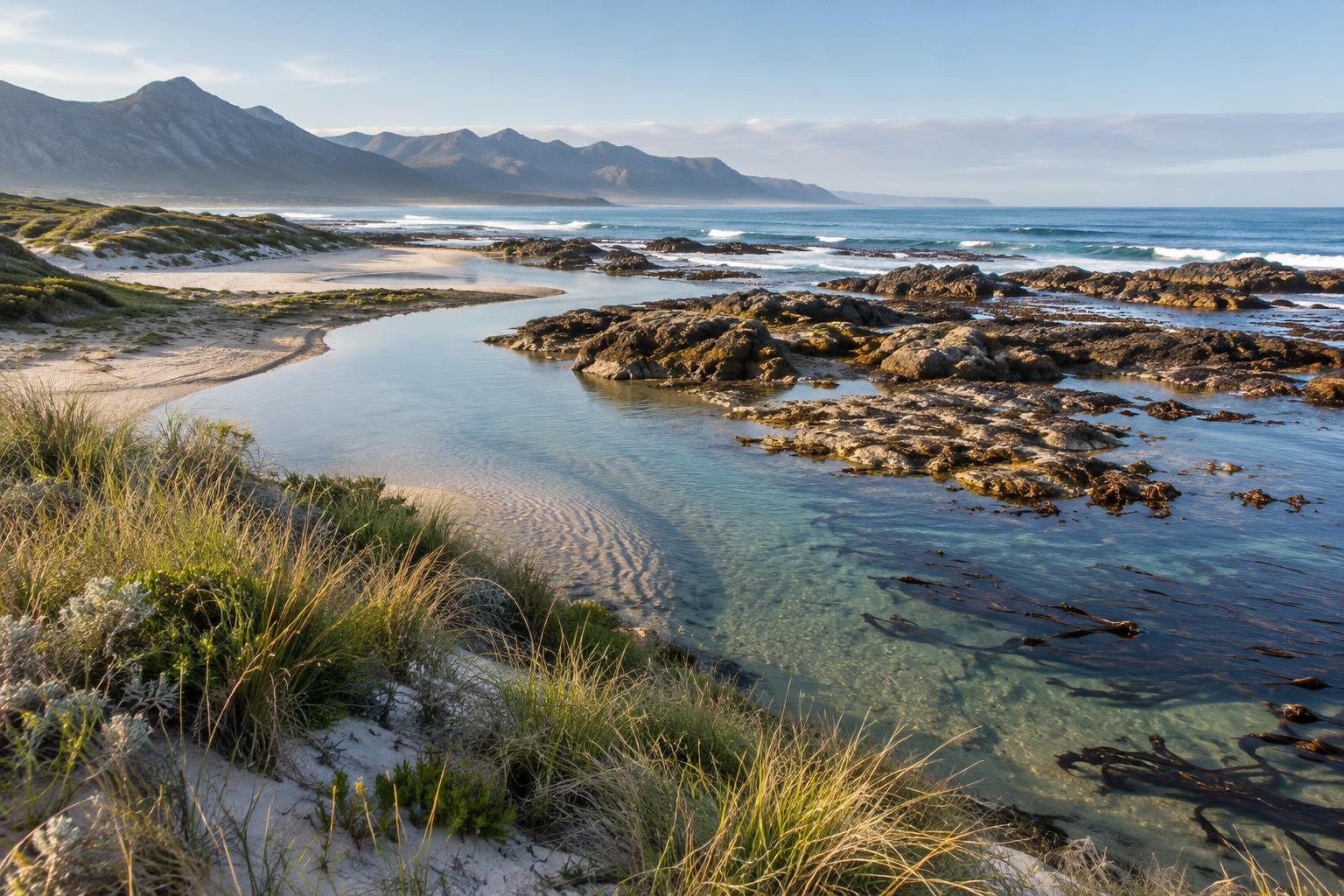
Coastal dunes form as wind carries dry sand inland. Plants help trap that sand with their stems and roots, gradually building and holding the dune in place. The result is more than a scenic backdrop: dunes provide habitat and can help shelter areas behind the beach from wind and shifting sand.
Look for changes in the plants as you move away from the water. Near the seaward edge, vegetation may be low and scattered where salt spray and moving sand make growth difficult. Farther back, more sheltered spots can support denser plant cover. Small tracks may hint at animals using the dunes, even when the animals themselves stay out of sight.
Dune plants are easy to damage by repeated footsteps. Use established paths and access points instead of cutting across a vegetated slope. Keeping a respectful distance also gives nesting or resting birds space, particularly where a quiet patch of sand might otherwise look like an inviting shortcut.
Estuaries: where fresh and salt water meet
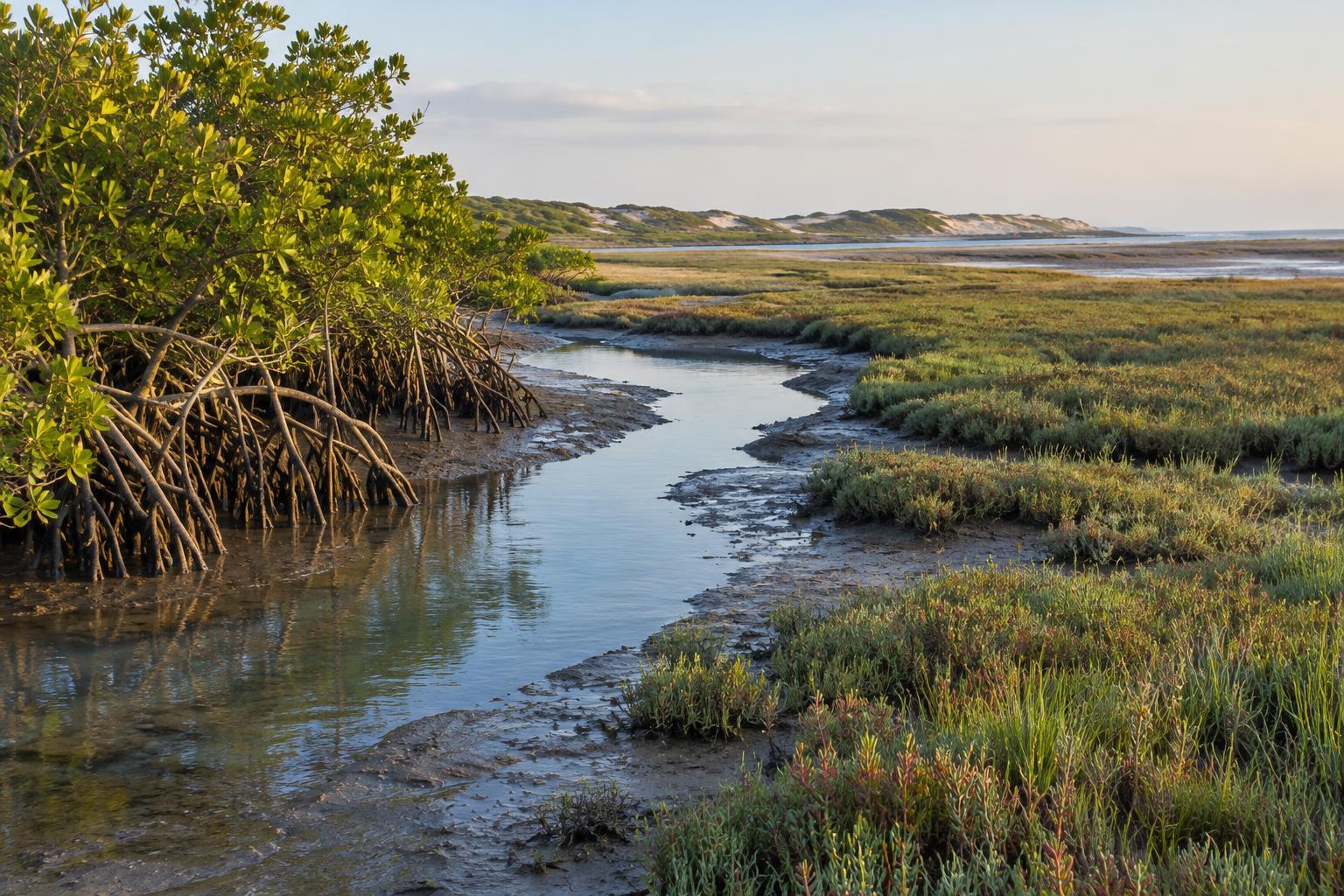
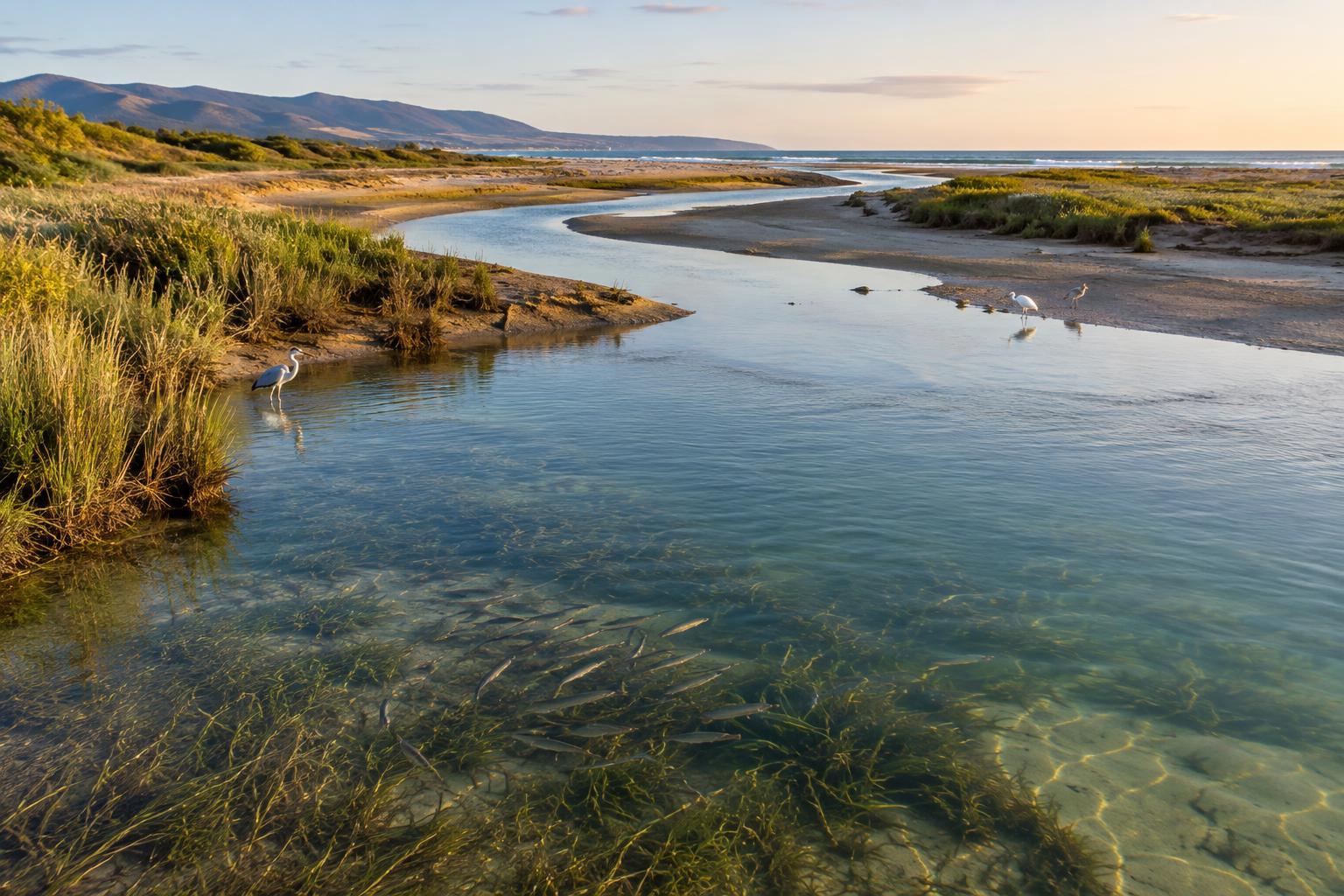
An estuary is a meeting place between a river and the sea. Its water can change with rainfall, river flow, tides and the state of its mouth. Some estuary mouths may close for a time behind a sandbar, so an estuary can look quite different from one visit to the next.
Shallow water, muddy banks, reeds and exposed sand can offer feeding and shelter opportunities for fish, crabs and birds. Pause at a viewing point and watch for patterns rather than trying to identify everything at once. Are birds searching the water’s edge or resting farther back? Is the water flowing toward the sea, or does it appear still? These small observations help explain why wildlife gathers in particular places.
Estuary banks can be soft, and the water is not necessarily safe for swimming or wading. Observe from firm ground, avoid disturbing birds, and follow local signs about access and water use. If you plan an outing around a particular estuary, check its current conditions and access arrangements before you go.
Rocky shores: life between the tides
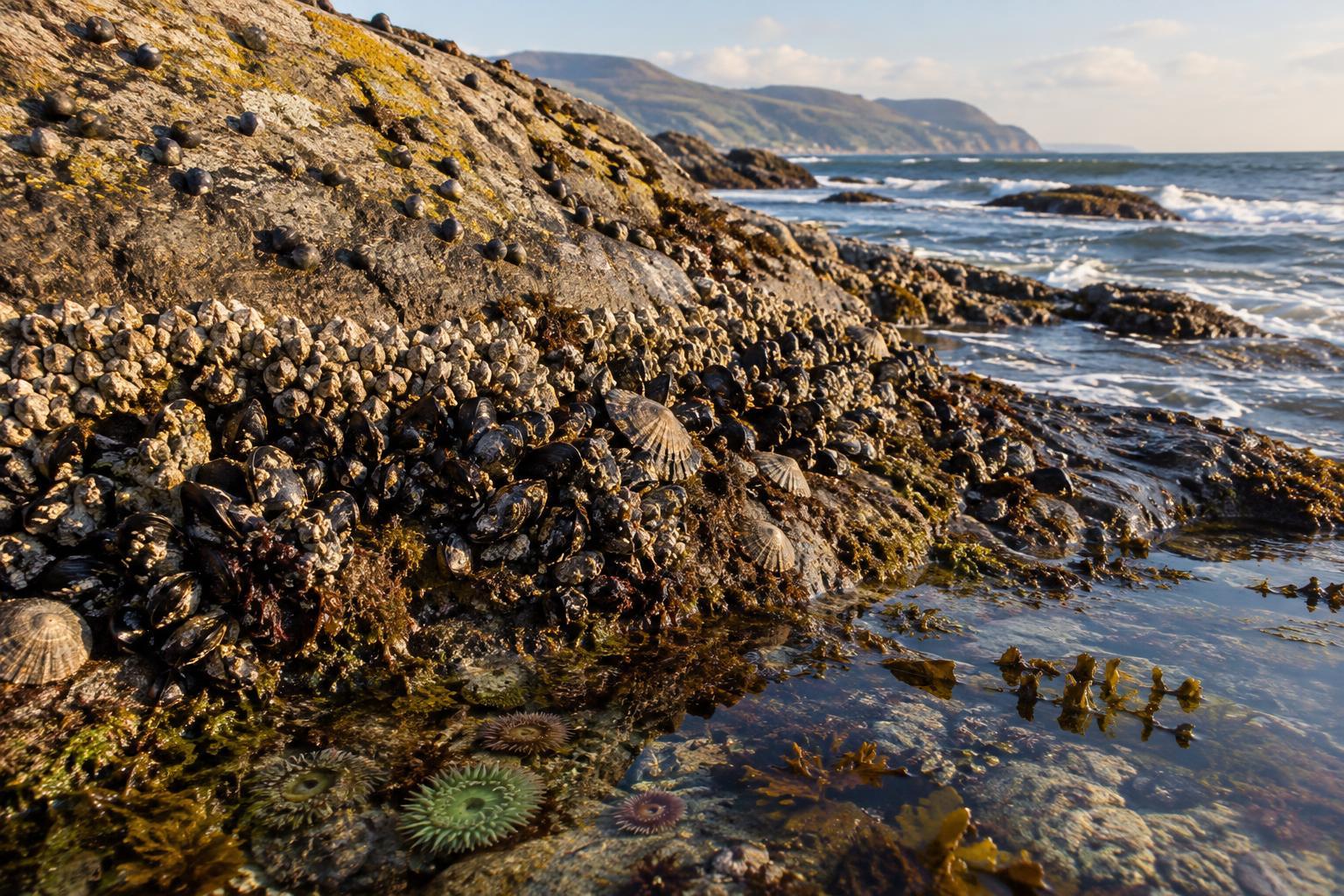
Rocky shores change dramatically as the tide rises and falls. At low tide, pools and damp crevices may reveal limpets, small crabs, sea anemones and seaweed. Higher up the shore, living things must cope with longer periods exposed to sun and air. Lower down, they spend more time underwater but face stronger wave action.
The best approach is to look closely without rearranging the scene. Watch how a limpet clings to rock or how an anemone sits in a pool. Leave animals, shells and stones where you find them; even a small rock may provide shelter underneath. Wet rock and seaweed can be slippery, while waves can reach farther than expected, so stay well back from exposed edges and keep track of the incoming tide.
Kelp forests: a habitat beneath the surface
Kelp is large seaweed that grows attached to the seabed, with long fronds moving in the water above. In suitable cool, nutrient-rich waters, especially along parts of South Africa’s western and southwestern coast, kelp can form dense underwater habitat. Its surfaces and sheltered spaces support a variety of marine life.
You may encounter kelp without entering the water: washed-up fronds on a beach, or patches visible through clear, calm water, can prompt a closer look. Washed-up material is part of the shore’s natural cycle, though its presence alone does not tell you what the underwater habitat looks like that day. Snorkelling or diving brings additional risks from cold water, waves and currents; choose a suitable location and go with people who know the conditions rather than treating a kelp bed as an ordinary swimming spot.
Across all four habitats, the most useful beginner’s habit is simple: pause before stepping closer. Notice what the wind, water and tide are doing, look for signs of life, and leave the place as you found it. That slower pace often makes a coastal visit more memorable.