Start with the group, not the destination
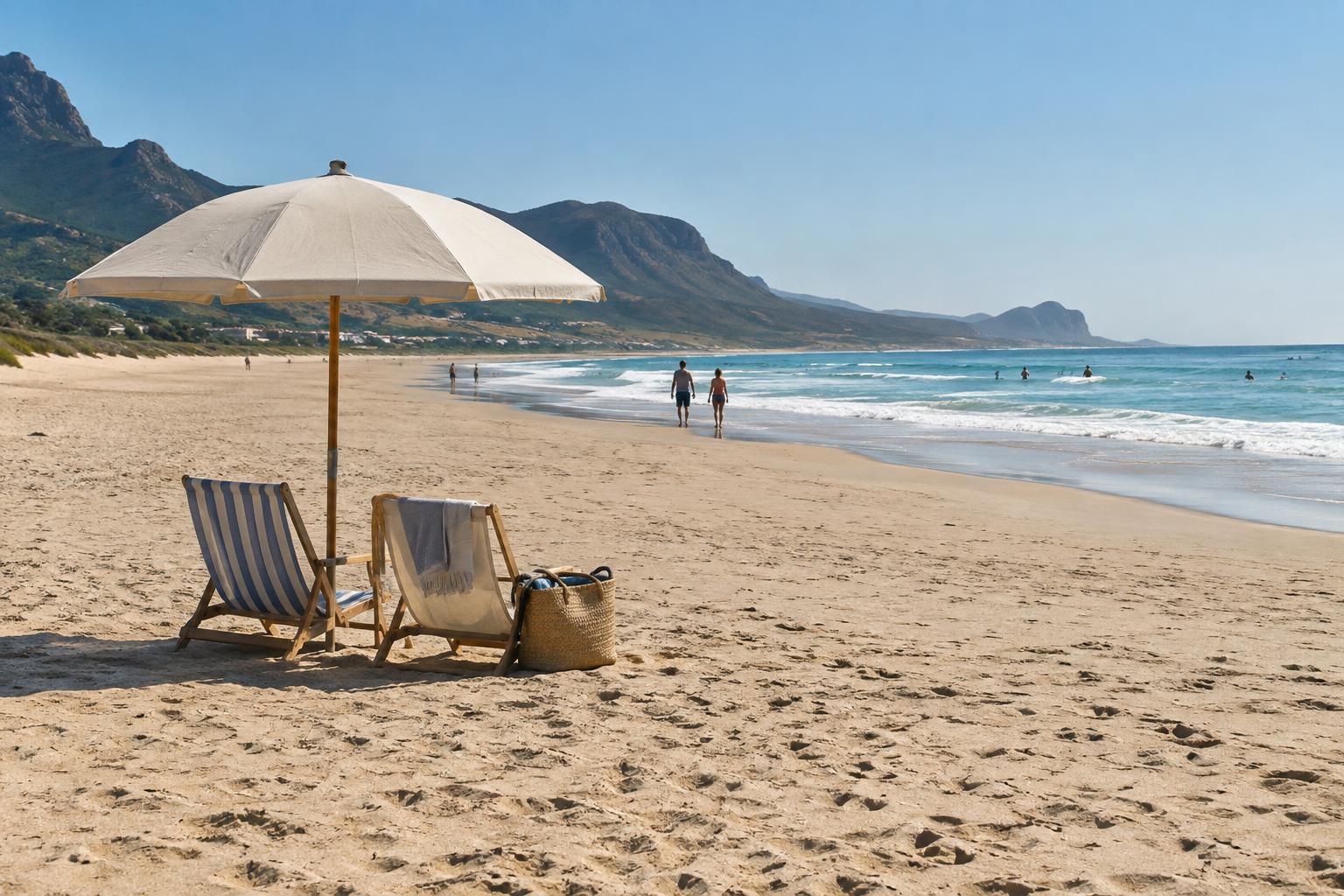
A beach that looks perfect in photographs may not work equally well for everyone travelling together. Before choosing a South African coastal town for a day trip, ask what each person wants from the outing. One might hope for a swim, another for a long lunch, and someone else for a short walk with a sea view. Ask about practical needs, too: comfortable walking distance, shade, toilets, food options and the time everyone needs to be home.
Agree on one shared priority rather than trying to satisfy every wish throughout the day. A relaxed meal, a viewpoint or time on the sand can give the trip a centre. Other activities can remain optional. This makes it easier to compare destinations: the best choice is not necessarily the most famous town, but the one where your group can enjoy its priority without spending most of the day getting there.
Choose a compact area with alternatives nearby
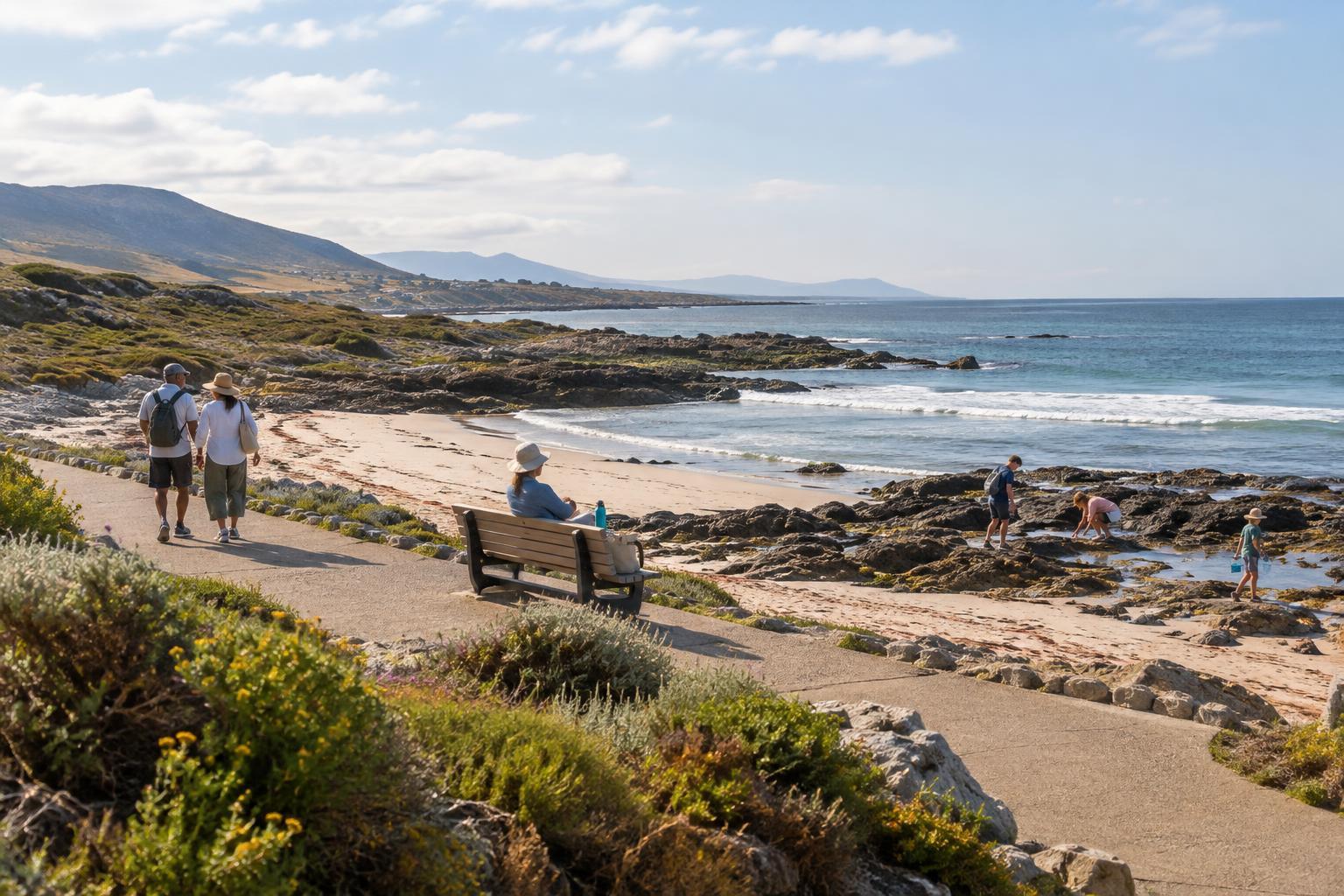
For a mixed group, a town with several possible activities close together is often easier than a remote beach reached by a long walk. Look for a practical starting point, such as a beachfront street or public parking area, and identify what people could do from there. Can someone sit with a view while others explore? Is there a shorter route for anyone who wants to turn back? If a beach visit is the main plan, consider what the group could do if the weather makes it uncomfortable.
Do not assume that a place described as accessible will suit every person. Surfaces, gradients, steps and the distance between parking, toilets and the waterfront all matter. Check current access details with the relevant venue or local authority when they are important to your plans. If your group is comparing ways to navigate public-facing services online, Accessible Services · Digital Region offers a separate place to browse accessible-services topics.
Give the day a loose shape
A useful day-trip plan has an arrival window, one anchor activity and a departure target. It does not need an hour-by-hour schedule. Allow time to find parking, orient yourselves and change course if a beach, path or café does not work for the group. Coastal conditions can also affect how pleasant an exposed spot feels, so keep a sheltered or indoor alternative in mind.
For example, the group might meet for a late-morning walk or beach visit, pause for lunch, then decide whether to stay for another activity. People with less time or energy can leave after lunch without missing the main purpose of the trip. Agreeing on a meeting point and check-in time lets smaller groups split up without turning every decision into a negotiation.
Make spending and booking choices clear
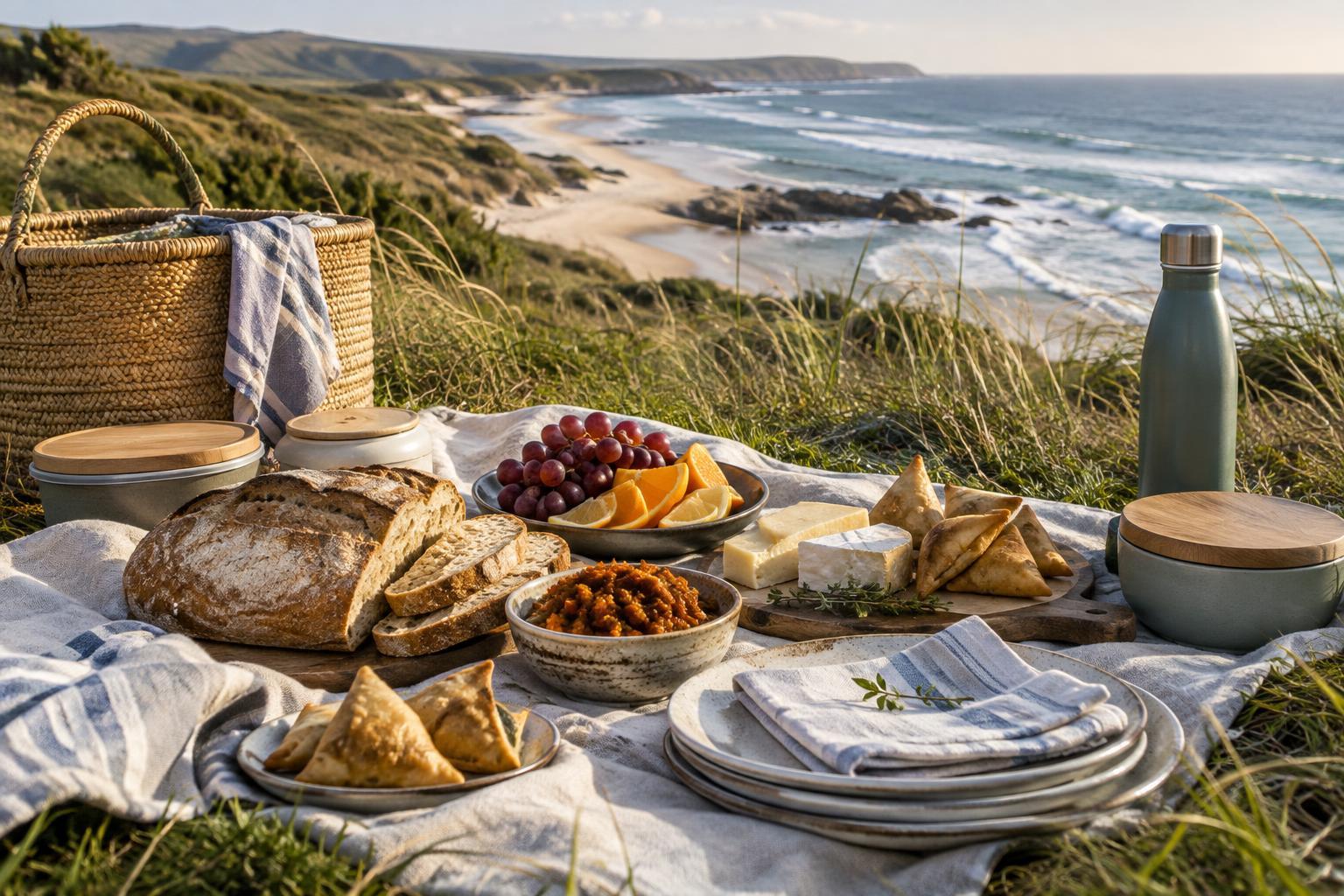
Different budgets can cause more friction than different interests. Before departure, say which parts of the day are free, which have a likely cost and which are entirely optional. If you plan to eat out, choose an area with more than one food option or agree that bringing a picnic is fine. Factor in transport, parking and any activity fees rather than treating lunch as the only expense.
Keep bookings to a minimum unless they solve a real problem, such as securing a table for a large group. If someone is organising reservations or sharing trip details online, agree on who needs the information and avoid circulating personal details more widely than necessary. For general browsing on digital privacy habits, Privacy and Security · Digital Region is an optional next stop; it is not a substitute for checking a venue’s own booking process.
Check the details, then leave room to enjoy the place
Shortly before the trip, confirm the details that could change your decision: access arrangements, opening hours, parking, any planned activity and the weather outlook. If swimming is part of the plan, check local conditions and follow posted guidance on the day. Have a simple fallback, such as a different meeting spot or an earlier return, rather than a second full itinerary.
Once you arrive, let the group adjust the pace. A successful coastal day does not require everyone to do everything together. It needs a shared moment, clear practical arrangements and enough freedom for each person to enjoy the shoreline in their own way.