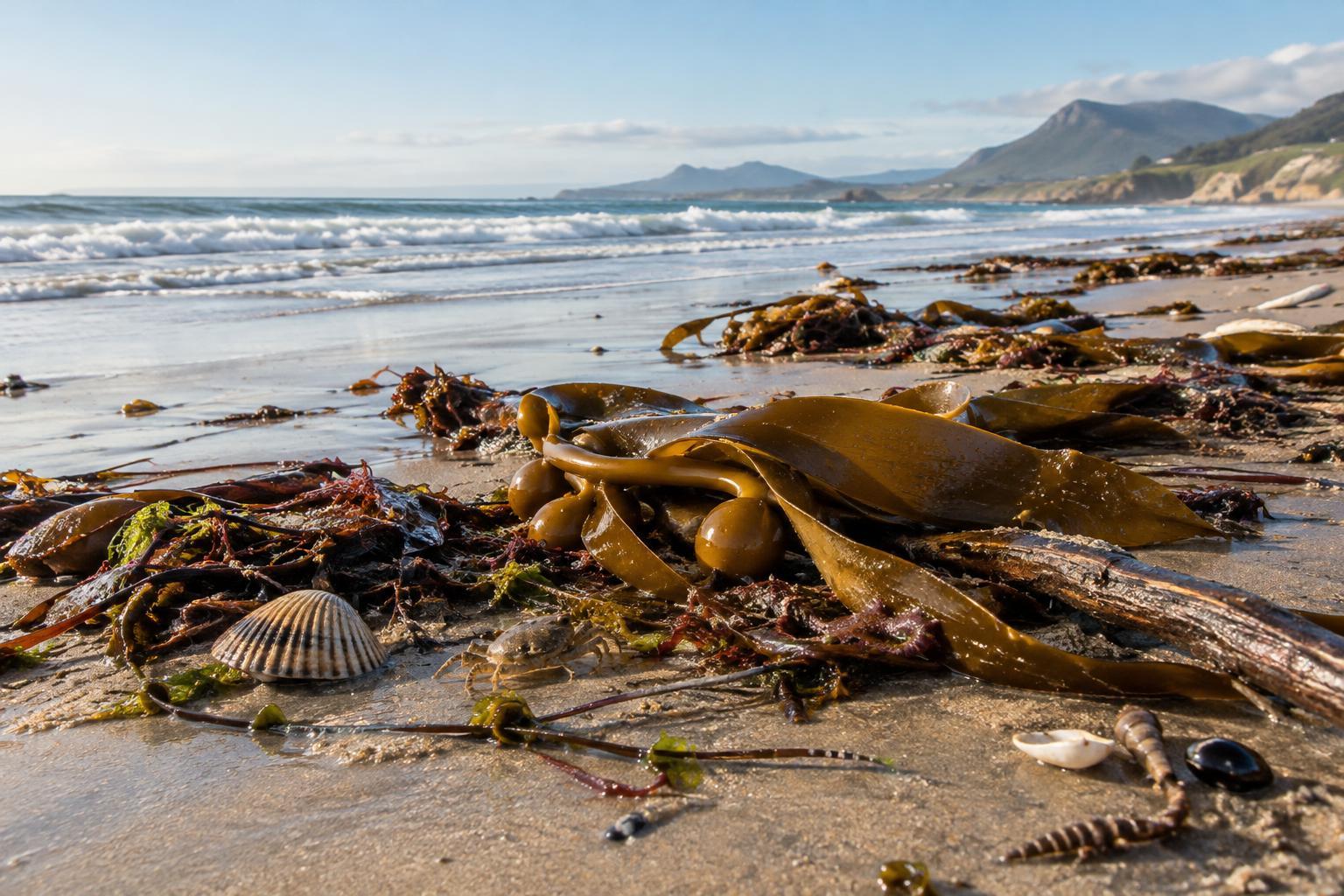
Nature and WildlifeA line of seaweed and other natural debris may look untidy, but it can feed small animals and offer clues about conditions offshore. Learn how to explore the strandline without disturbing the life it supports.
Read article · 3 min↗
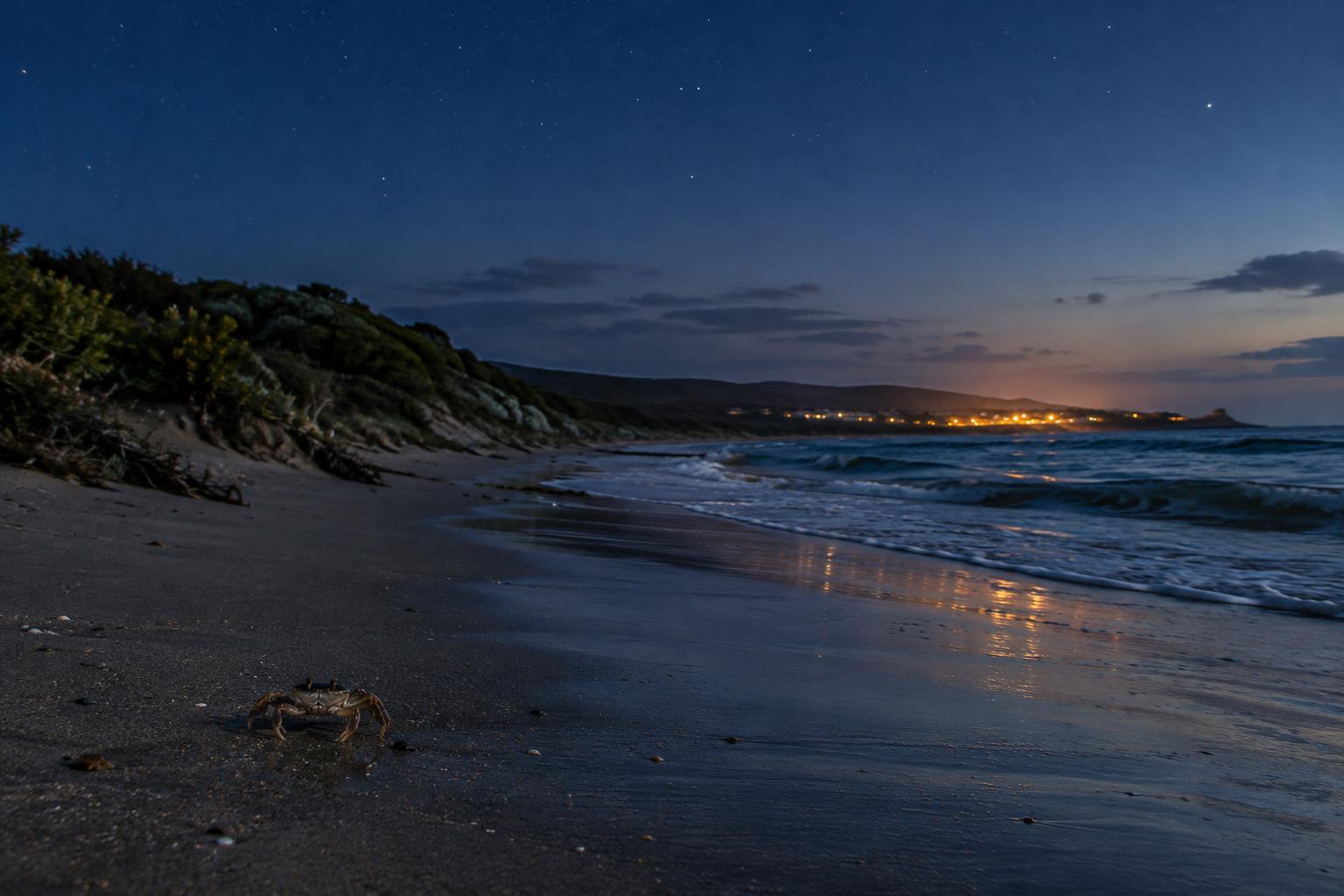
Nature and WildlifeA beach can seem quiet after sunset, but many animals are still active. Learn how artificial light can change coastal habitats and how to enjoy an evening by the sea with less disturbance.
Read article · 4 min↗
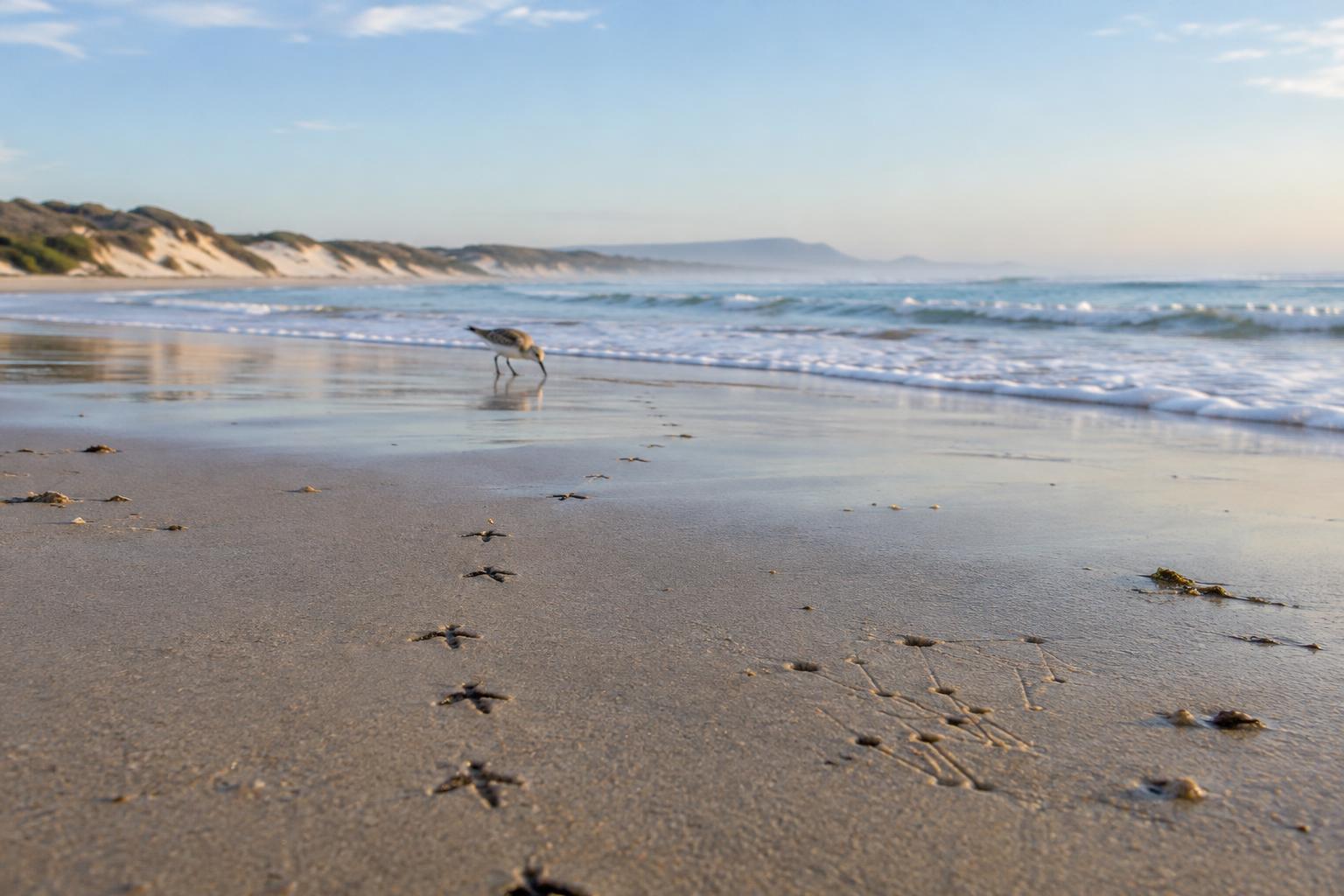
Nature and WildlifeA beach can hold clues to the animals that passed through before you. Learn how to notice tracks, feeding marks and other signs along South Africa’s shoreline without disturbing the wildlife or the habitats they use.
Read article · 4 min↗
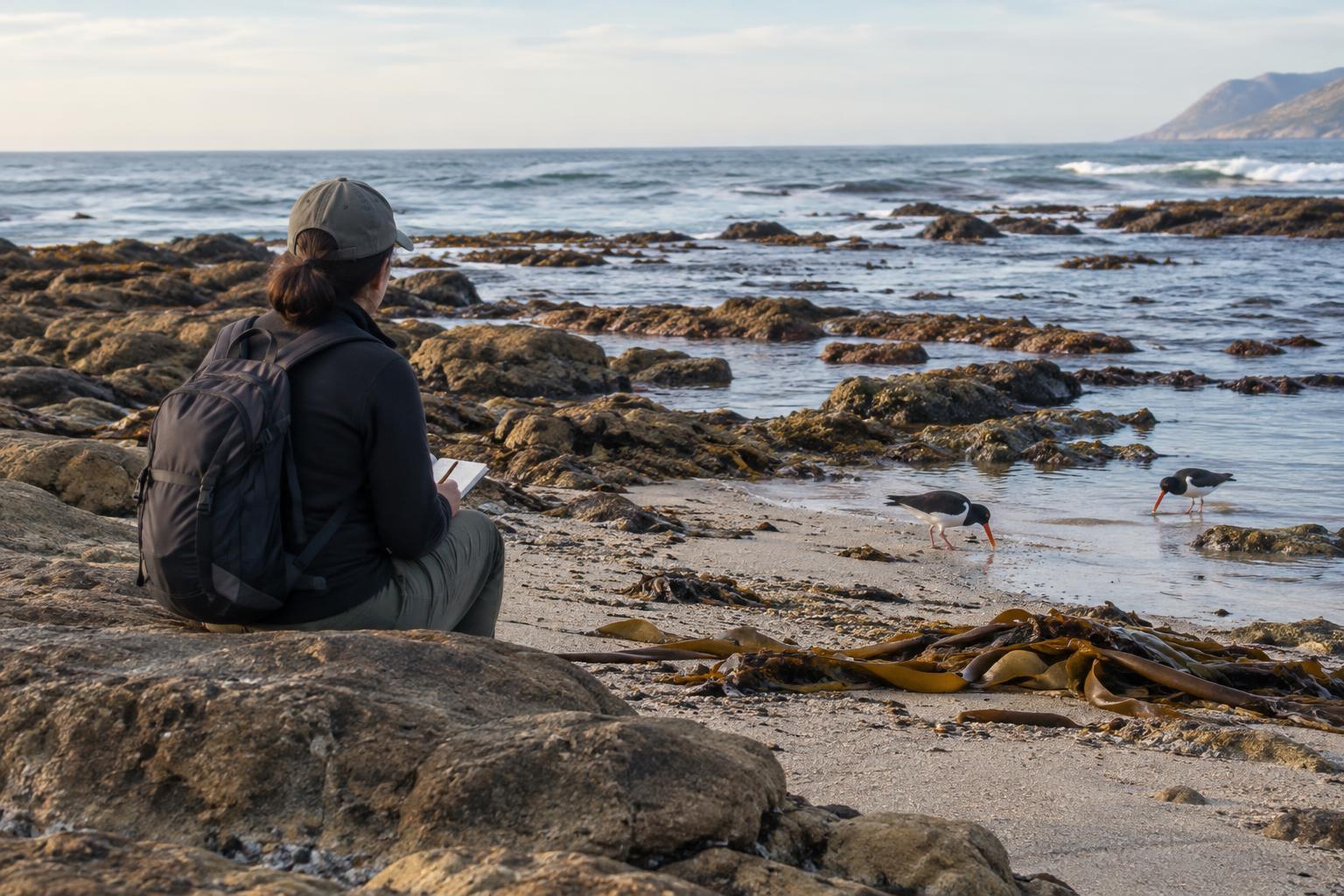
Nature and WildlifeA useful wildlife record needs more than a photograph. Learn how to note the time, location, habitat and behaviour of coastal animals while keeping your distance and protecting sensitive species.
Read article · 4 min↗
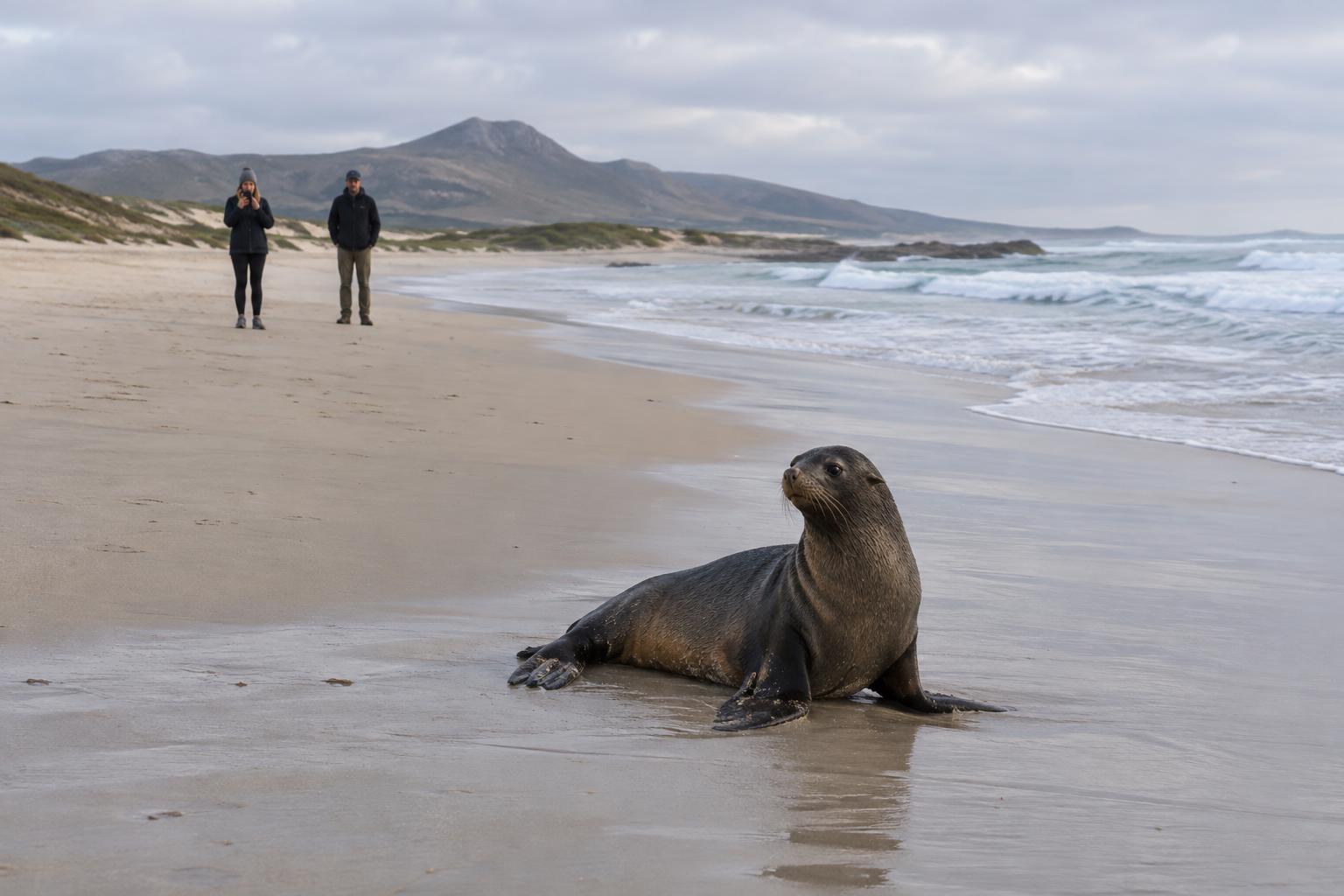
Nature and WildlifeA calm response can help protect both you and an animal in trouble. Learn how to keep a safe distance, report a stranding on South Africa’s coast and avoid well-meant actions that could make things worse.
Read article · 3 min↗
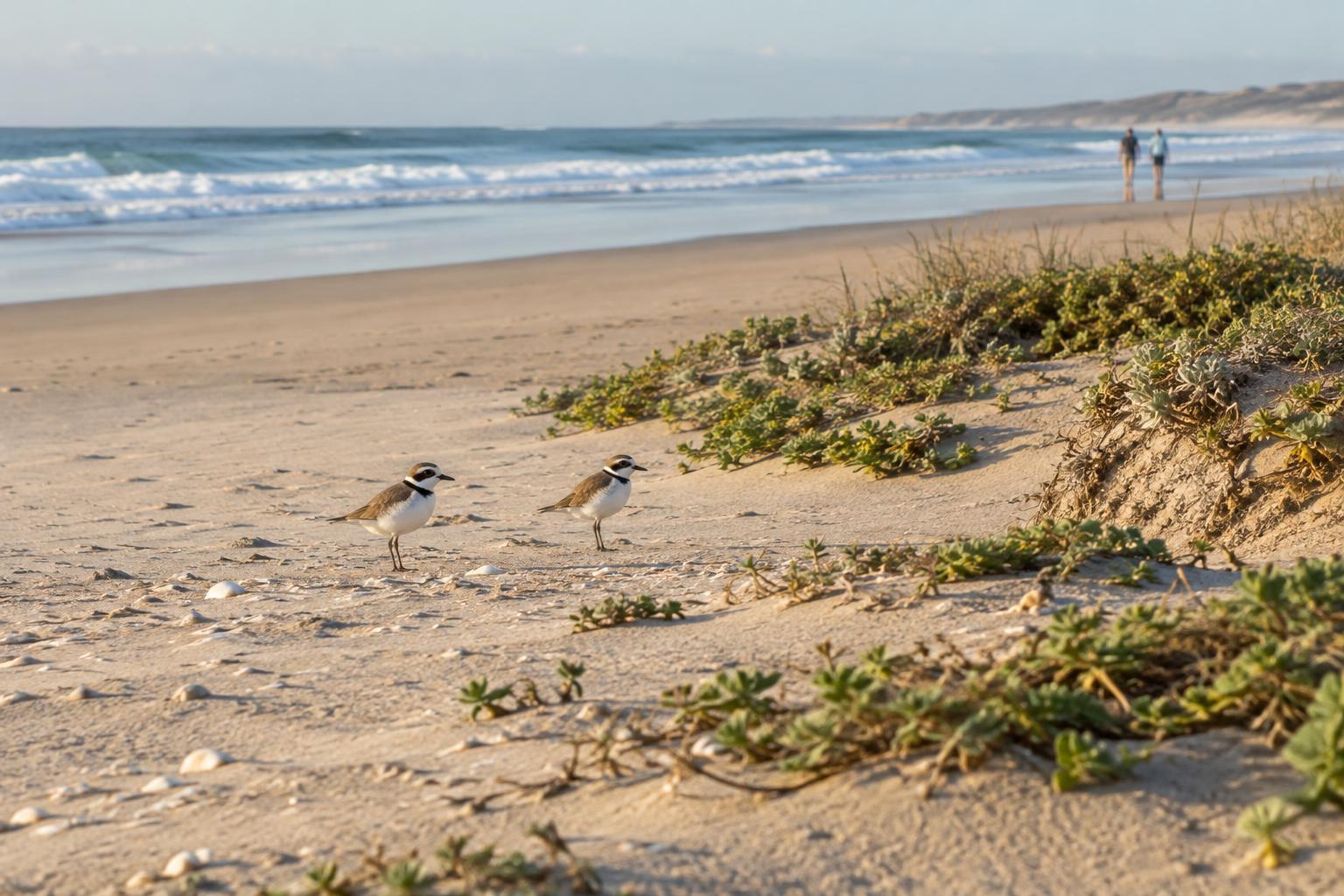
Nature and WildlifeShorebirds can nest in places that look like ordinary beach. Learn the signs of a possible nesting area, how to give birds space, and what to do if you find yourself close to a nest on South Africa’s coast.
Read article · 4 min↗
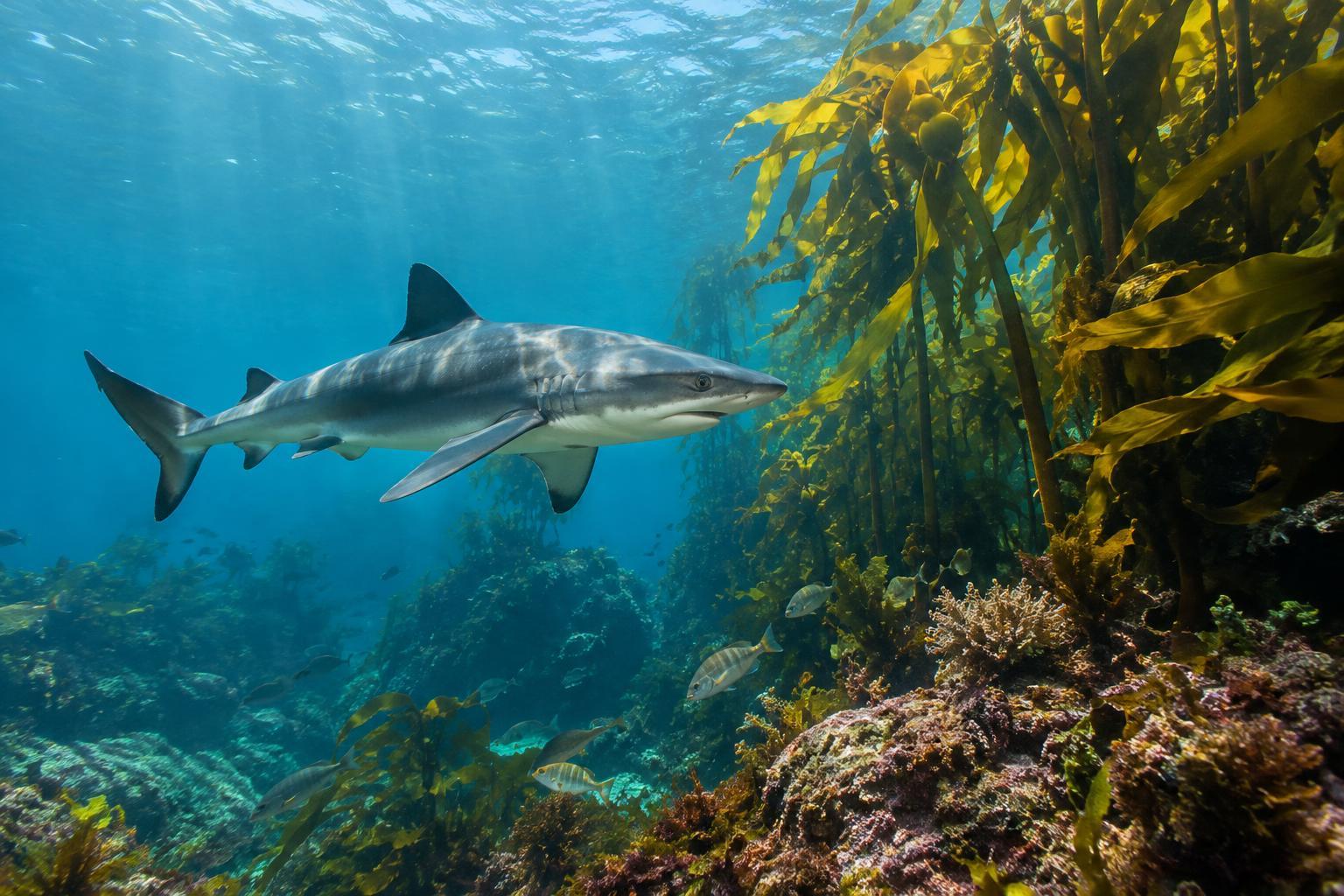
Nature and WildlifeSharks are part of the living networks that connect South Africa’s reefs, estuaries, kelp forests and open water. Understanding their varied roles offers a more useful picture than either fear or fascination alone.
Read article · 3 min↗
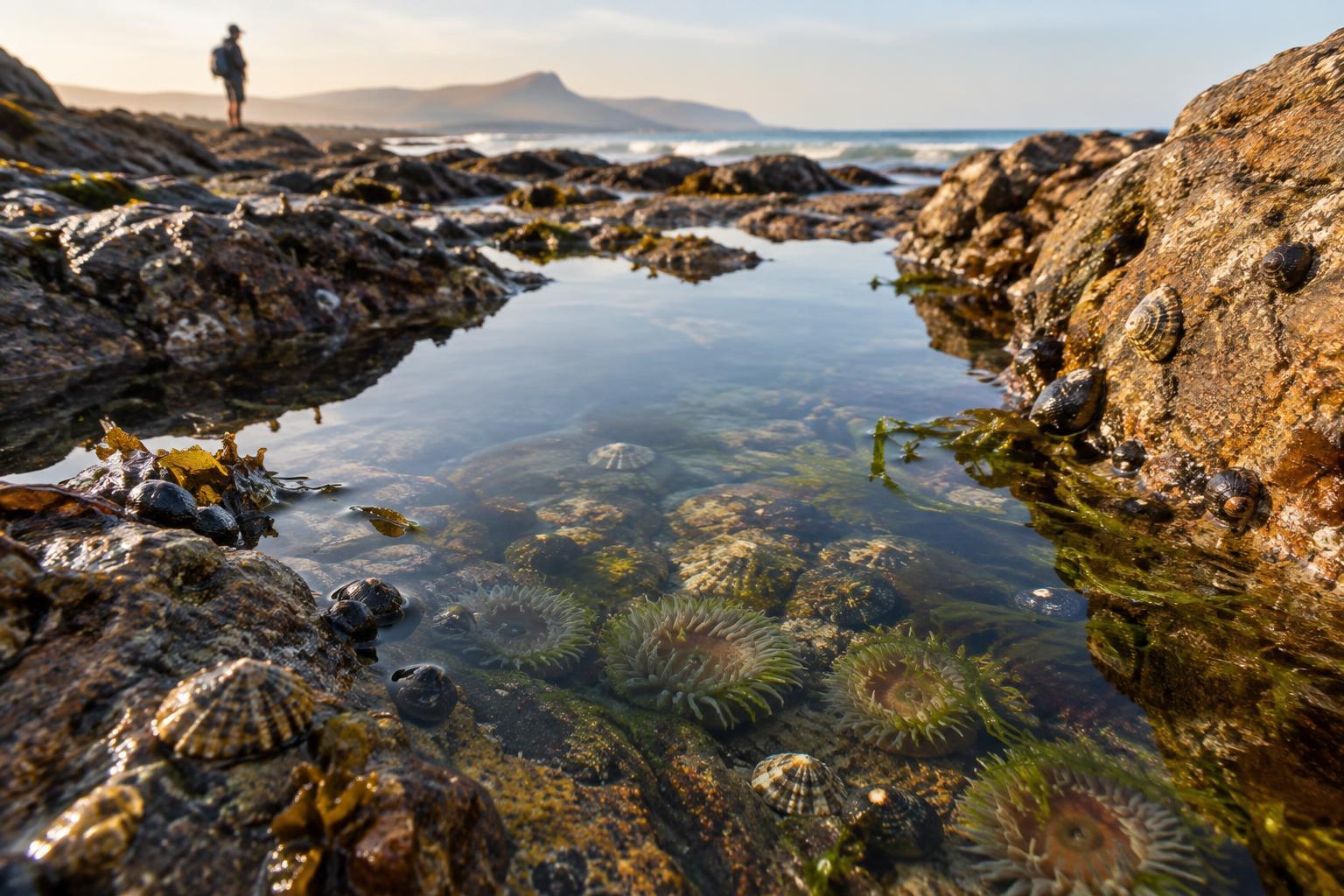
Nature and WildlifeRock pools offer a close look at life along South Africa’s shoreline. Learn how to plan a safer visit, watch animals without disturbing them, and leave each pool as you found it.
Read article · 3 min↗
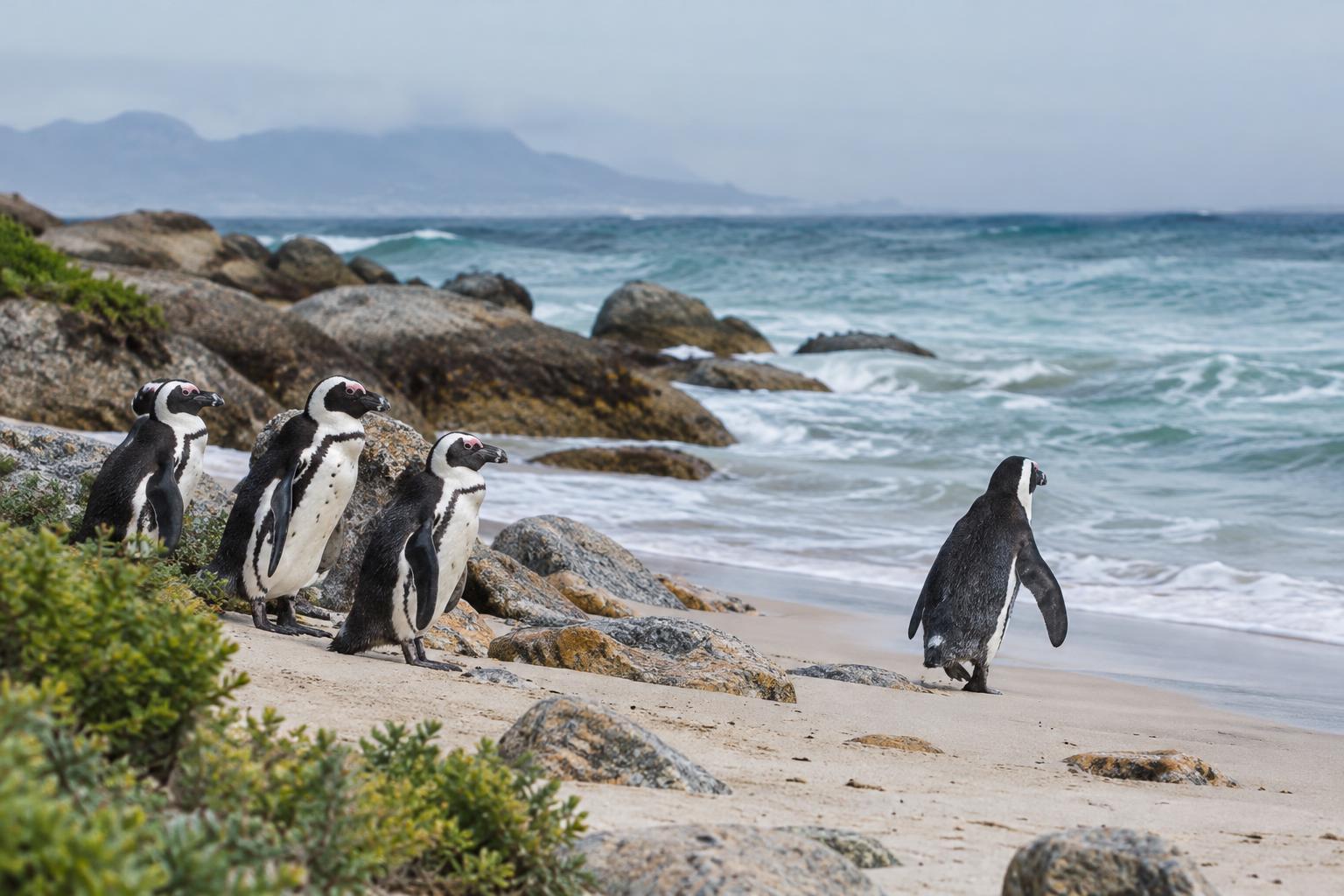
Nature and WildlifeAfrican penguins breed along the coasts of South Africa and Namibia, where life on land is closely tied to food at sea. Learn where to look for them, why colonies are vulnerable and how to visit without adding to the pressure.
Read article · 4 min↗
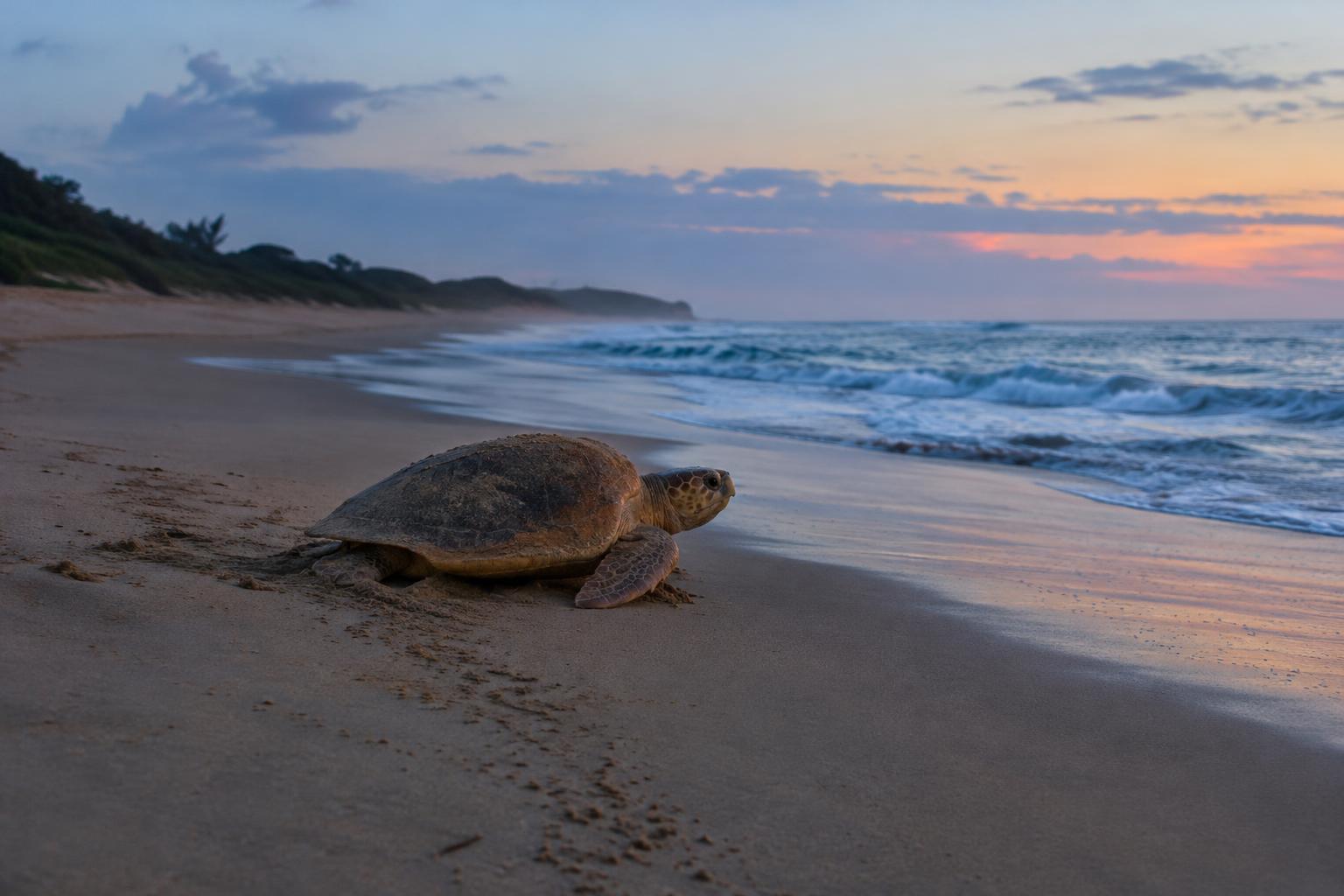
Nature and WildlifeLoggerhead and leatherback turtles nest on parts of KwaZulu-Natal’s coast. Learn what happens on the beach, why light and distance matter, and how to enjoy a guided visit without disturbing turtles or hatchlings.
Read article · 4 min↗
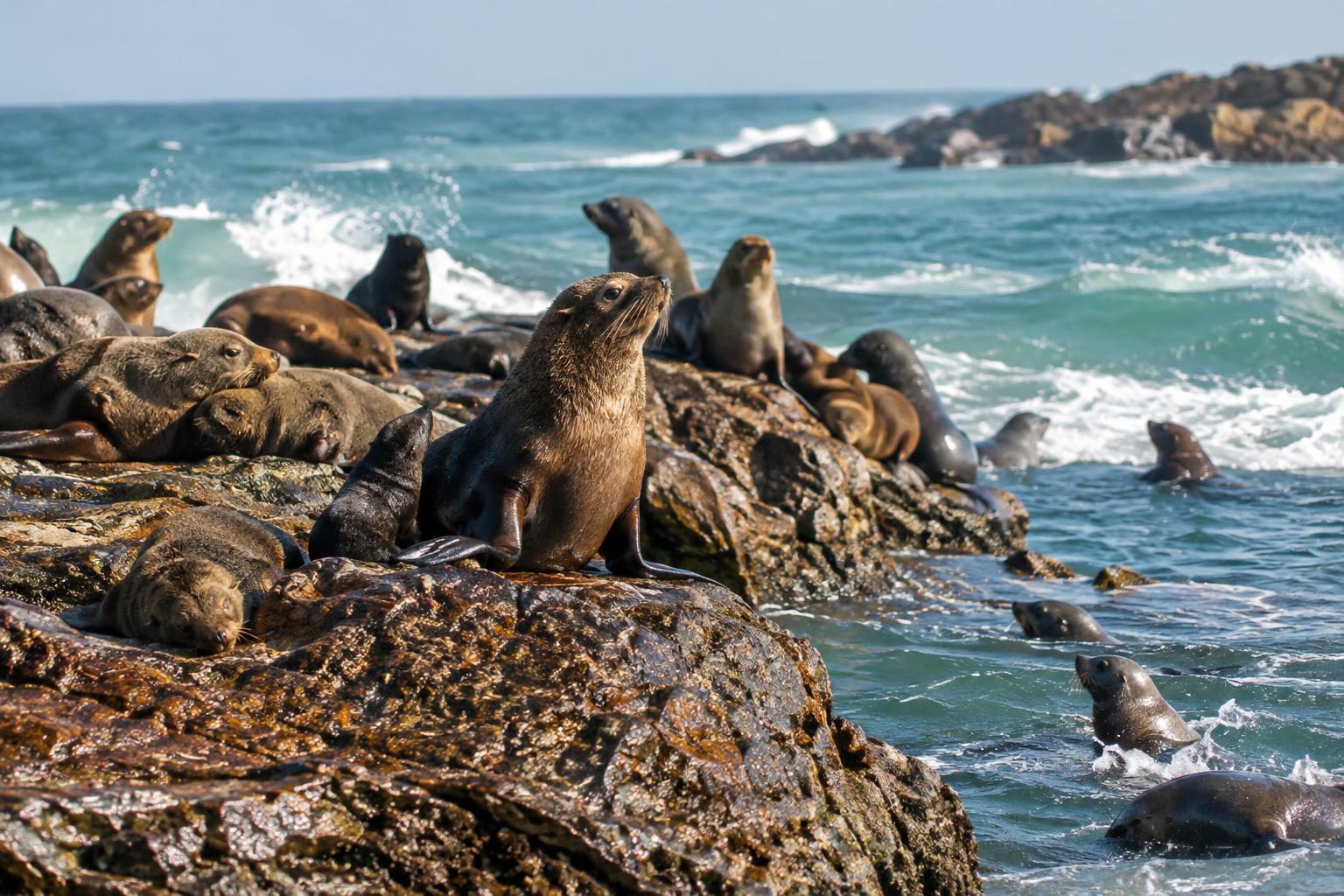
Nature and WildlifeCape fur seal colonies can be noisy, crowded and fascinating to watch. Learn how seals use these gathering places, what common behaviours may mean, and how to observe them without disturbing the animals.
Read article · 4 min↗
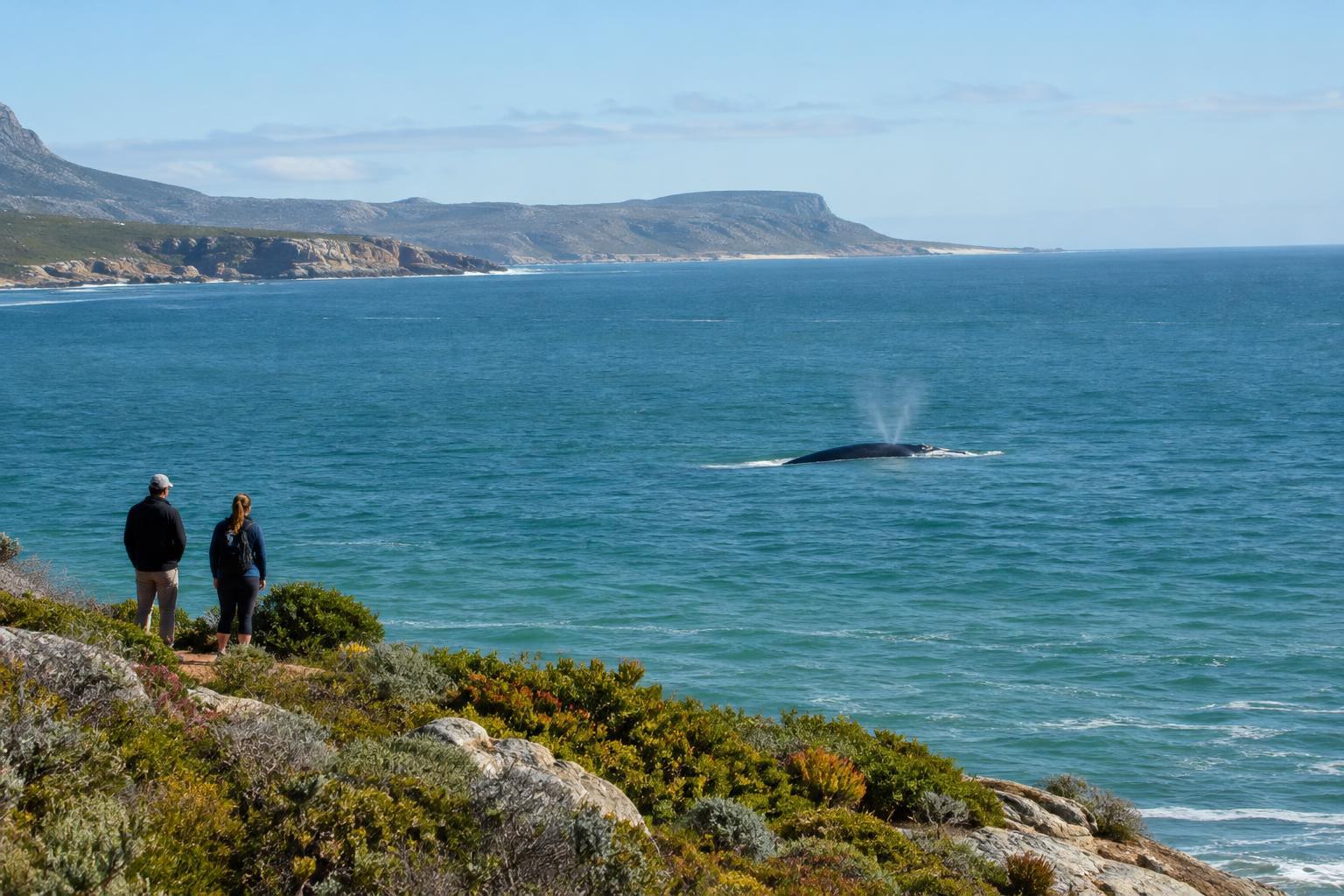
Nature and WildlifeYou do not need a boat to enjoy whale watching in South Africa. Learn which whales you might see, where to look from shore, how to recognise common behaviours and how to watch without disturbing them.
Read article · 4 min↗
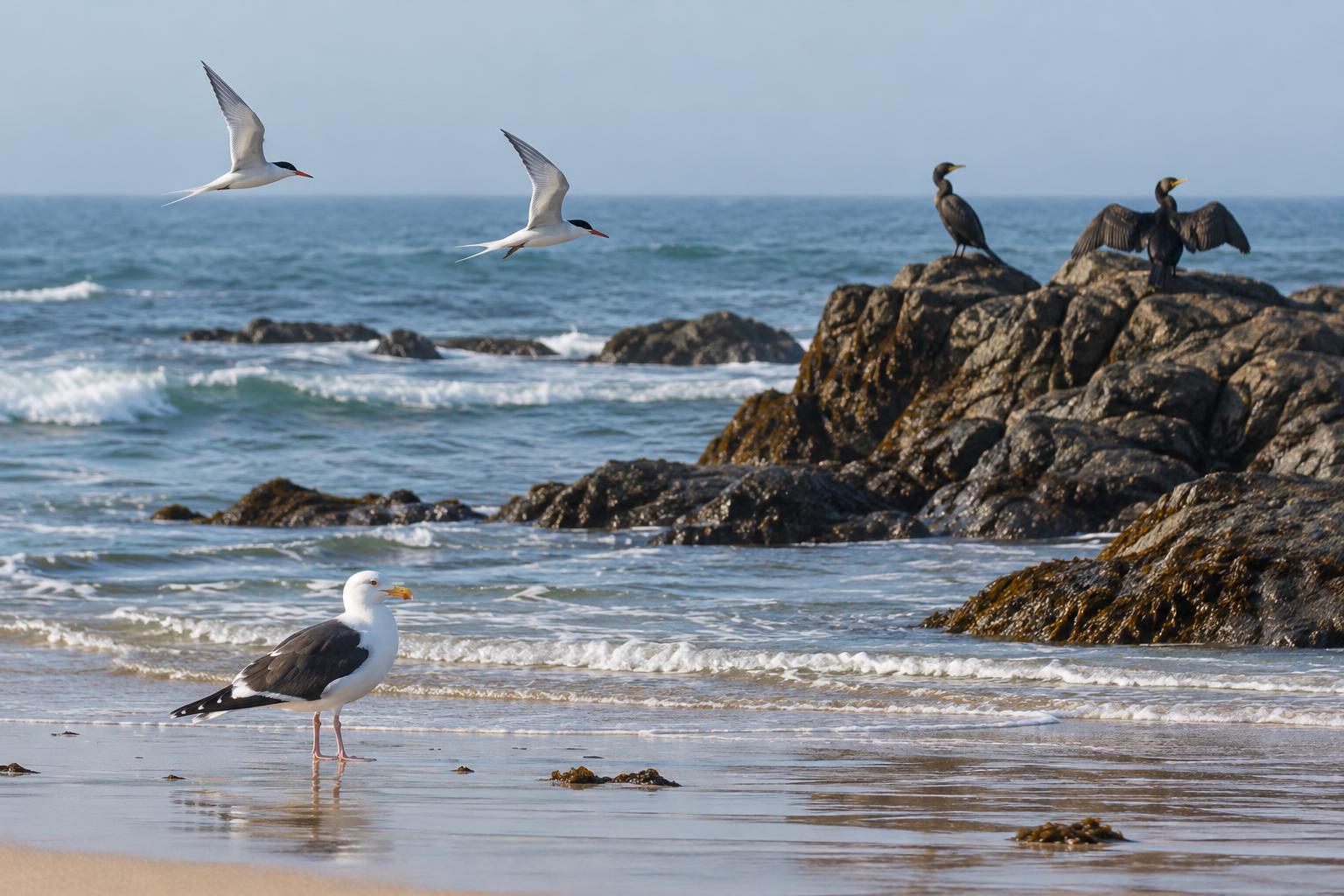
Nature and WildlifeSouth Africa’s shoreline offers plenty of chances to watch seabirds, even on a short beach walk. Learn to recognise the different shapes and habits of gulls, terns and cormorants, and observe them without disturbing their coastal habitat.
Read article · 4 min↗
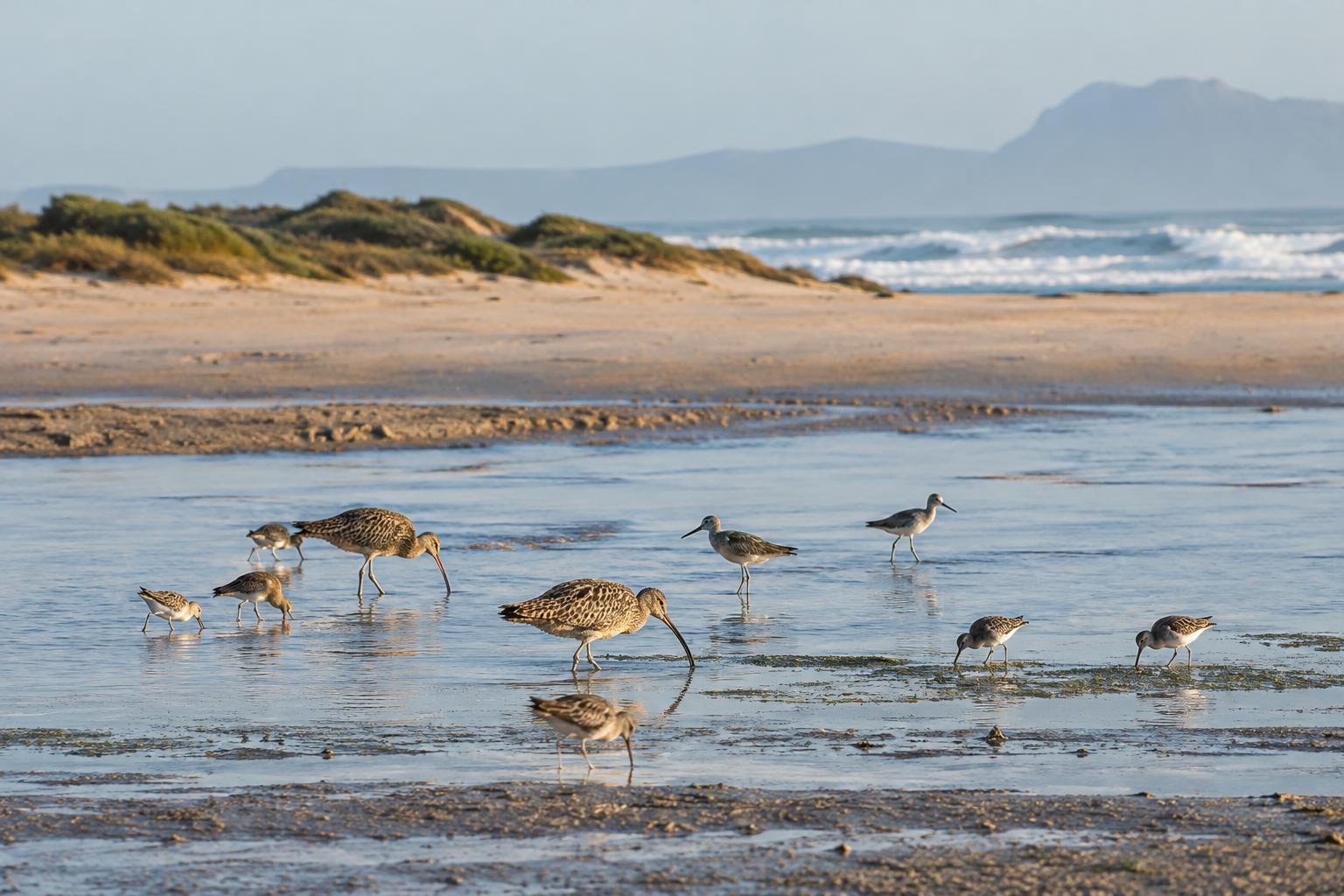
Nature and WildlifeSouth Africa’s beaches, estuaries and lagoons host a changing cast of shorebirds. Some arrive from the Northern Hemisphere for the southern summer, while others move shorter distances or stay year-round. Understanding breeding seasons, food and tides makes those patterns easier to notice.
Read article · 3 min↗
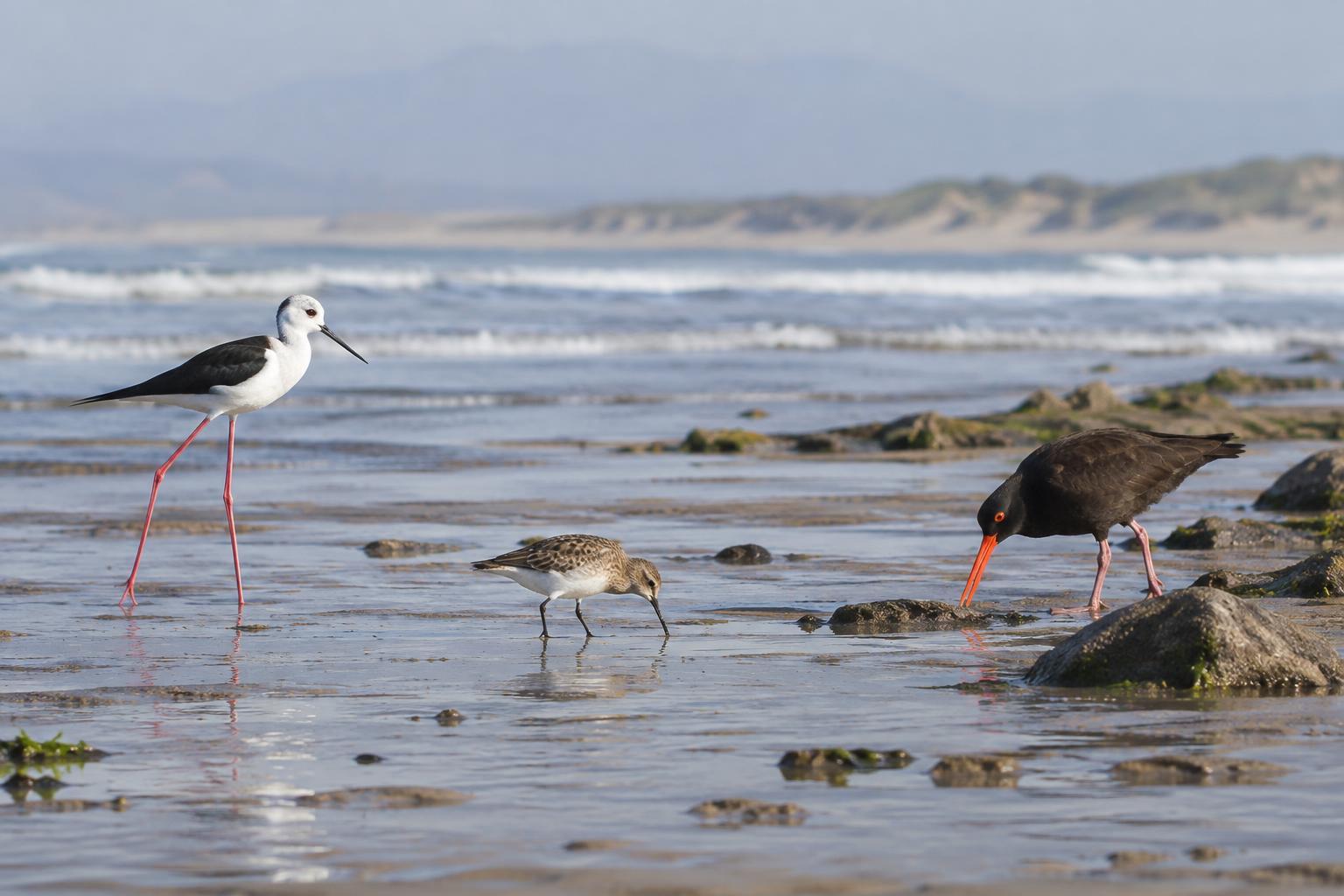
Nature and WildlifeA practical guide to recognising shorebirds on South Africa’s beaches, rocky shores and estuaries. Learn what bill shape, leg length and feeding behaviour can tell you, then put those clues together before settling on an identification.
Read article · 4 min↗
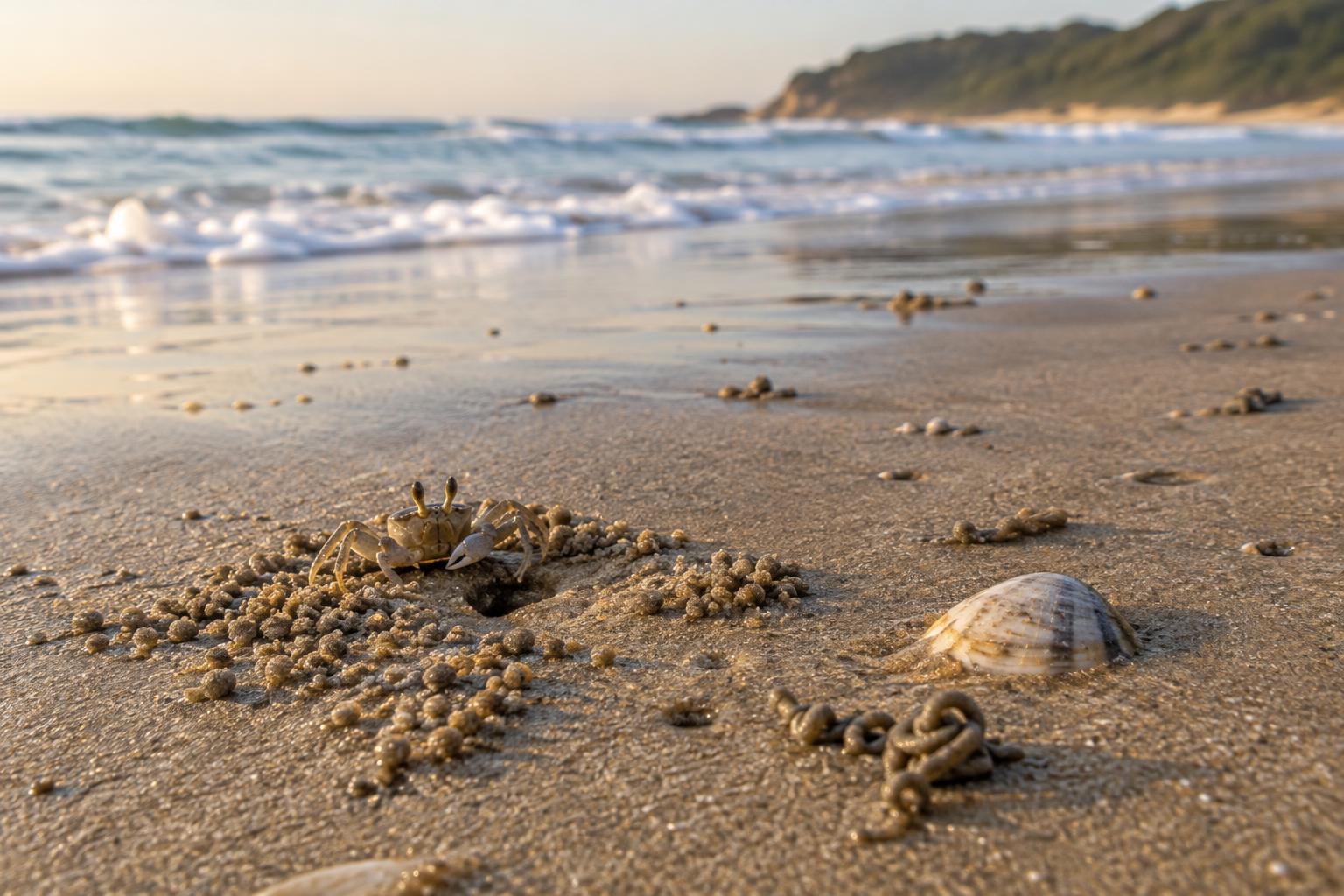
Nature and WildlifeA sandy beach can look empty at first glance. Look more closely and you may find signs of burrowing worms, shellfish, crustaceans and the small predators that hunt among them. Here is a guide to this shifting habitat along South Africa’s coast.
Read article · 4 min↗
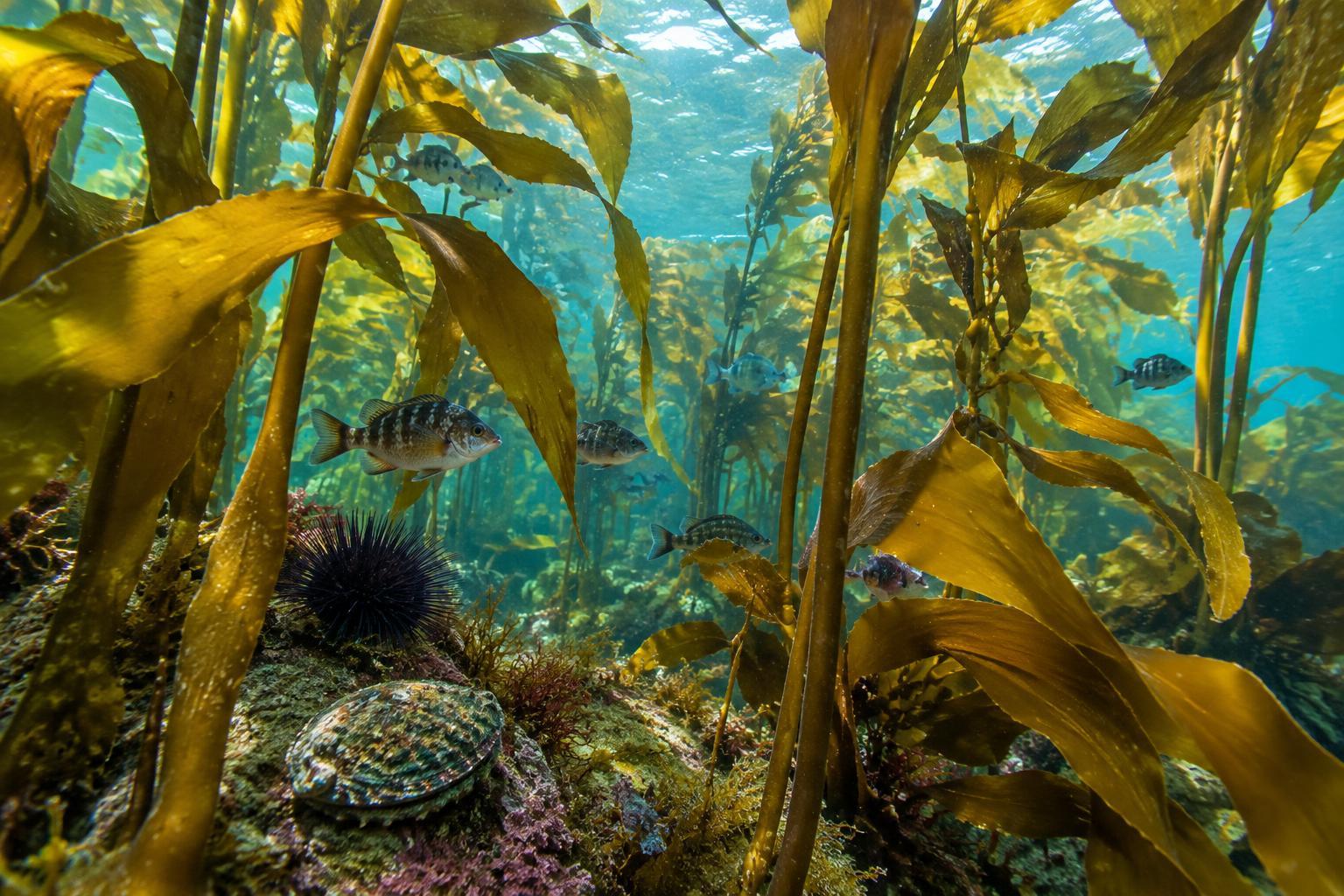
Nature and WildlifeBeneath the surface along parts of South Africa’s coast, kelp creates shelter for fish, invertebrates and other marine life. Here is a practical guide to what lives there, why these underwater forests matter and how to enjoy them responsibly.
Read article · 4 min↗
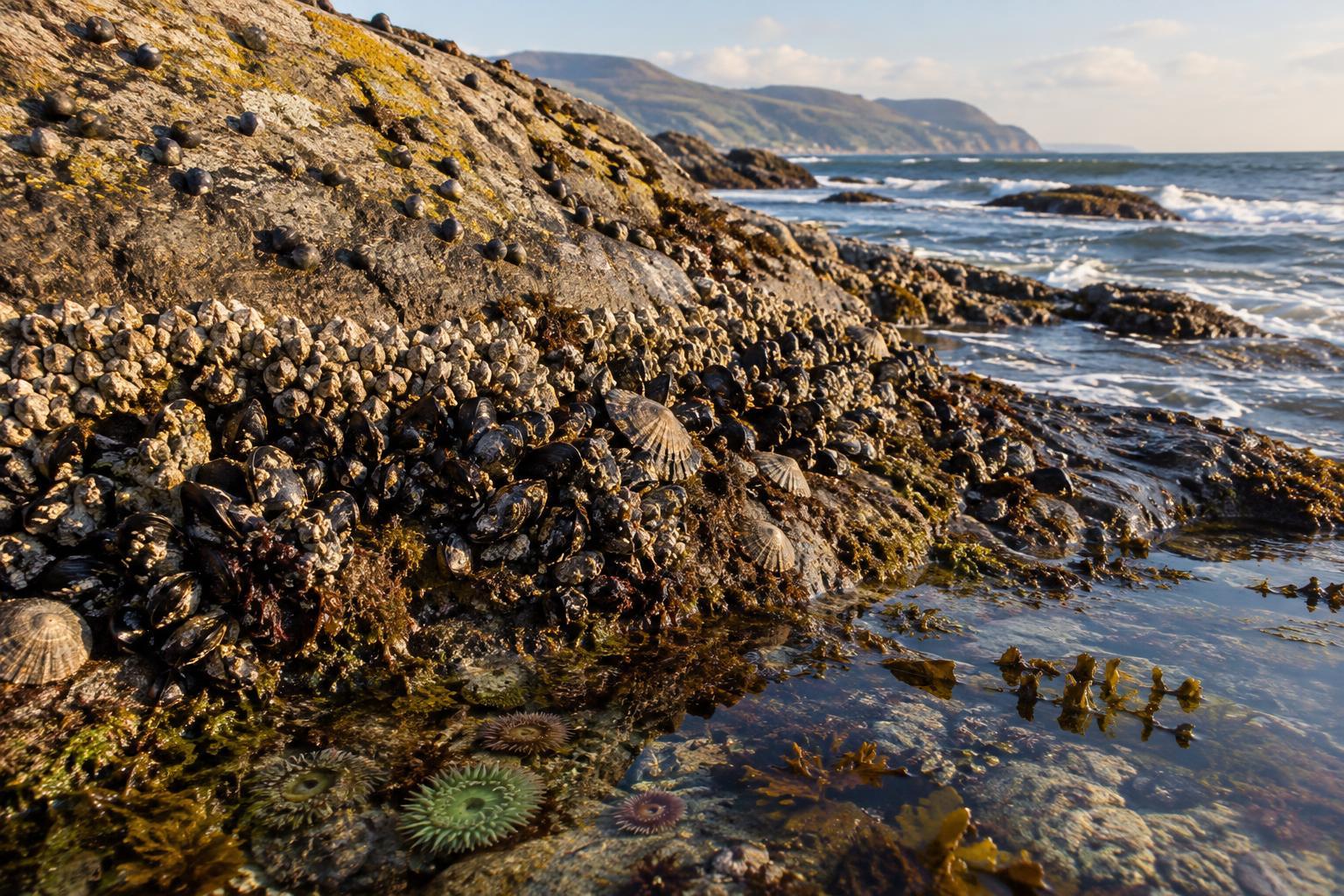
Nature and WildlifeA rocky shore can look like one habitat, but each tide creates a changing pattern of wet and dry places. Learn how time out of water, wave action, food and shelter help determine where shore animals live.
Read article · 4 min↗
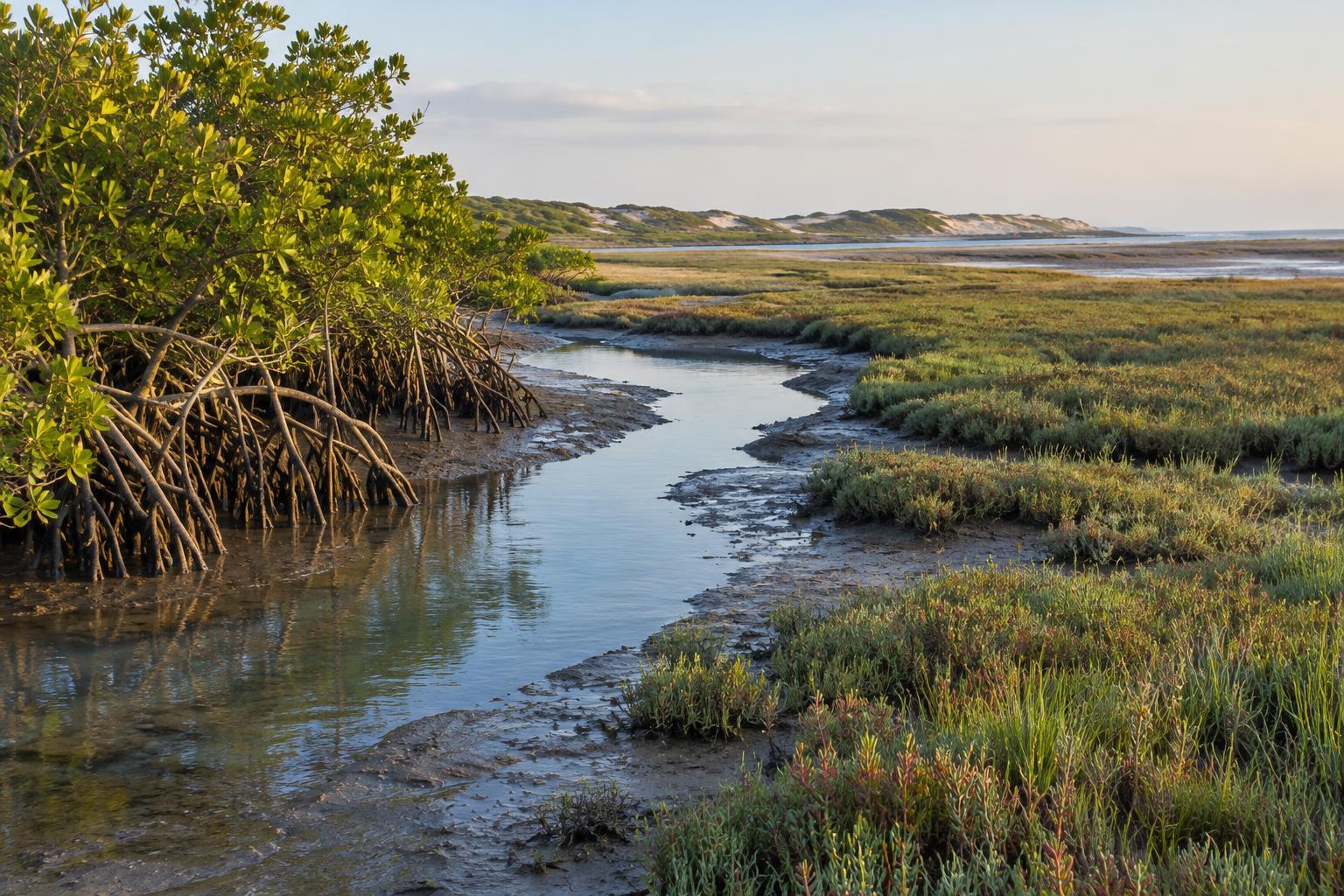
Nature and WildlifeMangroves and salt marshes both grow where coastal land meets tidal water, but they look and function differently. Learn how to recognise each habitat, why both matter to estuaries, and how to explore them without disturbing the wildlife or soft ground beneath your feet.
Read article · 3 min↗
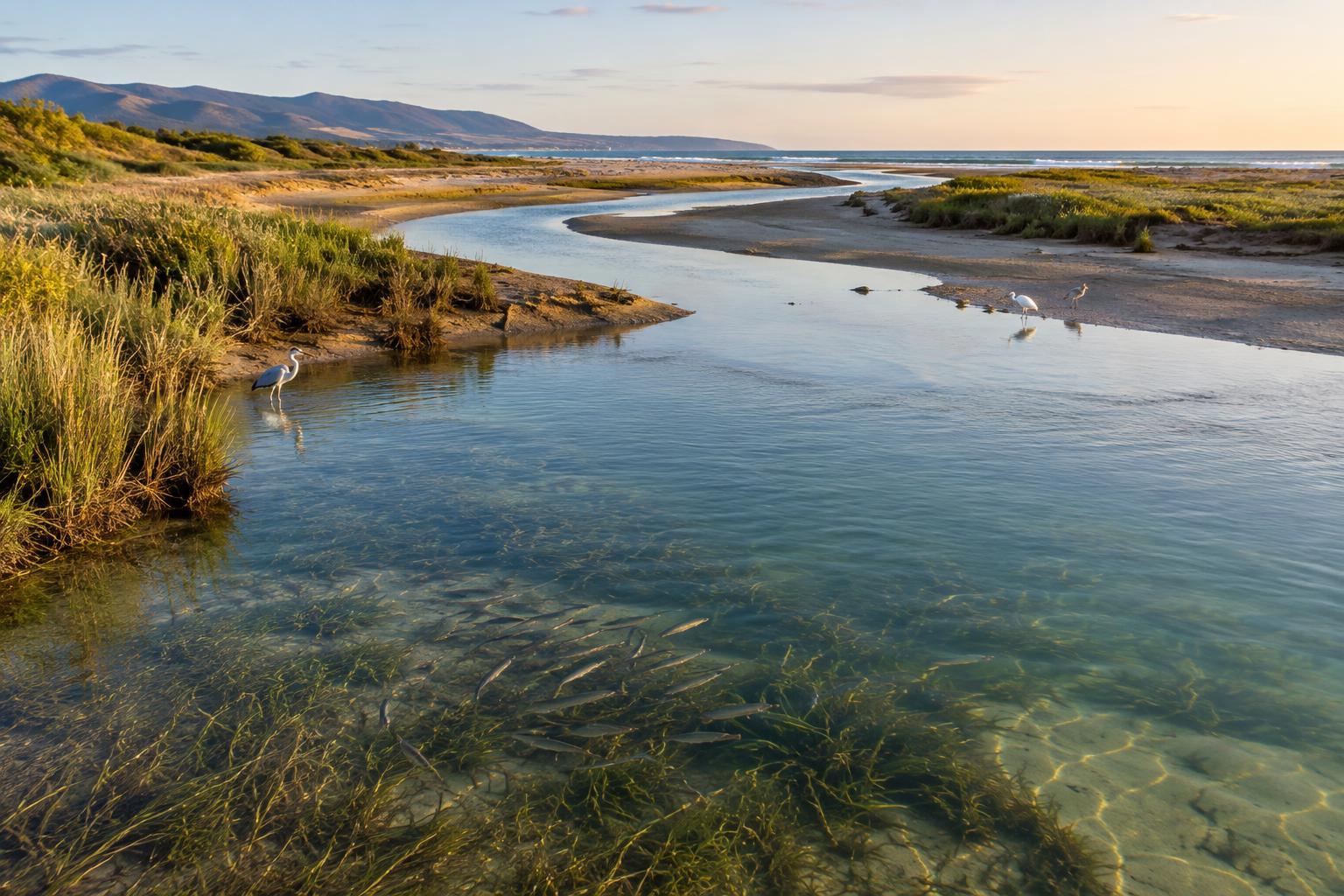
Nature and WildlifeWhere rivers meet the sea, changing tides, sheltered shallows and rich food supplies create valuable habitat for young fish and many other animals. Here is how estuaries work, why each one is different, and what to notice on a coastal visit.
Read article · 4 min↗
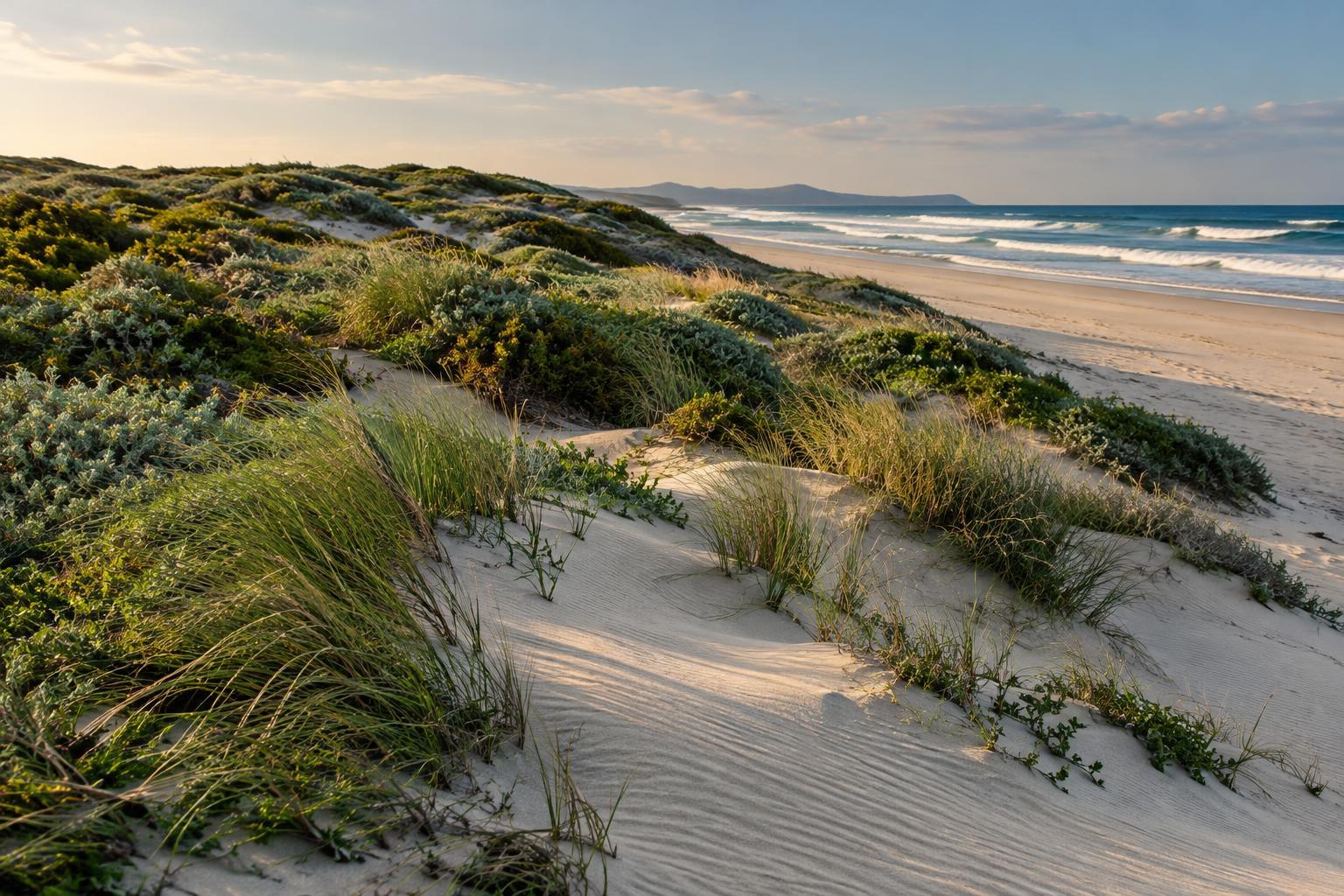
Nature and WildlifeCoastal dunes are more than piles of sand behind the beach. Wind, waves and hardy plants shape them over time, creating habitat and helping the shoreline respond to change. Here is a practical guide to reading and respecting dune landscapes along South Africa’s coast.
Read article · 4 min↗
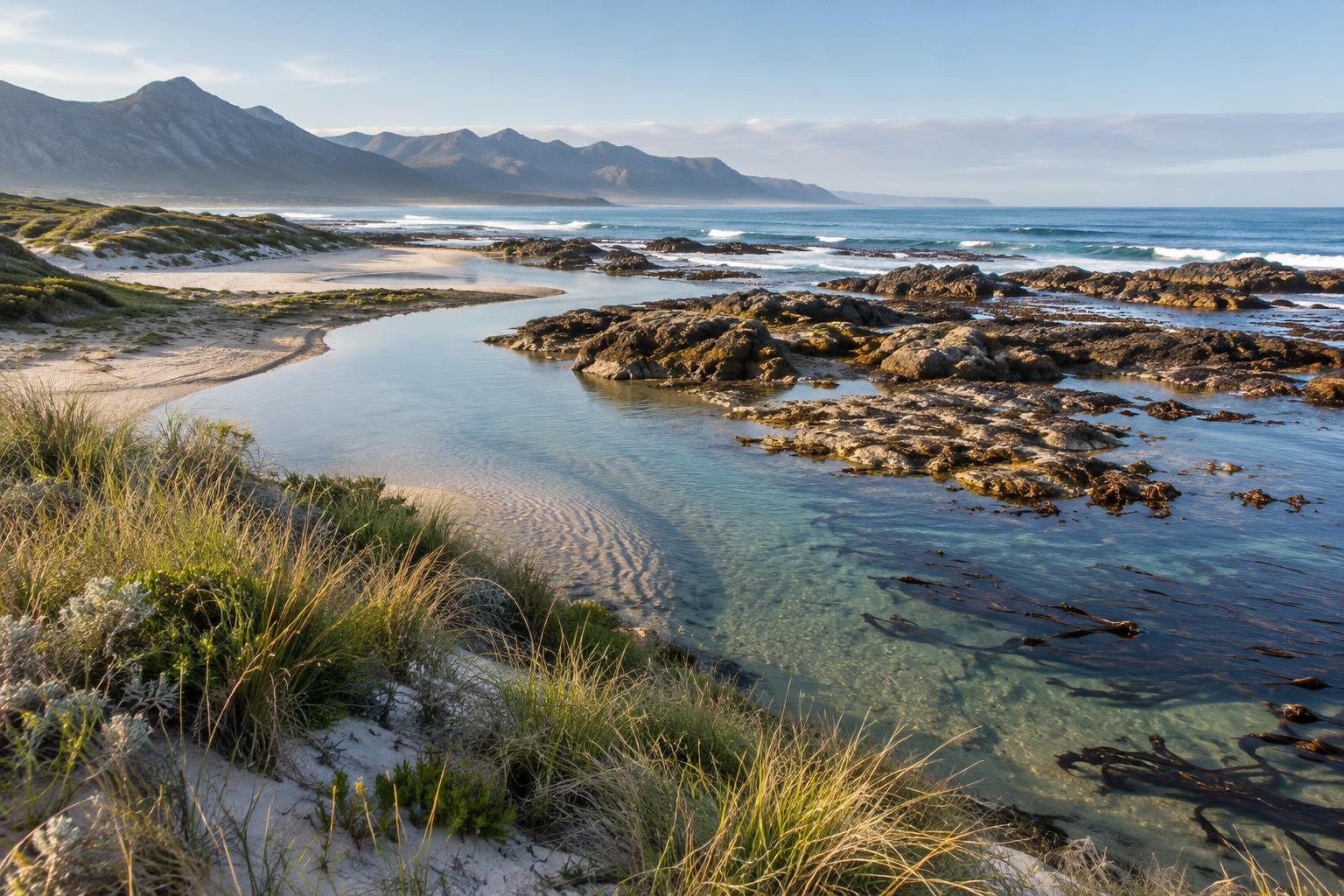
Nature and WildlifeSouth Africa’s shoreline is more than a line of beaches. Learn how dunes, estuaries, rocky shores and kelp forests work, what to notice in each habitat and how to explore without leaving a mark.
Read article · 4 min↗