Choose the beach with the journey in mind
The nearest beach is not always the easiest choice. A short drive can become awkward if parking is far from the sand, access involves steep steps, or your group has more gear than it can comfortably carry. Before settling on a destination, think about who is coming, how long you want to stay and what kind of access everyone needs. A family carrying shade, snacks and towels may value a convenient drop-off point more than a quieter stretch reached by a long walk.
Look at the full journey rather than just the distance on a map: the route in, the last stretch to the beach and the trip home. Along South Africa’s coast, beach approaches vary from town streets to more exposed or winding roads. Check current access information before you leave, especially where a beach has limited entry points or conditions may affect the route. Keep a second beach or another coastal stop in mind so that a difficult arrival does not spoil the day.
Match your transport to the day you want
Driving gives you room for supplies and flexibility over when to leave, but it also means finding a suitable place to park. If public transport is practical for your route, check where it will actually drop you and how you will get back with wet towels and tired companions. A lift or hired ride can remove the parking question, provided you have a workable pickup point and a backup plan if your phone battery runs low.
For a group travelling in separate cars, agree on a meeting place before departure rather than trying to coordinate at a busy beach entrance. Share the destination and a sensible arrival window, and let each driver use the route that suits them. If someone has limited mobility, consider whether a vehicle can get close enough for a comfortable drop-off; a short walk on a map may feel very different on sand or uneven ground.
Make a parking plan, not just a parking hope
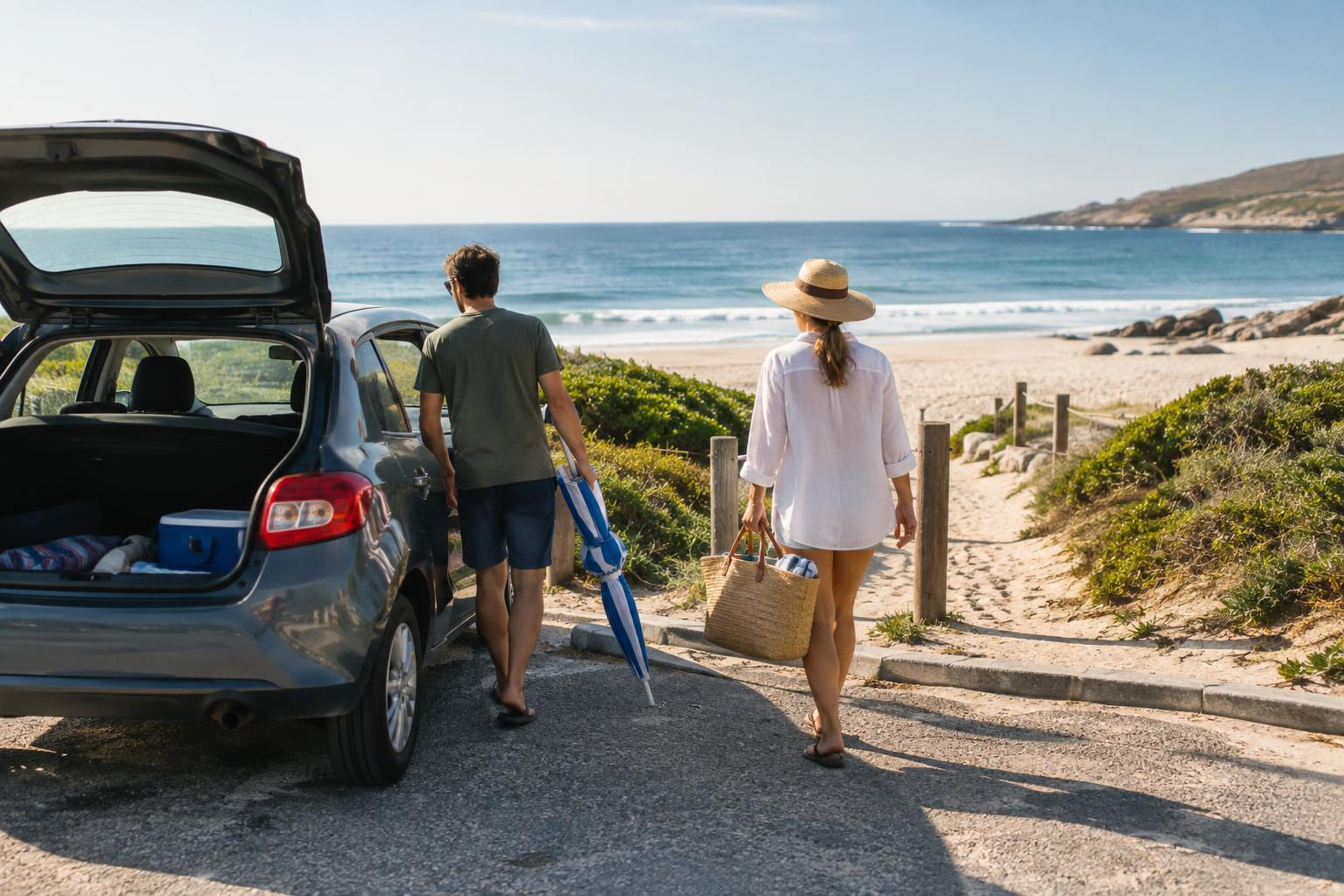
Identify a likely parking area and at least one alternative before you set off. Check any posted restrictions when you arrive, including time limits, fees and spaces reserved for specific users. Rules and availability can differ between coastal towns and individual beach access points, so avoid relying on what applied during an earlier visit. If you are considering a side street, make sure parking there is permitted and that your vehicle will not block a driveway, pavement or access route.
Choose a spot with the walk back in mind. Carrying a cooler uphill at the end of the day can make a distant space less appealing than it seemed on arrival. Before leaving the car, note its location and the pedestrian route to it. Take valuables with you where practical, keep anything left in the vehicle out of sight, and lock up. These simple habits are worth following without assuming that any particular parking area is either secure or unsafe.
Pack for the distance between car and sand
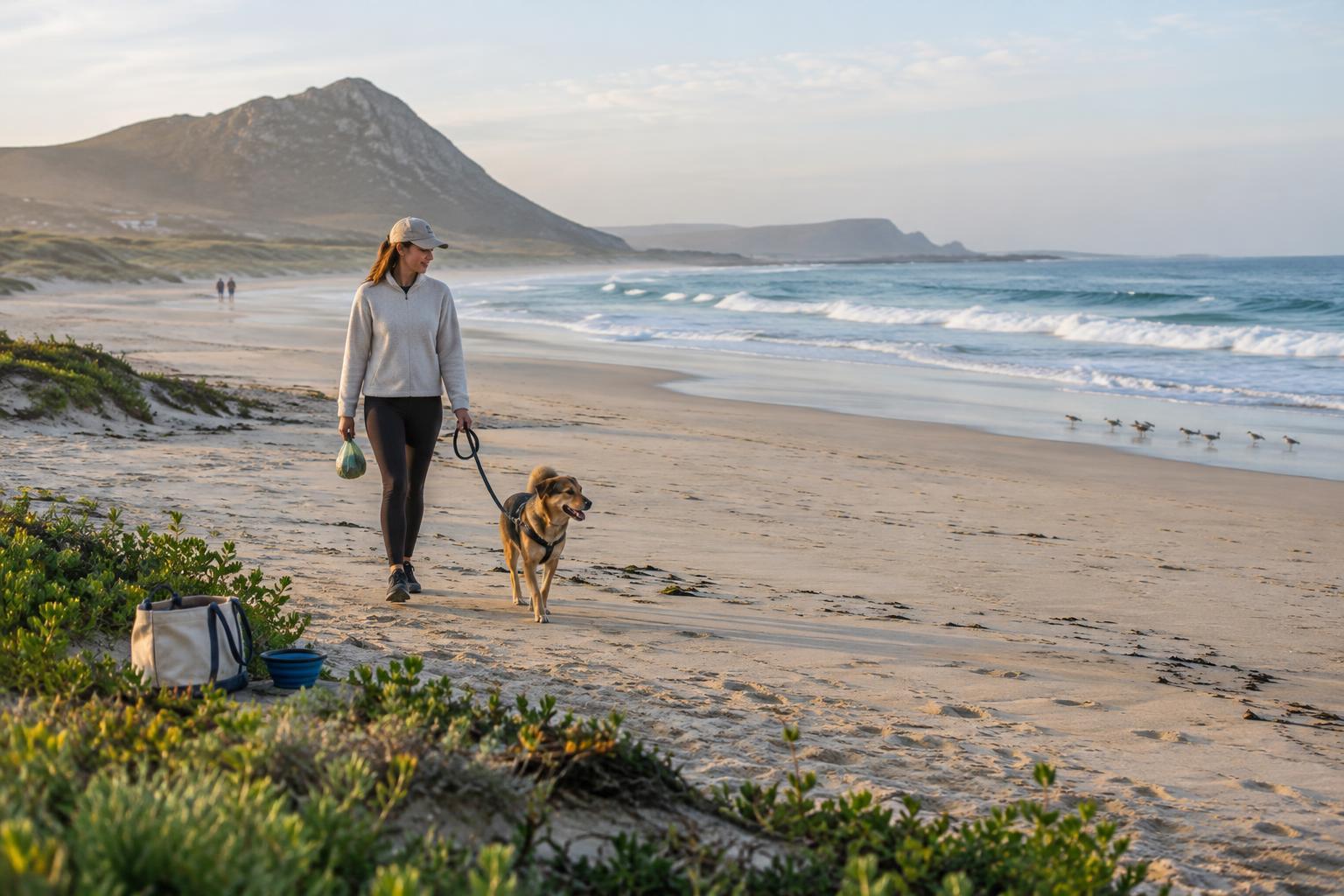
Parking and packing are connected. If you may need to walk from the vehicle, divide essentials into bags that people can carry comfortably. A small day bag for water, sun protection and personal items is easier to manage than a large container that needs two hands. Consider whether a trolley will help on the surfaces you expect to cross; wheels that work on paving may be less useful on soft sand or steps.
Keep what you need for the journey home separate from sandy beach gear. A dry layer, a bag for damp items and drinking water can make the return more pleasant. If you plan to buy food nearby, check that the option suits your budget and schedule rather than counting on a particular vendor being open. Bringing a simple snack also gives you more flexibility if you arrive later than intended.
Leave enough time for an unhurried exit
A good departure plan starts before everyone is tired. Decide roughly when to pack up, allowing time to walk back, load the car or reach a pickup point. Weather, traffic and beach conditions can change the feel of a day, so treat that time as a guide rather than a rigid deadline. If you are walking back after sunset, consider whether the route is well lit and comfortable for your group; leaving earlier may be the better choice.
Before heading home, do one last check for belongings and litter, then confirm that everyone knows the next stop. If the original parking area is full when you arrive, a route is unexpectedly closed, or the beach feels too crowded for your plans, use your alternative instead of circling indefinitely. The aim is not a perfect itinerary. It is a day with enough preparation to make the journey feel like part of the break, not an obstacle to it.