Start with access, parking and the walk to the sand
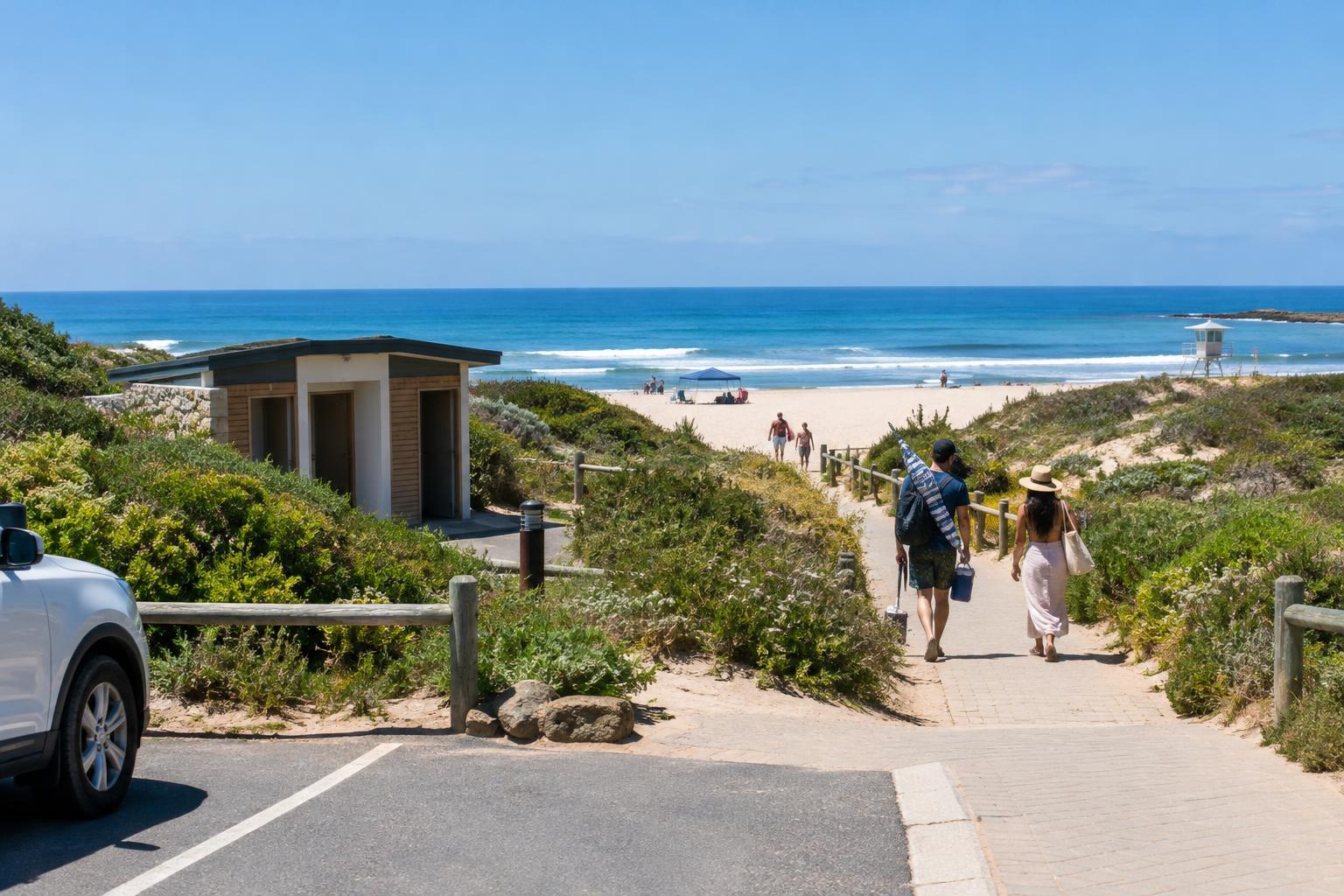
Begin with the part of the beach day that happens before anyone touches the water. Find out where the public entrance is, whether parking is available nearby and how far you will need to carry your bags. A short distance on a map may feel much longer with a cooler, children’s gear or a folding chair. If you plan to arrive early or stay late, check whether parking areas and access points have opening hours.
Ask what the route from the entrance is actually like. Steps, steep paths, loose sand and boardwalks suit different visitors differently. For someone using a wheelchair or pushing a pram, a beach described as “accessible” may still have a difficult final stretch. Look for specific details about ramps, surface conditions and access to the facilities you intend to use. If those details are unclear, choose a backup beach rather than relying on an assumption.
Check toilets, changing areas and fresh water
Toilets can determine how long a beach visit remains comfortable, particularly for families or anyone travelling a distance. Check whether public toilets exist, where they are in relation to your intended spot and whether they are expected to be open when you visit. Changing rooms and outdoor showers are useful extras, but they should not be taken for granted. Pack a towel or change robe if you may need to change without a dedicated space.
A tap or shower does not necessarily mean drinking water is available. Take enough water for your group, especially if you cannot confirm a potable supply or a nearby place to buy more. It is also worth checking for bins: where waste facilities are limited, a spare bag makes it easier to take wrappers and food scraps away with you. These small details help you plan the length of your visit rather than cutting it short.
Know what swimming support is available
If swimming is part of the plan, check whether the beach has a lifeguarded area and when lifeguards are expected to be on duty. Presence at one beach, or on one day, does not guarantee coverage at another time. On arrival, follow the signs and instructions in place and identify the designated swimming area before entering the water. Conditions can change, so information checked at home is a starting point, not a substitute for what you see at the beach.
Facilities for a shore walk are not always facilities for a swim. Find out whether there are marked swimming zones, warning signs or restrictions relevant to your visit. If you are bringing children, decide in advance who will supervise them at the water’s edge; lifeguards do not replace close attention from your group. When you cannot confirm suitable swimming arrangements, it is easier to plan a sand-and-picnic outing than to arrive with disappointed swimmers.
Plan for shade, food and the people in your group
Some beaches have nearby cafés or shops, while others offer little beyond the shoreline. Check what is close enough to use without repacking the car, and whether you will need to bring all your food, water and sun protection. Natural shade may be scarce or may not fall where you want to sit. An umbrella or other portable shade can make a longer visit more comfortable, provided it can be used safely in the conditions you encounter.
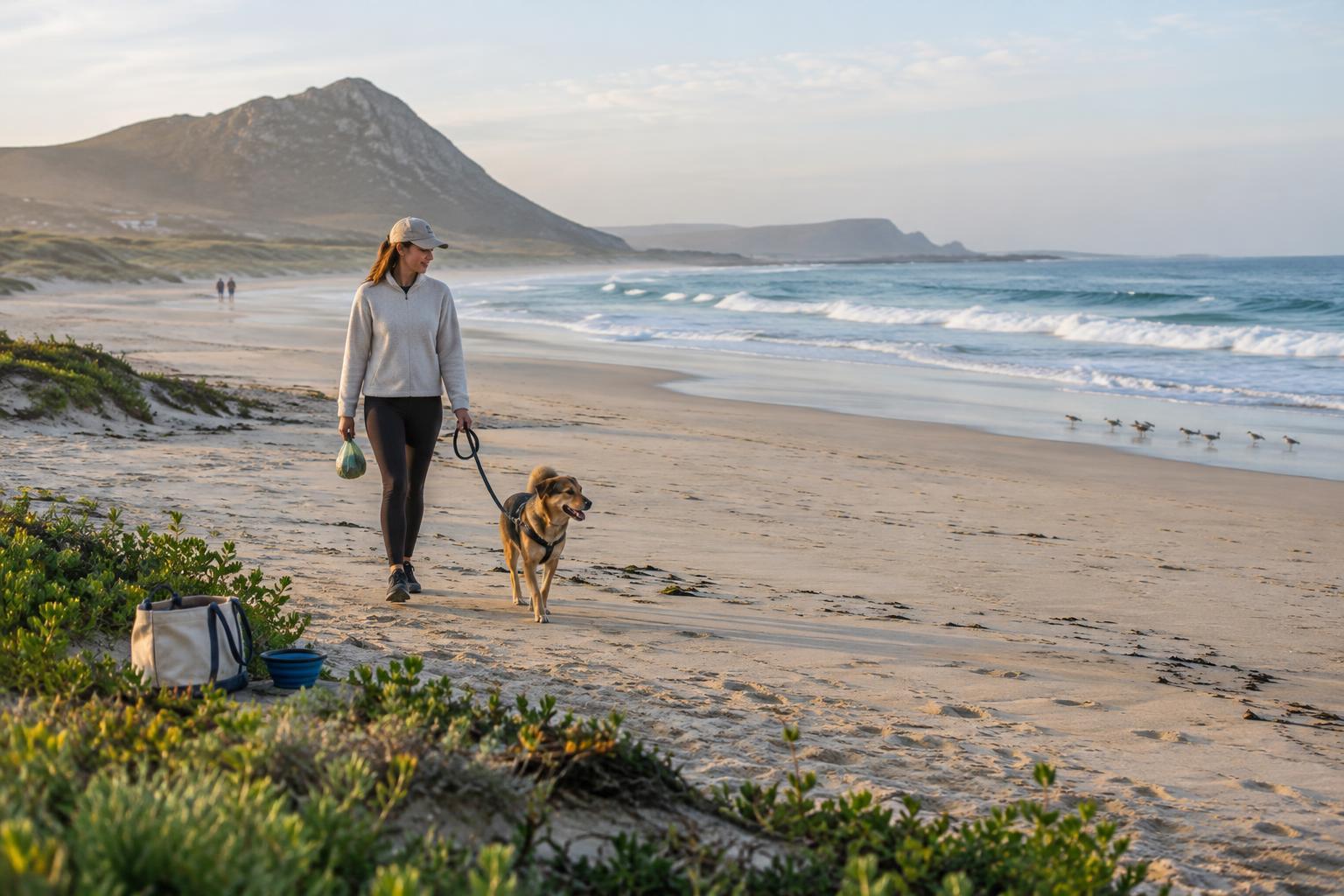
Think through any facilities your group particularly needs. These might include an accessible toilet, a place to rinse sandy feet, seating away from the sand or a convenient spot for a short visit rather than a full day. If you hope to bring a dog, cook food or set up larger equipment, check the beach’s rules first. Local arrangements can differ, and finding out before you pack prevents an avoidable change of plans at the entrance.
Do a final check and keep a simple backup
Before leaving, confirm the practical details most likely to affect your day: access, parking, toilet availability and any swimming information or local notices. Check the weather forecast and expected tide conditions for the stretch of coast you intend to visit, particularly if your plan involves a narrow beach or a long walk. Facilities and access can change, so use the most relevant current local information you can find rather than relying only on an old review or photograph.
Finally, choose a fallback that meets your essential needs. It might be another beach with easier access, a shorter shoreline stop or a nearby place to eat if the weather turns. You do not need every convenience for a good beach day. You do need to know which comforts are optional, which are essential for your group and what you will do if one is unavailable.