Start with the produce, not the menu
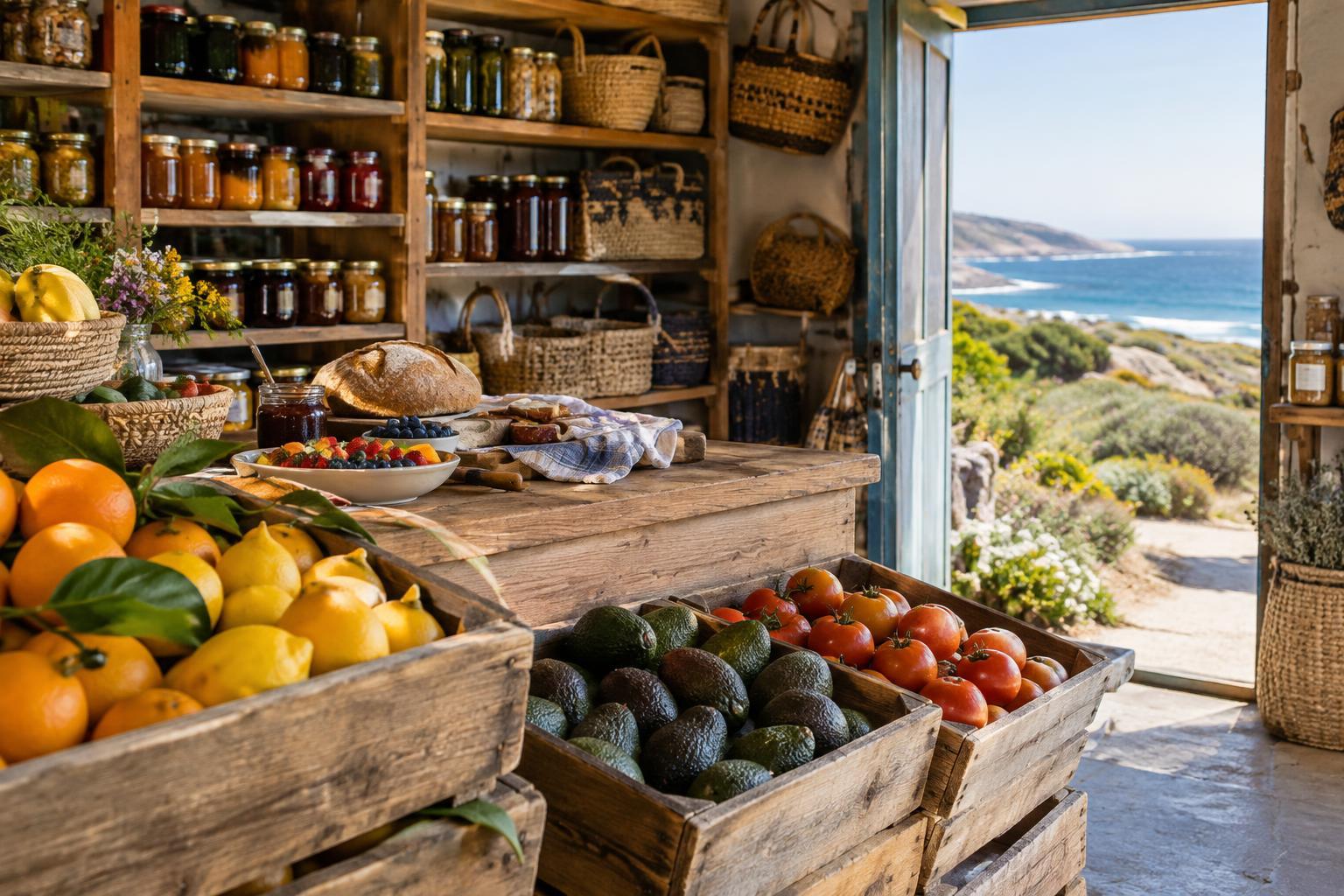
The takeaway counter is tempting when you arrive hungry, but the produce display is often the best place to begin. Look for fruit and vegetables that suit the season and your plans for the day. Firm tomatoes, citrus or sturdy greens may travel better than delicate berries or leafy herbs in a warm car. A smaller selection is not necessarily a drawback: it may give you a clearer idea of what the stall has been able to source recently.
Read signs closely rather than assuming everything was grown next door. A coastal farm stall may sell goods from its own garden, nearby growers and suppliers farther away. If origin matters to you, ask which items are local and which are in season. Staff may not know every grower’s story, but a simple question can help you make a more informed choice without turning a relaxed stop into an interrogation.
Browse the shelves for a useful taste of the area
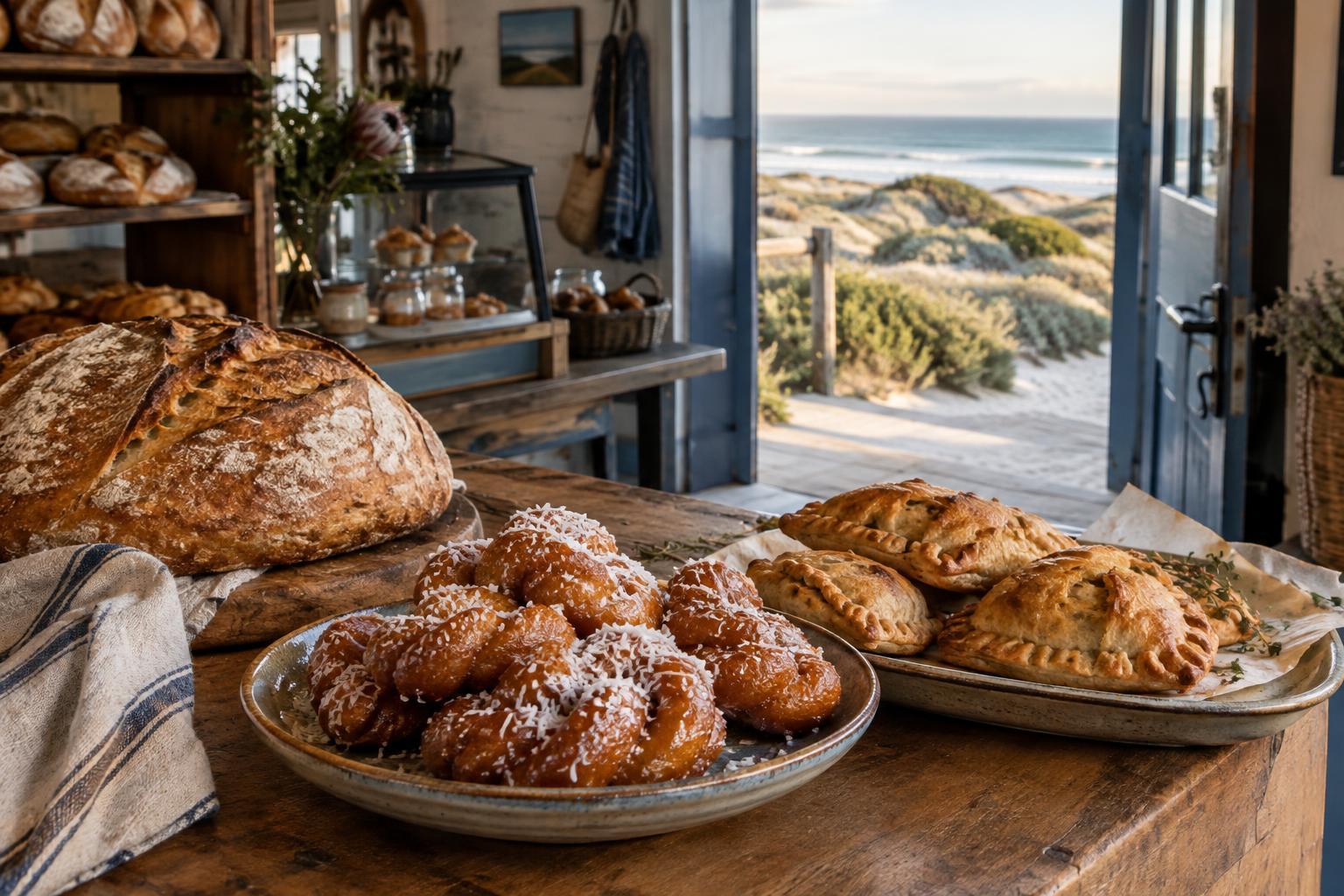
Jams, chutneys, preserves, rusks, baked goods and spice blends can be easier to take home than fresh produce. They also invite a slower look at the shelves. Check ingredient labels, pack sizes and storage instructions, particularly if you are buying for someone with a dietary restriction. A jar that looks appealing as a gift may need refrigeration after opening, while a loaf might be better enjoyed that afternoon.
Labels can tell you who made an item, but they do not always explain where its ingredients came from. If you want to support a particular producer, look for a maker’s name and ask how the stall works with them. Buying one pantry item you will genuinely use is often more satisfying than collecting several souvenirs that will sit unopened at home.
Notice the people and objects behind the display
Some stalls make room for pottery, woven pieces, candles, textiles or other small goods alongside food. Browse them with the same curiosity you bring to the pantry shelves. Is the maker identified? Is there information about materials or care? A practical bowl or cloth may become a lasting reminder of a coastal trip, especially when you know who made it and how to look after it.
Not every handmade-looking object is locally made, and that is worth checking before describing it as such or paying a premium on that assumption. If a stall stocks work by local makers, asking about it can open a friendly conversation. If it does not, you can still decide whether the item suits your needs. The point is to buy with attention, rather than letting a holiday mood make the decision for you.
Build a beach-day picnic that travels well
A farm stall can help turn a routine beach stop into an easy picnic. Think in combinations: bread with a spread, fruit with something savoury, or a few baked treats to share after a walk. Choose foods that are straightforward to portion and carry, and bring your own water, reusable containers and a bag for rubbish. Check whether the beach you plan to visit allows picnics and where you can dispose of waste; facilities and rules can vary.
Plan around heat and time. Perishable foods need appropriate chilling, so an insulated bag and ice packs are useful if you will be out for a while. Otherwise, choose shelf-stable options or eat soon after buying. It is also sensible to keep sandy hands away from shared food. A modest picnic that stays fresh and is easy to clean up beats an elaborate spread that becomes difficult to manage in the wind.
Make the stop part of the journey
The pleasure of a coastal farm stall is often in slowing down long enough to notice what is there. Give yourself a few minutes to compare produce, read a label and choose something for a meal later, rather than treating the visit only as a queue for coffee. If you are travelling with others, let everyone pick one useful item for a shared lunch or supper. It is a simple way to connect the stop to the rest of your trip.
Keep the practical details flexible. Opening hours, stock, seating and payment options can change, so check directly with a stall before making it an essential stop on your route. Once there, follow any posted guidance about sampling, parking and shared spaces. A thoughtful visit supports a better experience for you, the people running the stall and the next traveller who comes through the door.