Expecting one coastal menu everywhere
A common mistake is treating the whole South African shoreline as a single food destination. A visitor might arrive expecting the same seafood platter, spice level or snack at every stop. Coastal towns have different communities, fishing traditions and everyday eating habits, while individual cooks put their own stamp on familiar dishes. A better approach is to ask what people in that particular place enjoy, rather than looking for one meal that represents the entire coast.
Give yourself room to eat beyond the obvious seafood order. Depending on where you travel and what is available, a café, market stall or home-style restaurant may introduce you to breads, curries, grilled foods, preserves or baked treats that tell a richer story about local tastes. If a dish is unfamiliar, ask how it is usually served and whether it is meant as a snack or a full meal. You need not sample everything in one day; an unhurried second visit is often more enjoyable than an overfilled table.
Assuming “fresh” means local or in season
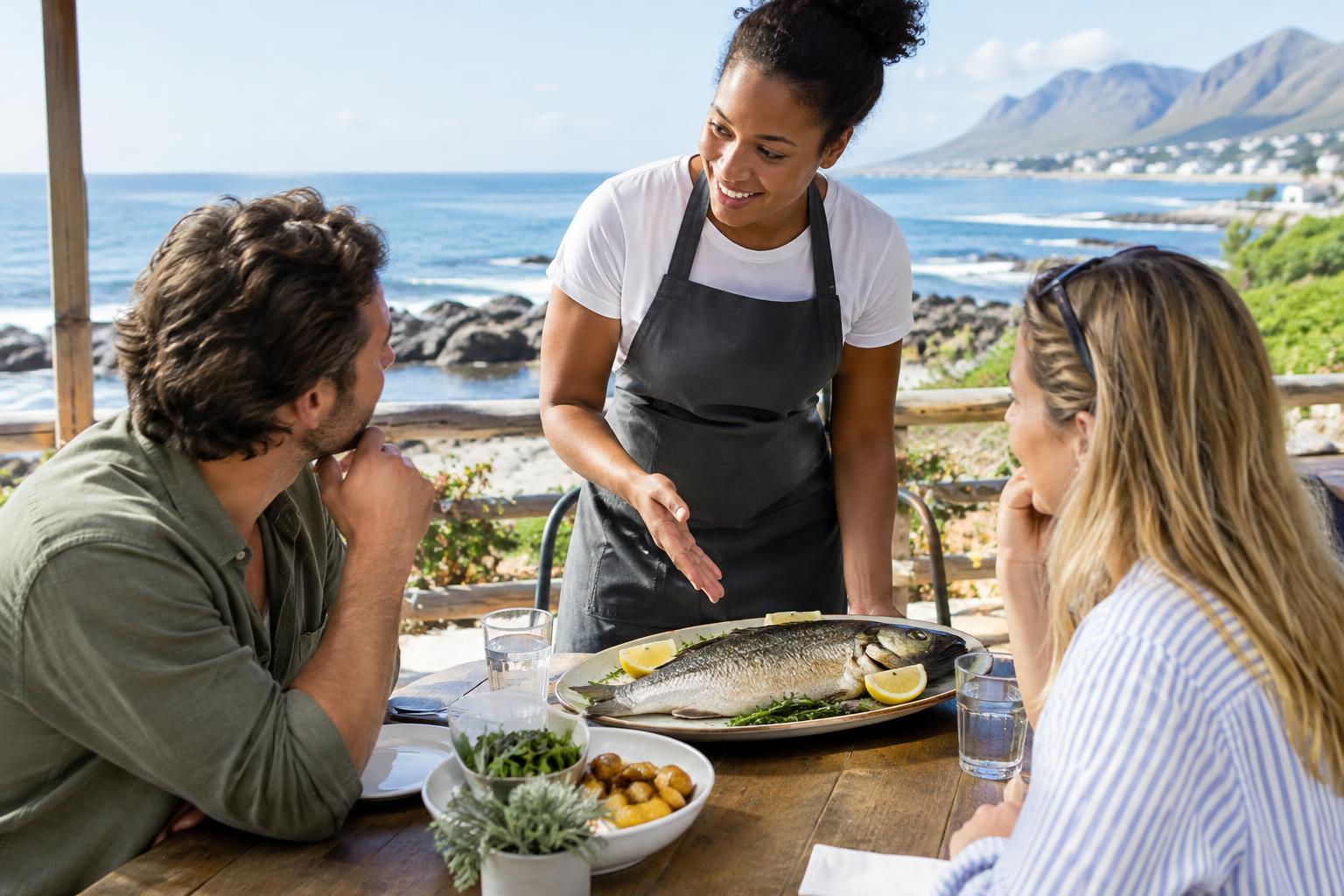
Being beside the ocean does not mean every fish on a menu was caught nearby that morning. Restaurants may use ingredients brought from elsewhere, and availability can change with weather, supply and fishing rules. Instead of guessing from a seaside view or a chalkboard description, ask where a seafood item comes from and what is actually available that day. Staff may not know every detail, but a straightforward question can help you choose with clearer expectations.
It is also easy to order a particular species simply because it sounds like the classic coastal choice. If you want to make a more considered choice, stay flexible: ask whether there is an alternative and check current guidance on seafood choices before your trip. If a restaurant cannot answer your questions, choose something else you feel comfortable ordering. A good coastal meal does not have to depend on a rare or specific catch.
Treating markets as a quick photo stop
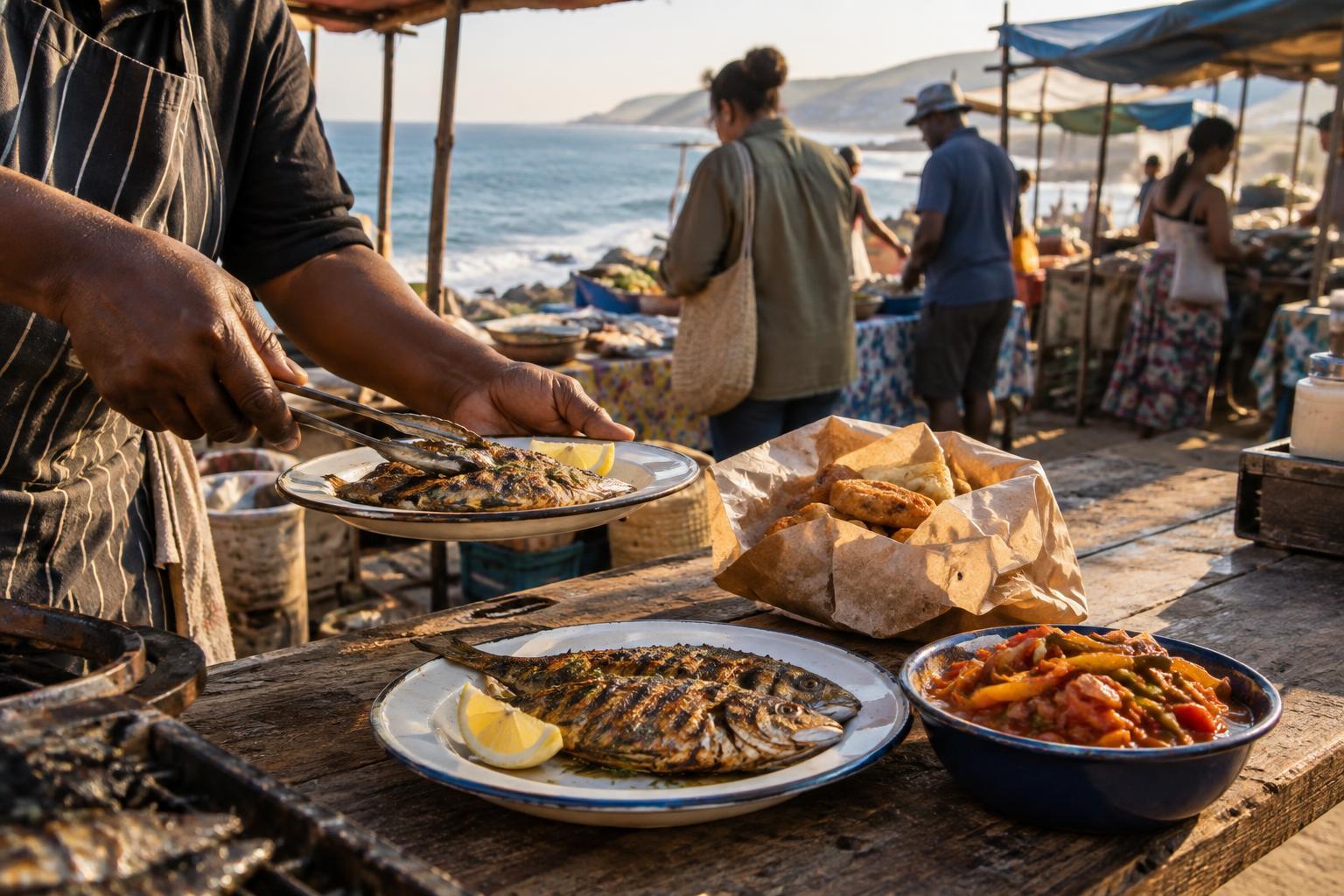
Markets and small food counters can be rewarding places to eat, but visitors sometimes hurry through them looking only for the most photogenic dish. Slow down enough to read signs, notice what is being prepared and ask how to order. Bring a way to pay that works for the stall, and check prices before requesting extras or a large portion. Opening hours, vendors and payment options may change, so confirm practical details rather than building a whole day around an old listing.
Be considerate when a stall is busy. Stand clear while deciding, ask before photographing people or their work, and give yourself time to eat what you buy. If you are taking food to the beach, think about how you will carry it, keep it at a suitable temperature and dispose of packaging. A small, well-chosen snack enjoyed nearby may give you a better sense of a place than several purchases made in a rush.
Leaving dietary questions until the plate arrives
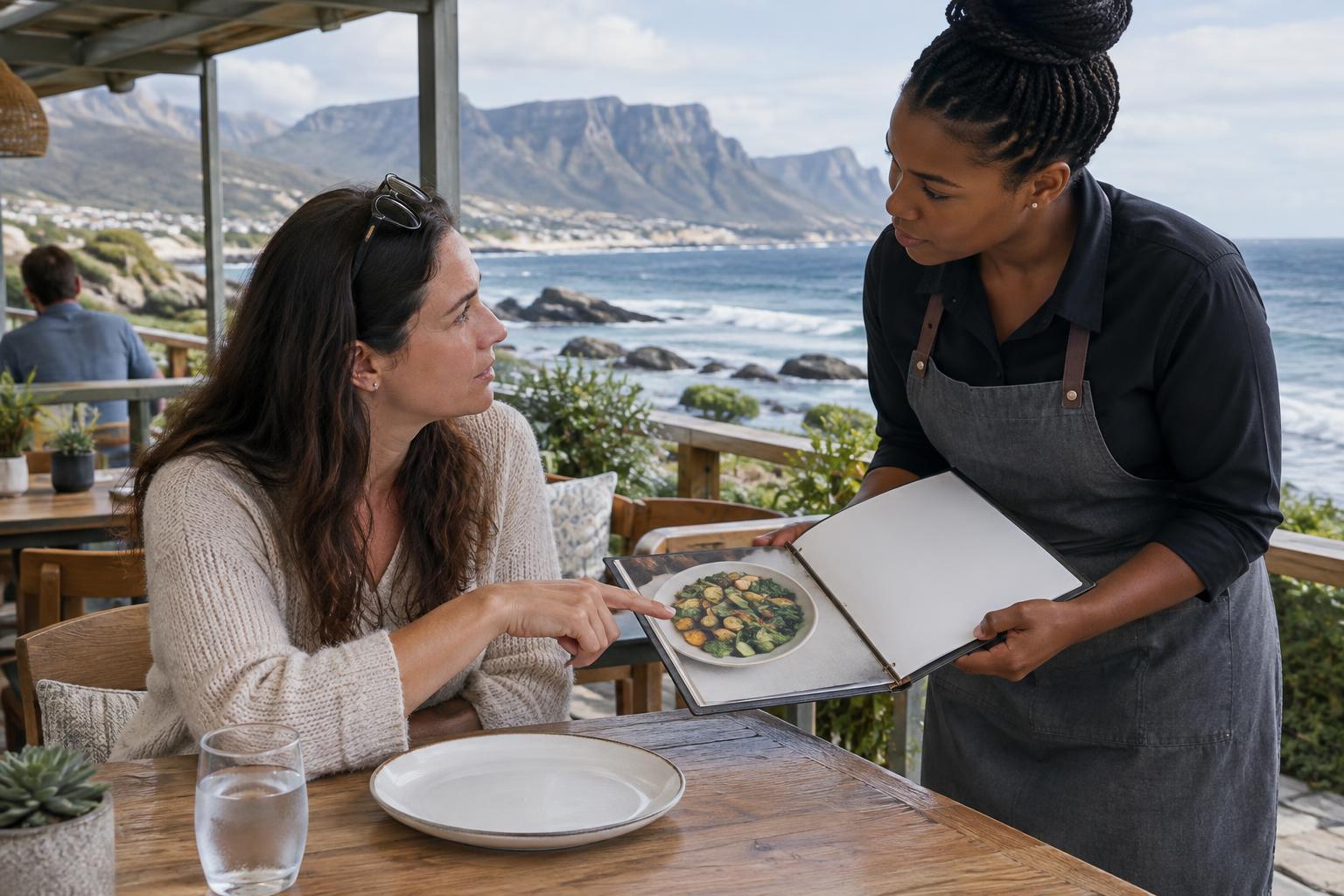
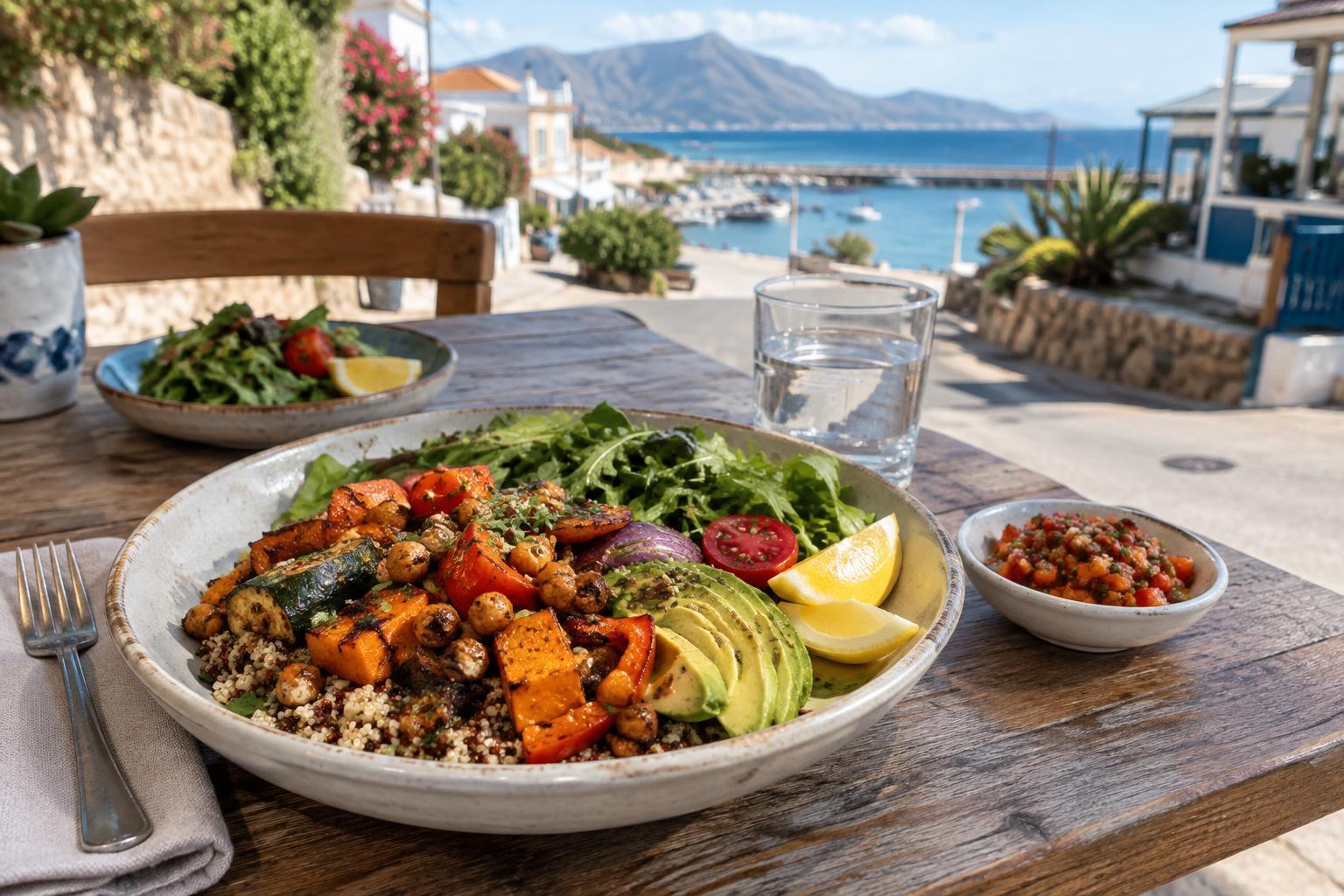
Dish names and brief menu descriptions do not always reveal every ingredient or preparation method. Sauces, marinades and shared cooking equipment can matter if you have an allergy or a dietary restriction. Explain your needs clearly before ordering, and ask specific questions about ingredients and preparation. If the answer is uncertain, it is reasonable to choose another dish or venue. Do not assume that a vegetable side is automatically suitable for every diet, or that a mild-looking dish contains no spice.
The same curiosity helps even when you have no restrictions. Ask whether a dish is served with bones or shells, whether a condiment is added at the table, and how large the portion is. These simple questions reduce surprises without turning a relaxed meal into an interrogation. They also make it easier to appreciate a cook’s way of serving something, rather than judging it against an expectation formed elsewhere.
Planning meals too tightly around a beach day
A final mistake is treating food as an afterthought between swims and scenic stops. A packed itinerary can leave you looking for lunch just as a small kitchen is closing, or carrying a takeaway for longer than intended in the heat. Check current opening times and booking arrangements directly before you go, particularly if a particular meal matters to you. Keep a backup option in mind, and allow enough time to sit down rather than eating in a hurry.
Balance the planned meal with a little spontaneity. Carry water, leave space for an appealing stop you did not expect, and resist judging an entire town by one busy café or one disappointing plate. Exploring coastal food works best as a series of conversations and choices: notice what is offered, ask thoughtful questions, and let each place show you something distinct.