Trying to cover too much coast
The first planning mistake is treating the shoreline as a list of stops to collect. South Africa’s coast offers very different landscapes and experiences, but adding another town to an itinerary also adds packing, driving, parking and check-in time. A route that looks comfortable on a map may leave little space for the beach walk or unhurried lunch that made you want to visit in the first place.
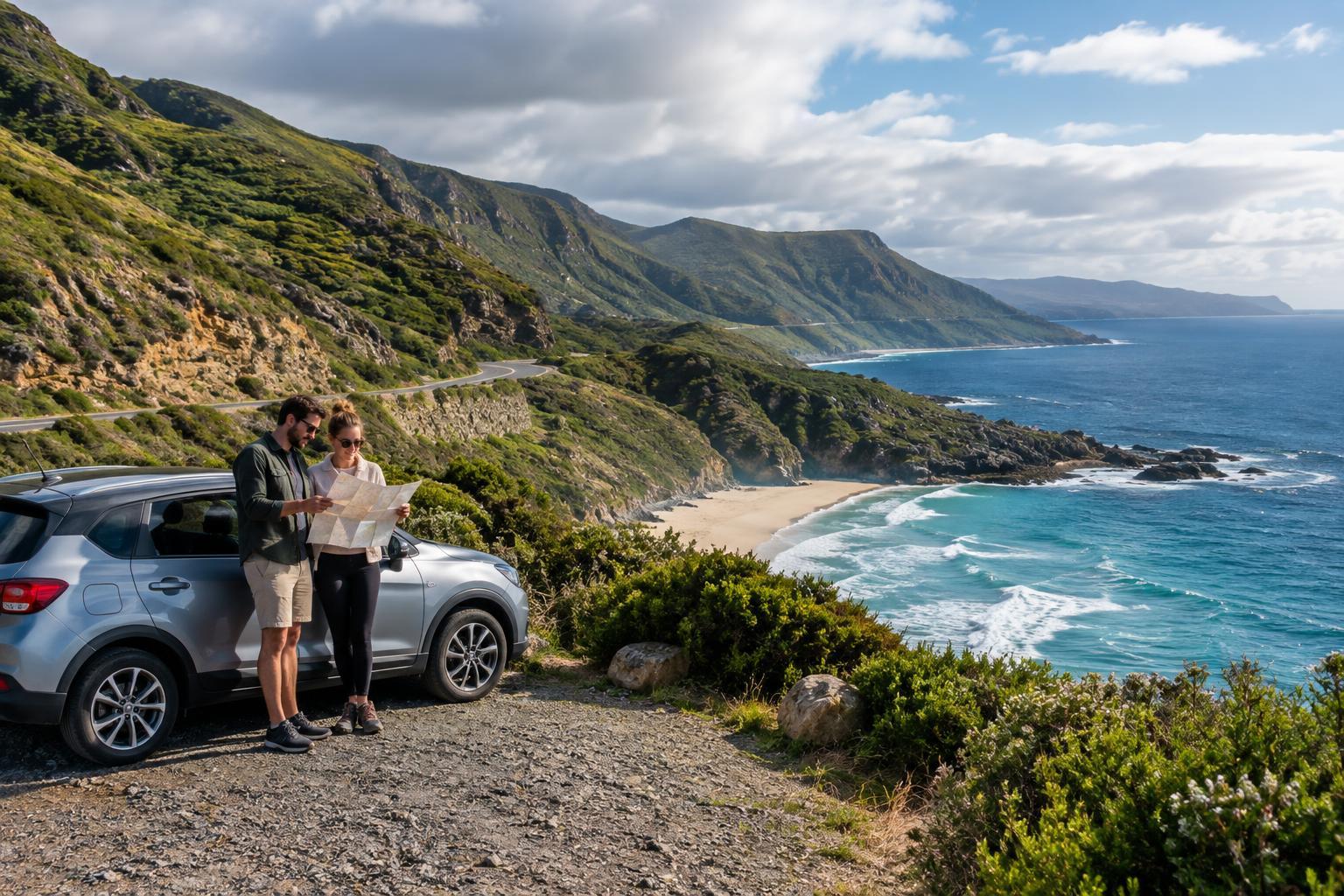
Choose a section of coast before choosing individual stops. You might want a trip built around quiet beaches, food and small towns, or nature walks and viewpoints. Pick a few bases that suit that aim, then consider day trips from each one. When estimating a driving day, allow for breaks, slower local roads and time to find your accommodation. A shorter route often makes it easier to enjoy the differences between places.
Planning beach time without checking conditions
A beach is not automatically a good swimming beach. Surf, currents, rocks and weather vary by location and can change during a stay. A beautiful stretch of sand may be better suited to walking than swimming. If getting into the water matters to you, look for suitable swimming areas and follow local signs and guidance when you arrive. Do not rely on a photograph or an old recommendation to judge safety.
Weather deserves the same flexibility. Wind or rain can change the feel of a beach day, while tides may affect how much sand or walking space is available in some places. Keep a second option for each stop: a sheltered walk, a local food stop or time to explore the town. Pack layers, sun protection, drinking water and footwear for more than one kind of outing, rather than assuming every day will be spent on the sand.
Leaving practical details until arrival
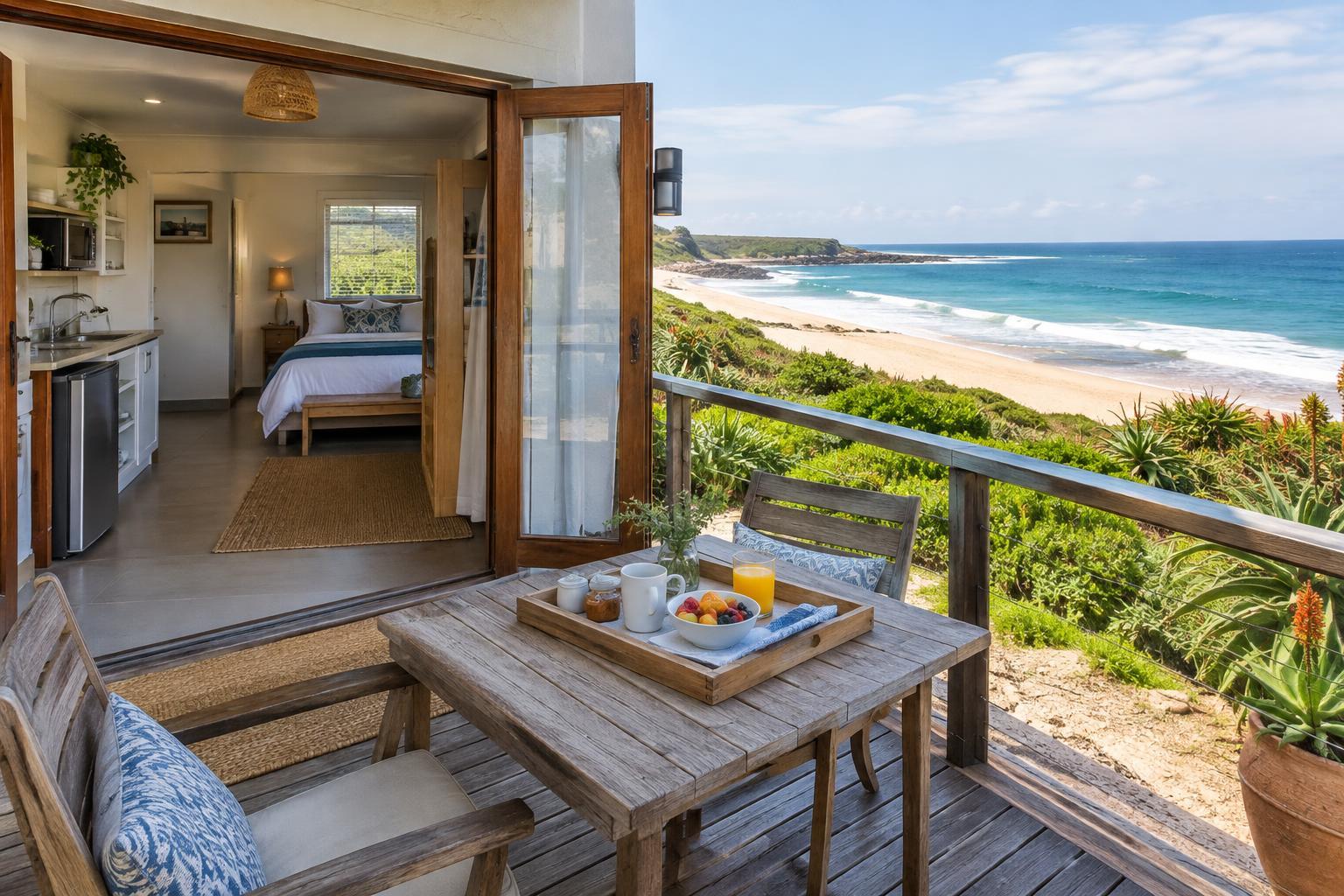
It is tempting to decide every overnight stop on the road, but a little preparation makes the trip less tiring. Check whether your chosen accommodation has suitable parking, how check-in works and whether you can arrive within its stated hours. If you are heading somewhere quieter, identify a few options for meals and supplies before the driving day begins. This is especially helpful when you would rather settle in than search after dark.
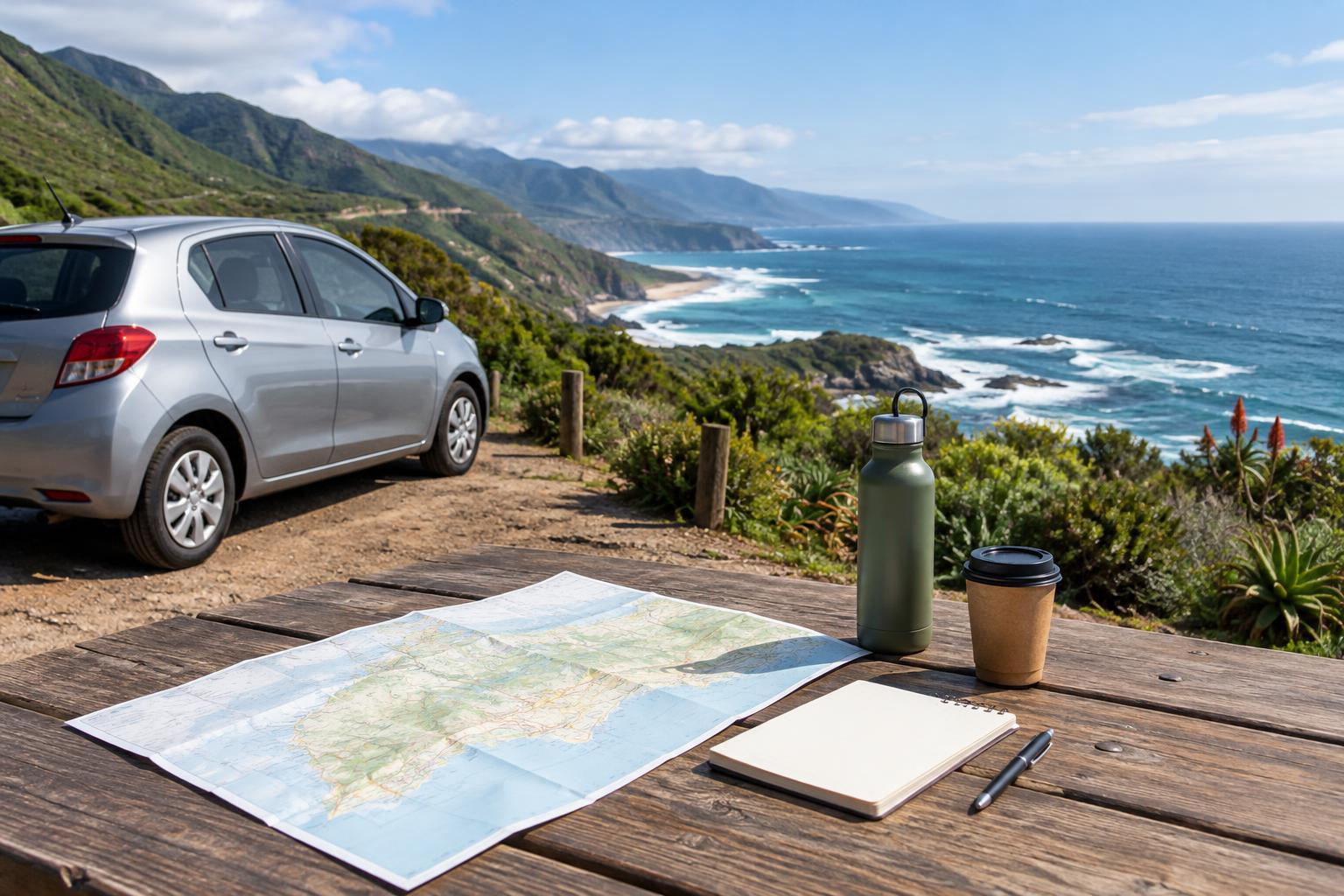
Keep the route flexible without making it vague. Save your accommodation addresses and an offline map, and note where you expect to stop for fuel and food. Before setting out each day, check the conditions that matter to your plans, including road information, beach access, opening hours and any booking requirements. These details can change, so confirm them with the relevant local provider or authority rather than treating a saved itinerary as final.
Choosing stops only for the view
A sweeping viewpoint makes a good pause, but it does not always tell you what a place will be like to stay in. Think about the ordinary parts of each day: how far you are willing to travel for dinner, whether you want to walk from your accommodation, and whether you prefer a lively base or a quieter one. A town that fits your routine may be a better choice than a scenic stop that requires repeated drives for basic needs.
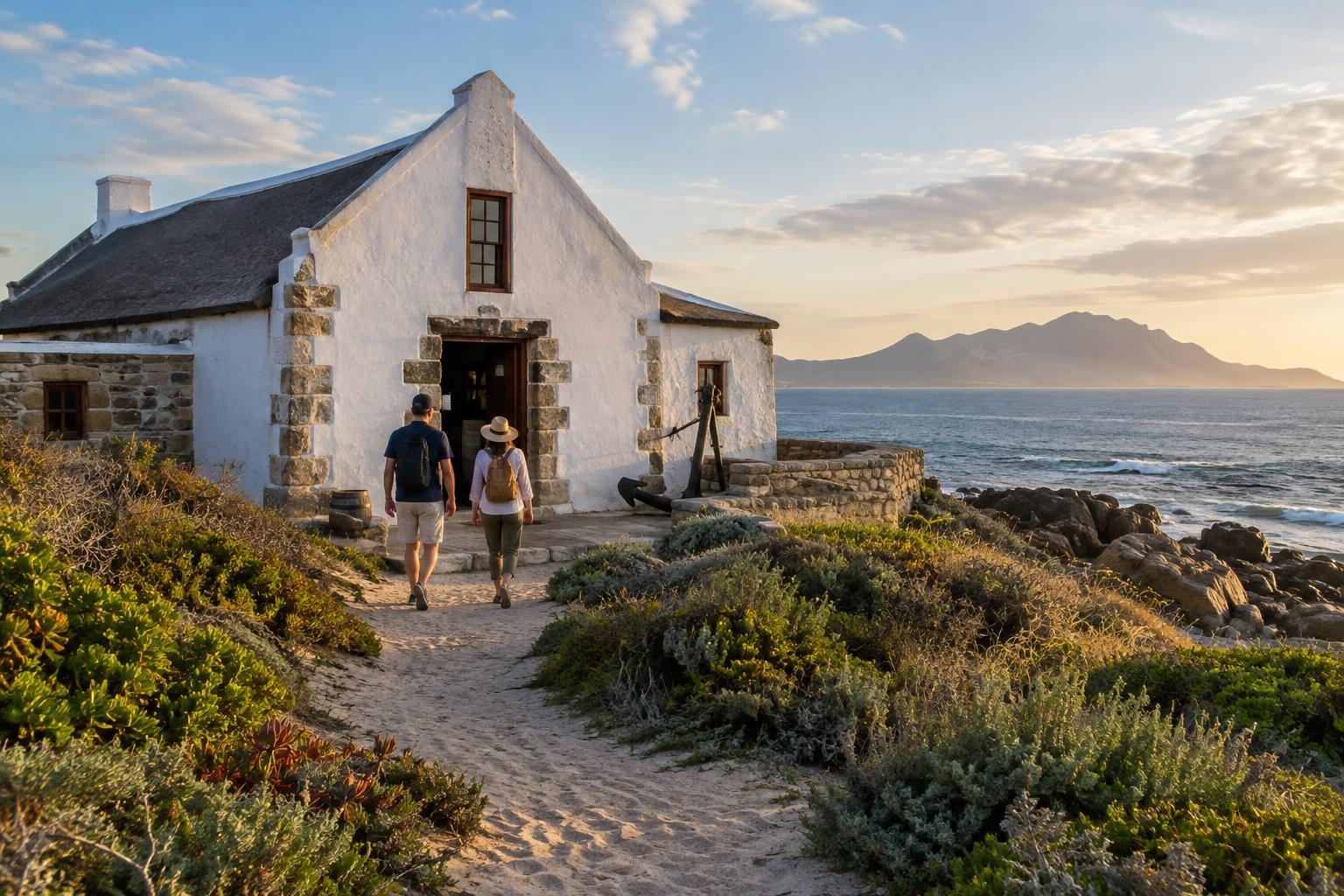
Build variety into the trip without turning every meal or activity into a reservation. Leave time to try local food, visit a market if one is operating, or take a walk beyond the main beachfront. Be considerate of residents and natural areas: use marked access points, take litter with you and give wildlife space. A coastal stop is more rewarding when you experience it as a place people live, not just a backdrop.
Forgetting to leave room for the unexpected
Even a carefully planned trip needs breathing space. A long lunch, a change in weather or a walk that takes longer than expected can put a tightly scheduled day under pressure. Avoid booking a major activity immediately after a long drive, and give yourself a lighter day between demanding travel days where possible. If you are travelling with others, agree on a few priorities together so that everyone knows what can be skipped.
The most useful itinerary is a guide, not a test. Keep your must-do stops few, check essential details before each leg and let the rest of the day respond to where you are. For a first South African coastal road trip, that balance offers a better chance of returning with memories of the coast itself, rather than only the distance you managed to drive.