A food culture shaped by the coast
On South Africa’s West Coast, seafood is often at its best when the preparation leaves room for the ingredient. Fish cooked over coals, mussels in a fragrant pot and bread used to catch the last of the sauce all suit a meal that takes its time. There is no single West Coast menu: home cooks, fishing communities and restaurants have their own methods, shaped by what is available and what people enjoy sharing.
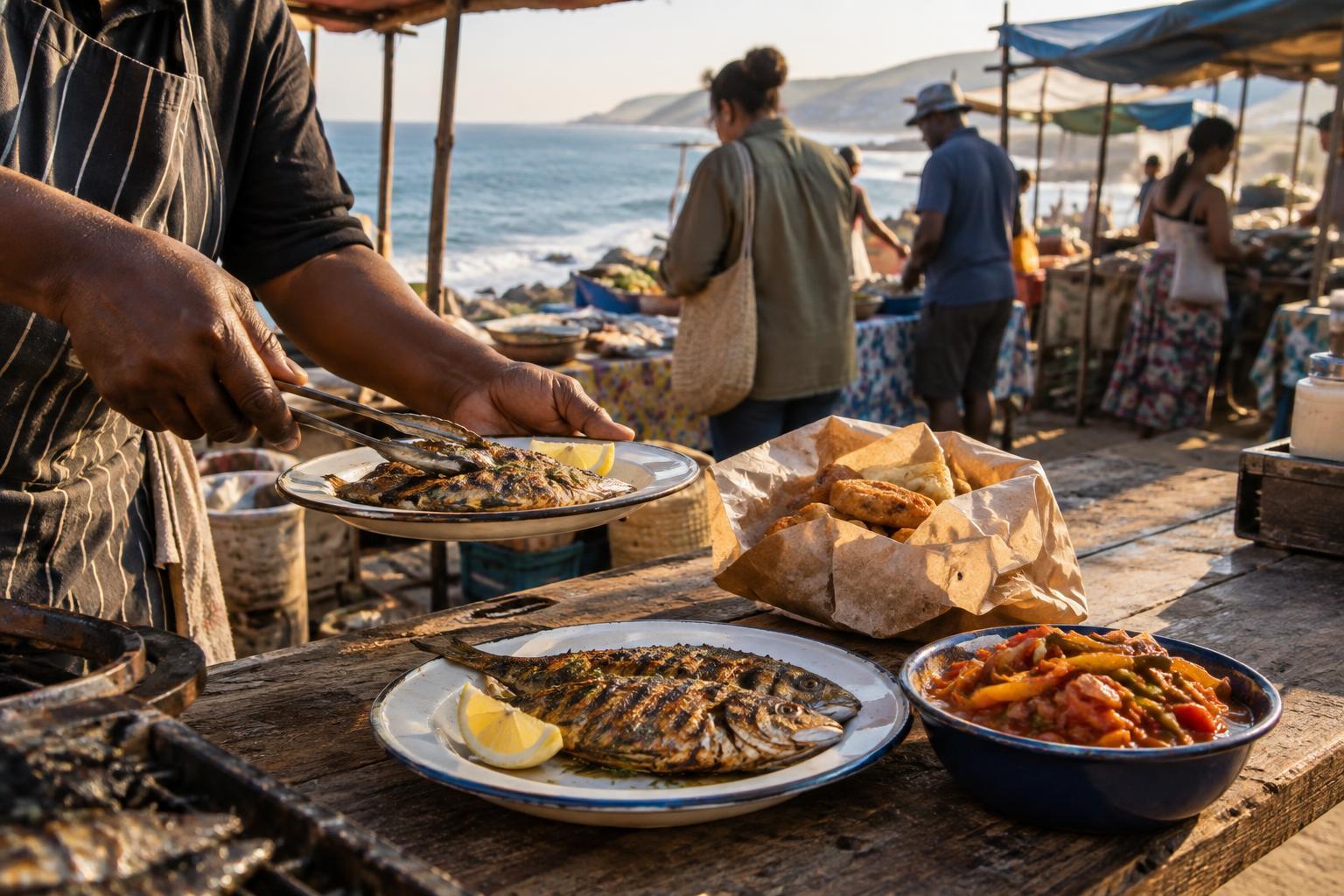
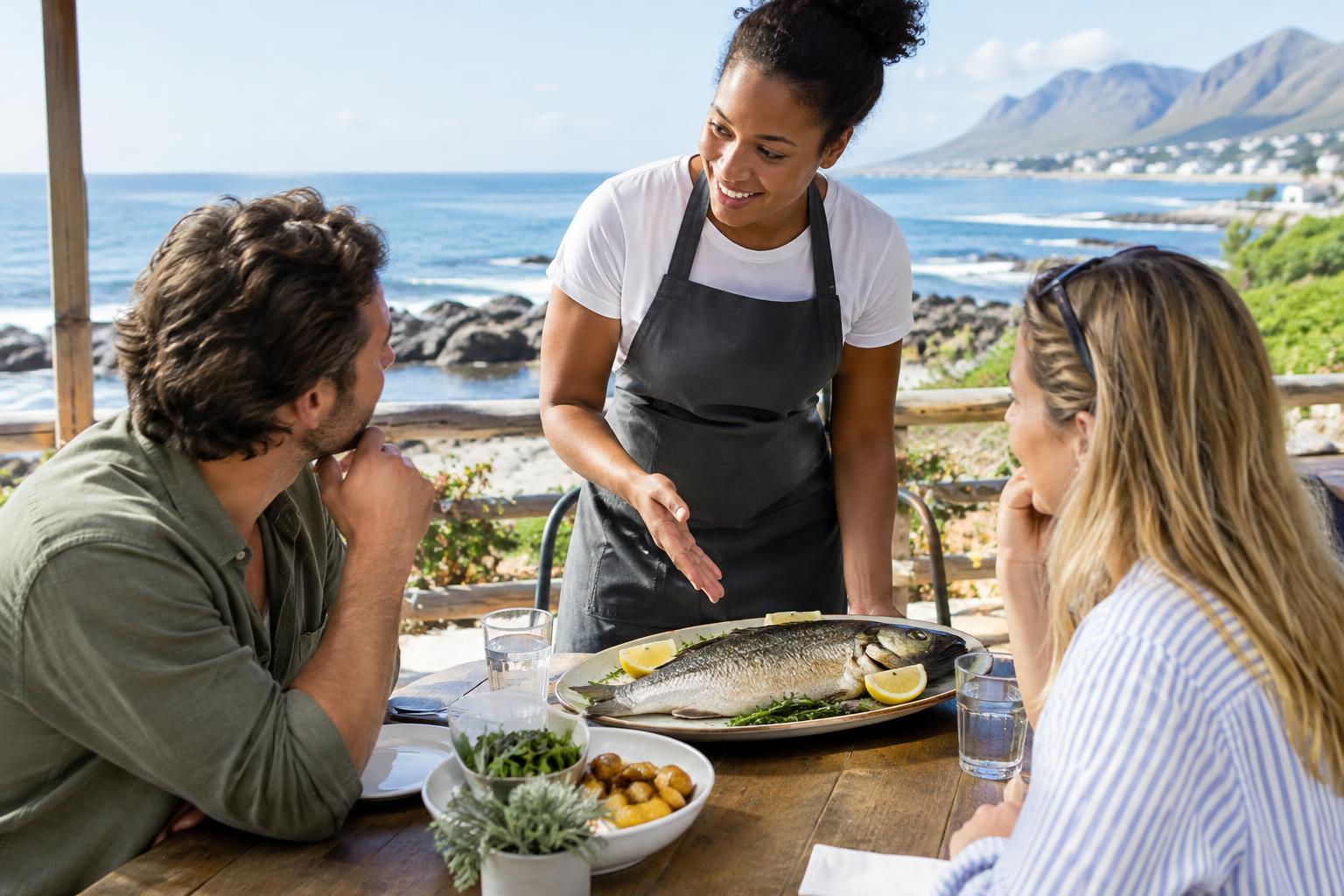
For a visitor, the pleasure lies partly in paying attention. A chalkboard may offer a familiar fish prepared in an unfamiliar way; a market counter may have something different from the day before. Rather than arriving with a fixed checklist, ask what is being served, how it is cooked and what usually accompanies it. Those conversations can make a simple lunch more memorable.
Snoek and the braai
Snoek is closely associated with West Coast cooking. Its firm, richly flavoured flesh stands up well to the heat and smoke of a braai. A butterflied fish can be cooked over coals with modest seasoning, while some cooks add a sweet glaze, often with apricot, to balance its savoury depth. Lemon at the table brings brightness without hiding the flavour of the fish.
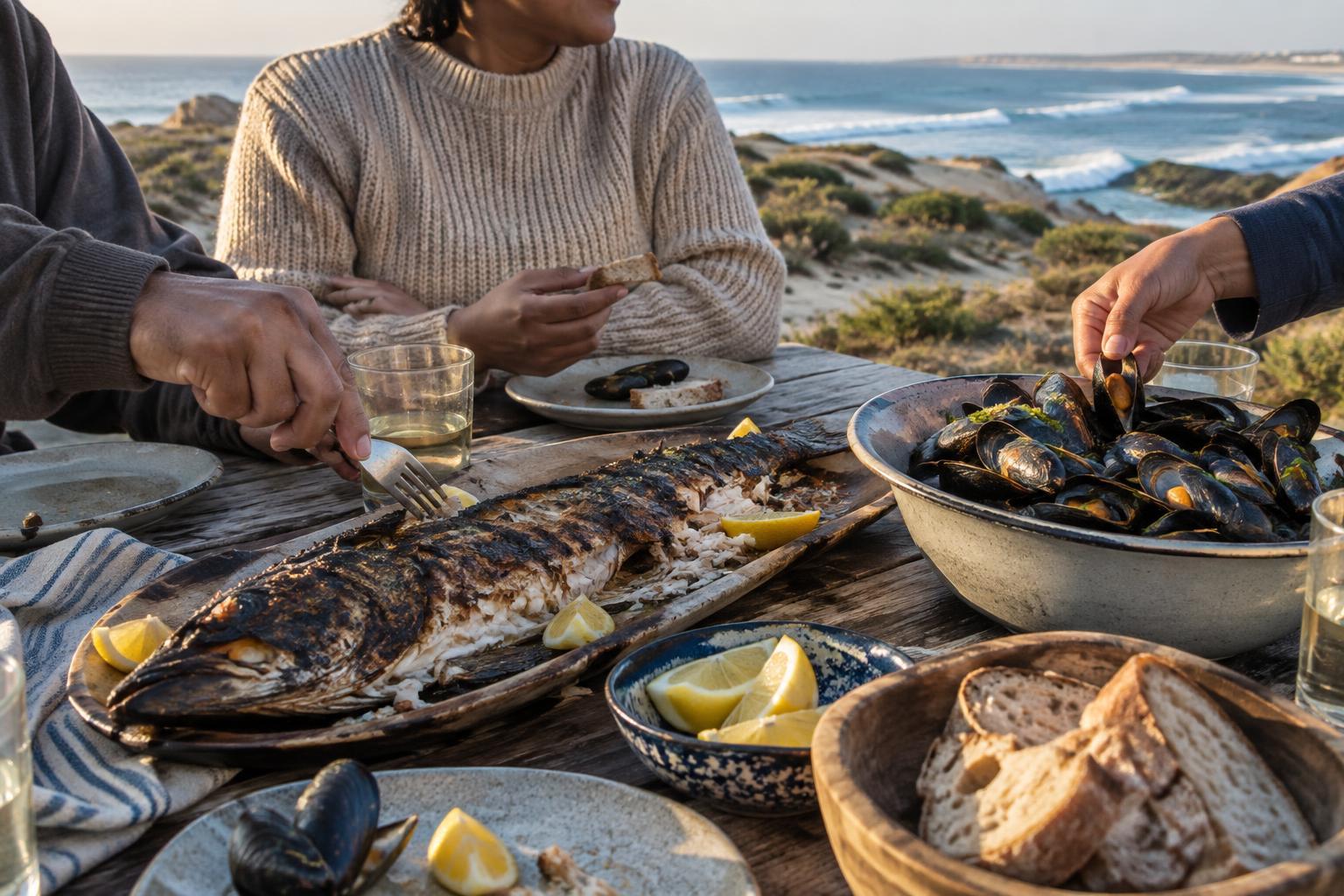
Braaied snoek is generous food. It invites people to gather while the coals settle, then eat with bread, potatoes or a salad alongside. It is also a fish worth eating attentively: bones can remain in a portion, so take your time, especially when serving children. If you are ordering it rather than cooking it, ask whether it comes fresh, frozen or smoked and how the kitchen prepares it. Each version offers a different experience.
Mussels made for sharing
Mussels bring another side of the coast to the table. Their briny flavour works with uncomplicated additions: garlic, herbs, tomato or a little cream are all possible starting points. Served in a pot or deep bowl, they make a meal feel communal. Bread is useful here too, not as an afterthought but as a way to enjoy the cooking liquid.
If you prepare mussels yourself, buy them from a reputable seller and follow the seller’s storage guidance. Keep them properly chilled, clean them before cooking and discard any with broken shells. After cooking, discard mussels that have not opened. These checks matter more than a complicated recipe. Collecting wild mussels is a separate undertaking: access rules, permits and food-safety risks can vary by place, so do not assume a stretch of shore is open for harvesting.
Beyond the headline dishes
Snoek and mussels are useful starting points, but they are not the whole story. Smoked fish, dried and salted preparations, fish cooked in a pot and seafood served with everyday staples can all appear in West Coast food culture. A dish’s appeal may come from a patient method as much as from the catch itself: drying concentrates flavour, smoking adds depth, and slow cooking gives sauces time to develop.
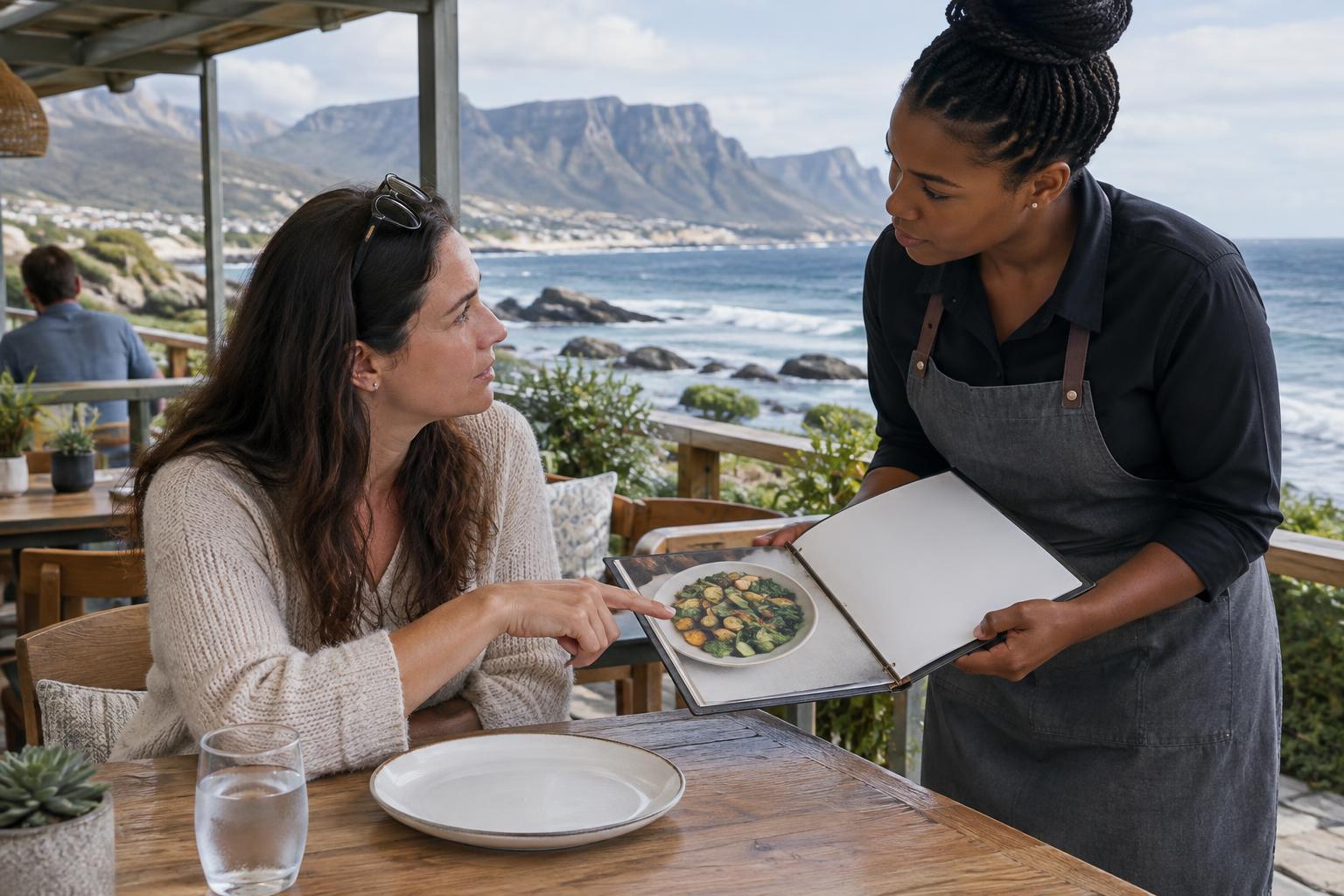
Side dishes help set the mood of a meal. Bread, rice, potatoes and crisp vegetables offer contrast to salty or smoky seafood. A squeeze of citrus or a spoonful of something tangy can lift a rich plate. If a menu names a preparation you do not recognise, asking the cook or server about it is often more rewarding than choosing the most familiar item.
Eat with curiosity and care
Availability can change, so a flexible appetite serves travellers well. Ask what the catch is, where it came from and whether the kitchen can suggest an alternative if your first choice is unavailable. Questions about sourcing need not turn lunch into an interrogation; they show interest in the people and practices behind the plate.
The most satisfying West Coast seafood meal is not necessarily the most elaborate. It might be a piece of snoek lifted from the braai or a bowl of mussels passed between friends. Give the food your attention, make room for the stories that come with it and let what is available guide your choice.