Start with the day you want
A beach that suits a long walk may not be the best place to swim, and a popular swimming beach may not offer much solitude. Decide on your main activity before choosing where to go. If your group has mixed plans, look for a beach where people can comfortably share the day: a suitable swimming area, room to walk and a place to sit out of the wind.
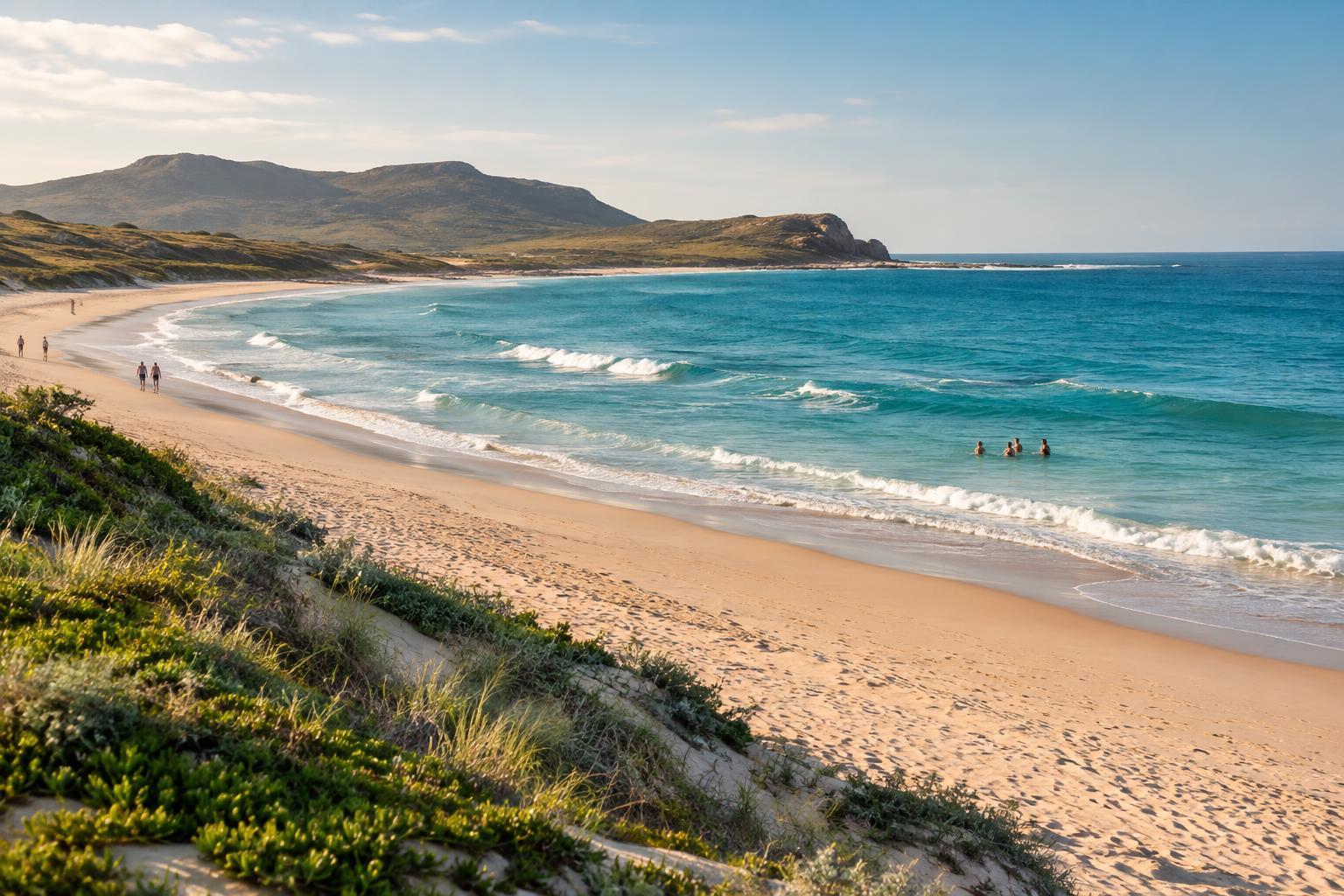
South Africa’s shoreline includes broad sandy stretches, sheltered-looking coves, rocky sections and beaches close to towns. Their character can change with wind, tide, swell and the time of day. Treat photographs and past visits as a starting point, not a promise of the conditions you will find. Check the weather and marine forecast before leaving, then be willing to change your plan when you arrive.
For swimming, put safety ahead of scenery
If swimming is the priority, first look for a beach with a designated swimming area and lifeguards on duty when you plan to visit. Confirm local operating times and any temporary restrictions rather than assuming supervision is available. Once there, follow the signs and lifeguards’ directions, and stay within the marked area. A calm-looking patch of water does not necessarily mean safe water; currents, shore breaks and changing depths can be difficult to judge from the sand.
Consider who is going into the water. Children and less confident swimmers need close supervision, even at a lifeguarded beach. Rocks, tidal pools and river mouths introduce different hazards and should not be treated as automatically safer alternatives to open water. If the sea is rough, visibility is poor or you cannot identify a suitable swimming area, make it a beach day without a swim.
For walking, think about the route back
A satisfying beach walk needs more than a long line of sand. Check whether you can reach the beach easily, whether the sand is firm enough for your group and whether rocks or river crossings interrupt the route. A walk that feels straightforward at low tide may become awkward as the water rises. Plan an out-and-back distance that leaves time and energy to return, and check tide information before setting off.
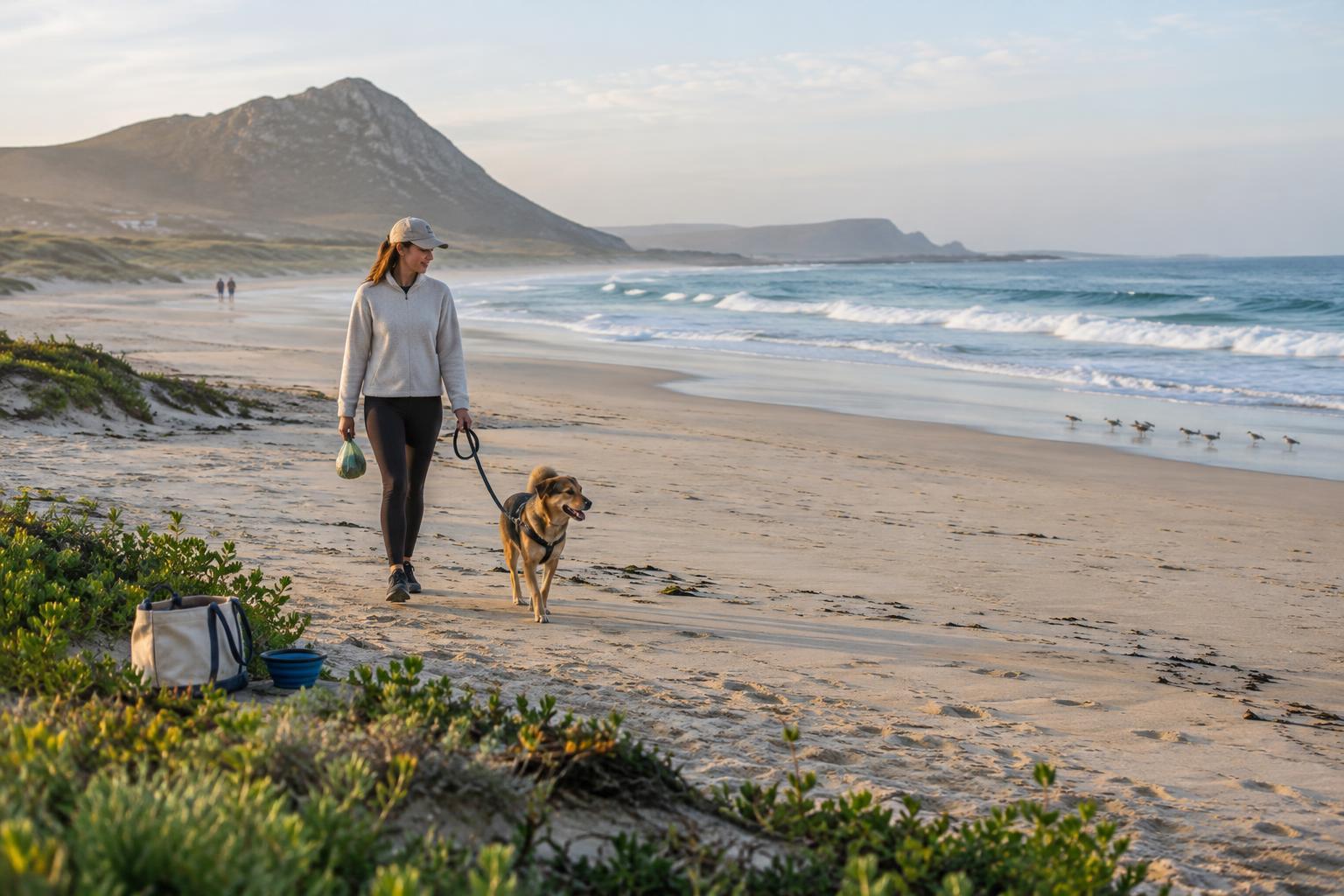
Wind and sun exposure matter on an open shore, especially when there is little shade. Carry drinking water and sun protection, and choose footwear for the surface you expect rather than for the photograph you hope to take. If you want to bring a dog, confirm the current local rules first; access and leash requirements can differ between beaches. Where dunes or vegetation border the sand, use established paths to avoid damaging fragile areas.
For a quiet day, choose comfort over isolation
A peaceful beach does not have to be remote. Going outside the busiest part of the day or choosing a less central stretch can make an outing feel calmer while keeping useful facilities within reach. Before committing to a secluded spot, consider parking, toilets, shade and the distance you will need to carry your belongings. If anyone in your group has mobility needs, check the route from the parking area to the place you intend to settle; a beach entrance may still lead to deep sand.
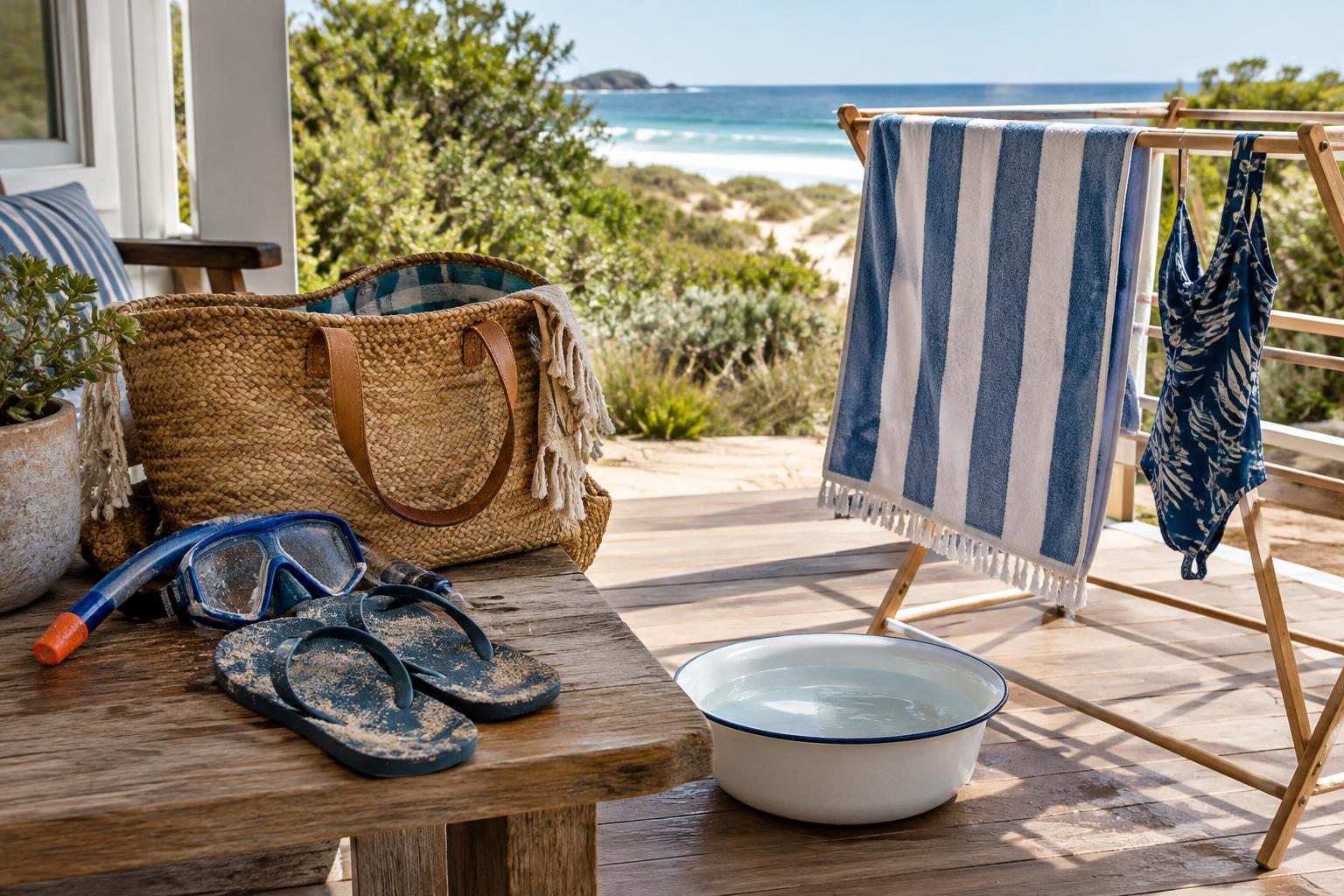
Choose a sitting spot with the tide in mind, leaving generous space between your things and the water. Bring what you need for comfort, but keep the setup manageable if conditions change. Take litter home if bins are full or unavailable, and give wildlife and other beachgoers room. Quiet is easier to enjoy when you are not worrying about an incoming tide, an exposed parking spot or a difficult journey back.
Make a final check before you leave
Narrow your options to two beaches: one that best fits the activity and a fallback with a different level of exposure or easier access. Check the forecast, tides, swimming guidance and any available notices about access or facilities close to departure. Venue details, lifeguard arrangements and local rules can change, so verify them through an appropriate local source rather than relying on an old description.
When you arrive, pause before unpacking. Look at the water, wind, beach width and signs; find the safest way in and out; and make sure the conditions still suit everyone in your group. The most useful beach plan is a flexible one. Choosing to walk instead of swim, move to another stretch or head home early can still make for a good coastal day.