Start with a flexible food budget
A coastal holiday can make every meal feel like an occasion, but eating out three times a day adds up quickly. Before you leave, decide which meals you most want someone else to prepare. You might choose a sit-down seafood lunch, for example, and keep breakfast and supper simple. This gives you something to look forward to without turning every menu into a difficult decision.
Think about what your accommodation actually provides. A kettle and fridge can support fruit, yoghurt, bread and ready-to-eat foods; a kitchen opens up more options. If you are travelling between towns, buy only what you can store and use before you move on. A small, workable plan is usually cheaper than an ambitious grocery haul that ends in waste.
Shop for ingredients, not holiday snacks
A supermarket is useful for staples, but it need not be your only stop. Depending on the town, you may also find produce shops, bakeries, informal traders or community markets. Compare prices and quality without assuming that one type of seller is always cheapest. Buying a few ripe tomatoes, fruit for the day and bread for tomorrow’s breakfast can be more useful than filling a basket with individually packaged snacks.
Build easy meals around ingredients you can reuse: bread or rolls, eggs if you can cook them, seasonal vegetables, tinned beans, cheese, fruit and a spread you enjoy. A loaf can become breakfast toast, packed sandwiches and a side for soup. Choose foods that suit your storage space and the weather; keep perishables chilled, and do not leave prepared lunches sitting in a hot car.
Make lunch your main meal when it suits you
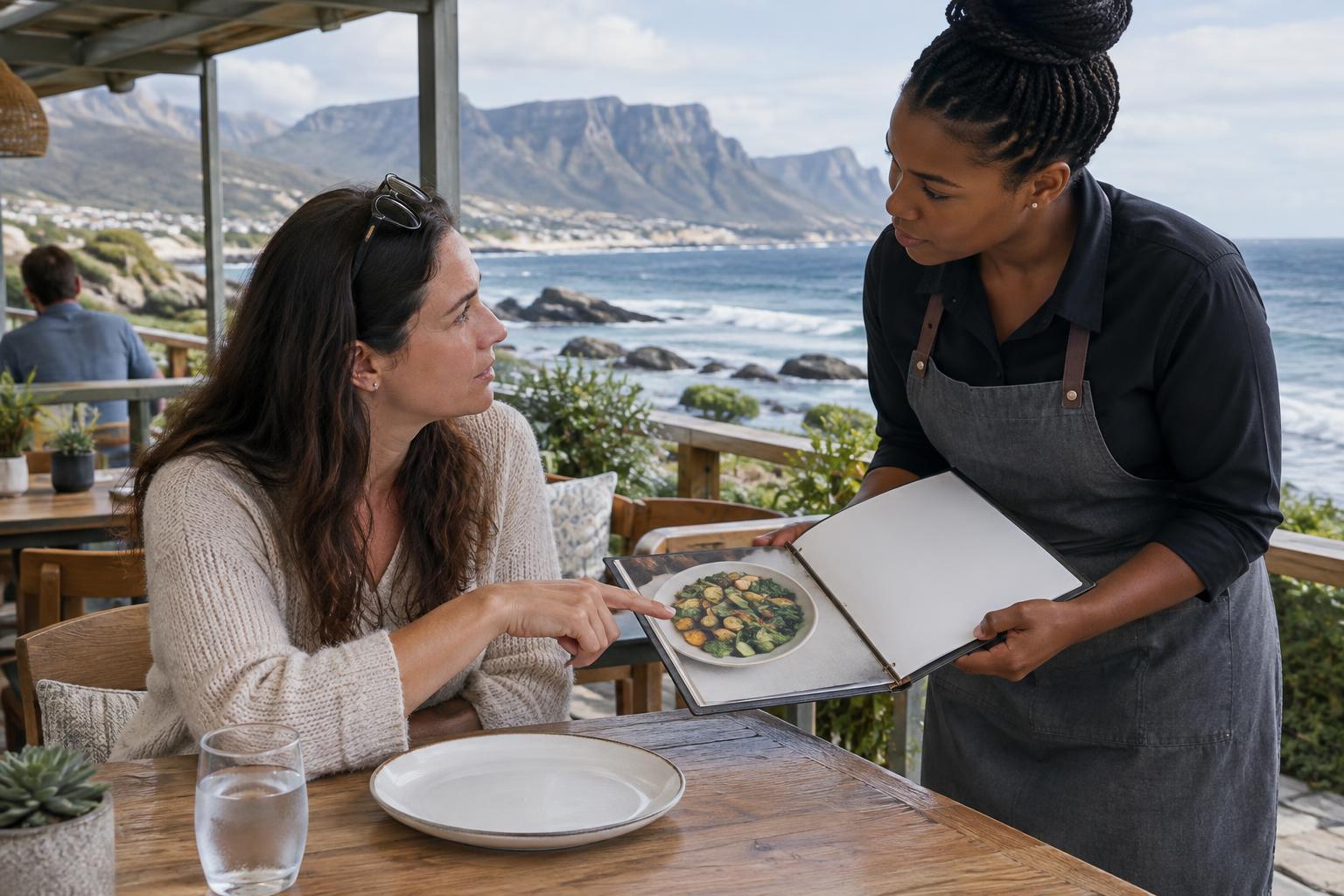
Eating out does not have to mean ordering the biggest dish at the most prominent beachfront restaurant. Look at menus before you sit down, and compare the full cost of a meal, including drinks and sides. A café special, a takeaway portion shared with a companion or a substantial lunch followed by a light supper may fit your budget better than a formal dinner.
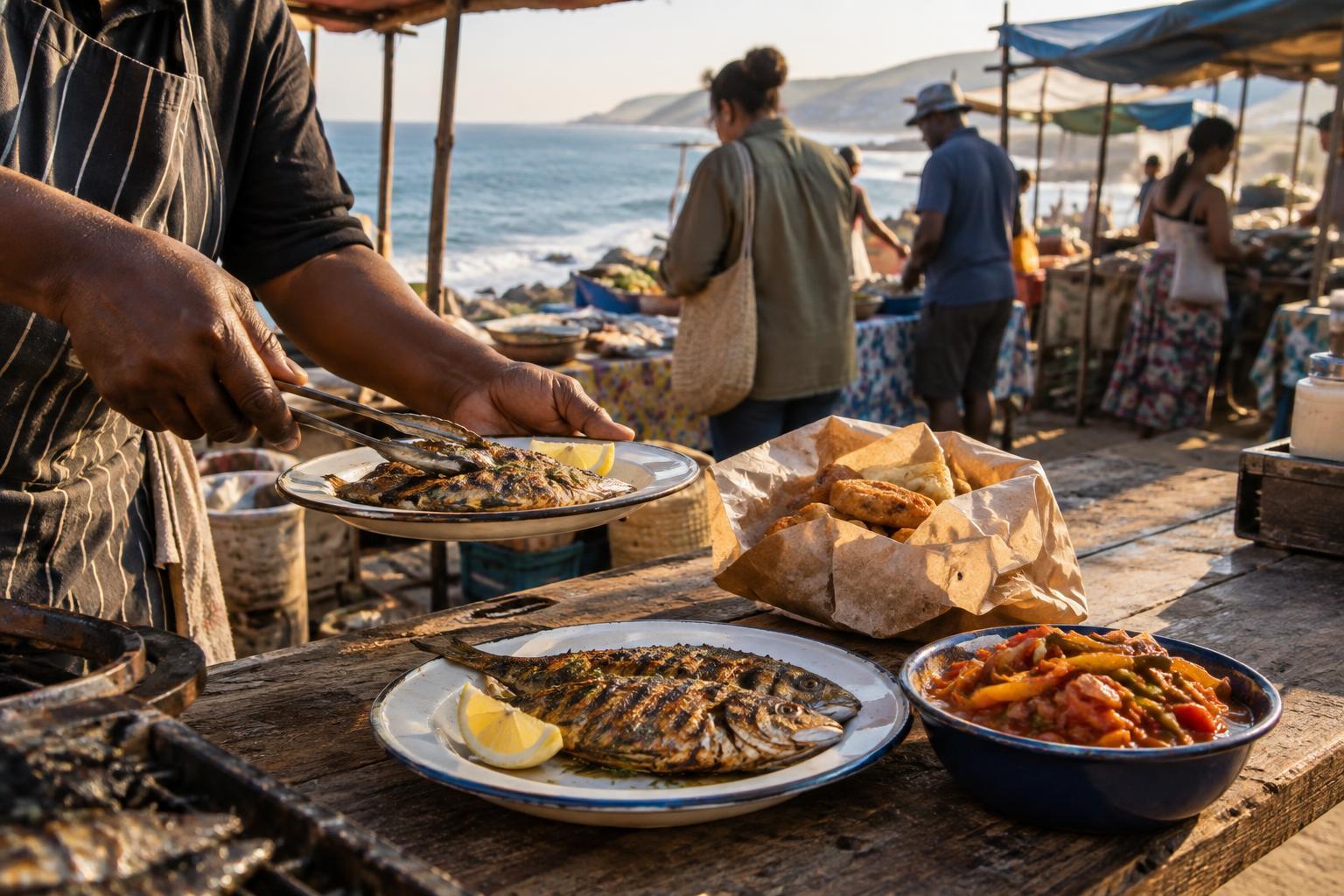
Local food culture is worth exploring beyond a single ‘must-try’ dish. Depending on where you travel, you may come across curry, grilled fish, savoury pies, vetkoek, fresh bread or other familiar favourites prepared in different ways. Ask what is available and what the portion includes. If a place is busy, give staff time to explain the options rather than assuming that an unfamiliar item is inexpensive or suited to your tastes.
Enjoy seafood without making it the whole budget
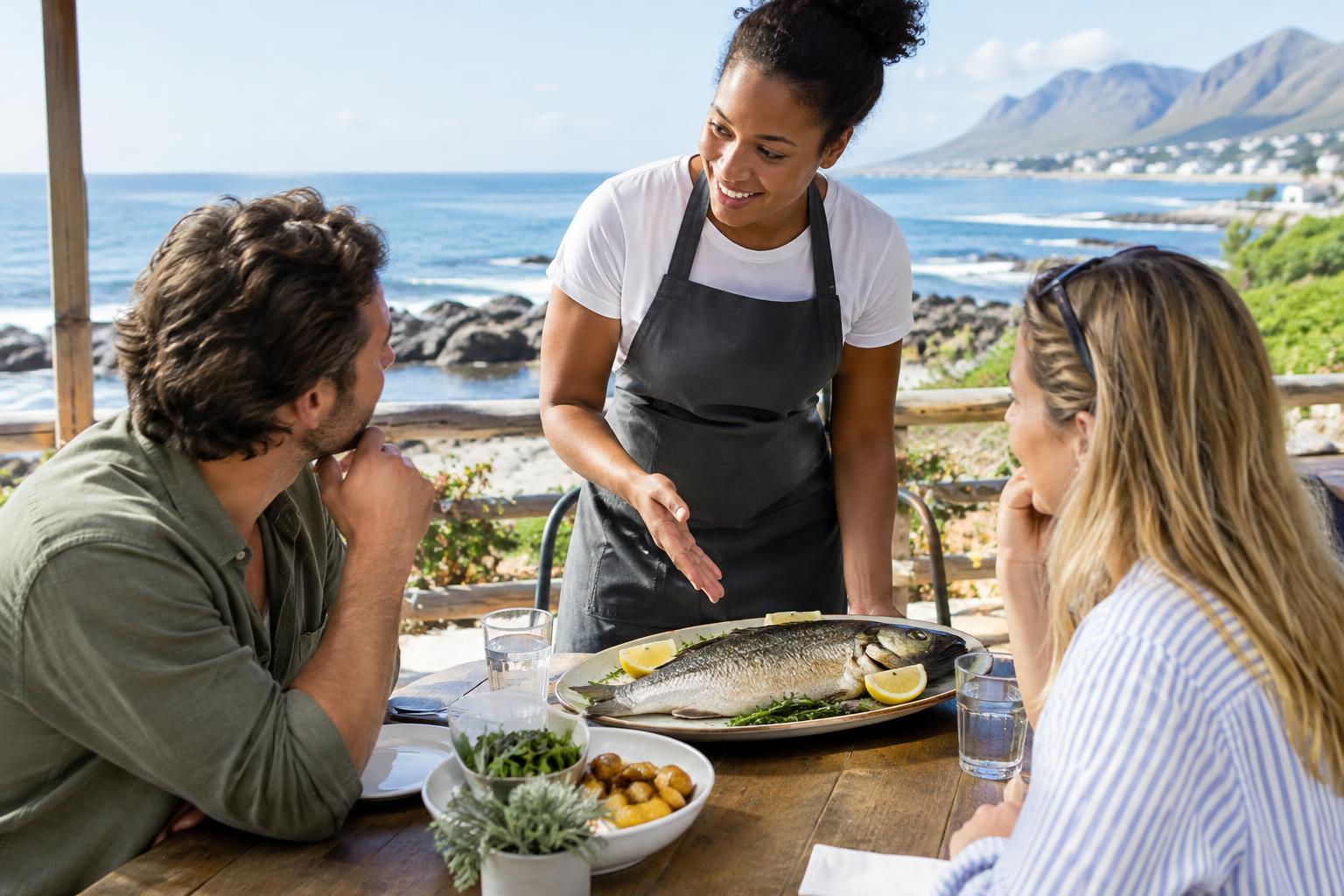
Seafood can be a highlight of a coastal trip, but prices and availability vary. Check the price and portion size before ordering, especially when a menu says an item is priced by weight or according to availability. A simpler preparation, a smaller serving or a shared dish can still feel special. If you are buying fish to cook, make sure you have the equipment and refrigeration to handle it safely.
It is also worth asking what fish is being served rather than relying on a broad label such as ‘line fish’. Species, sourcing and suitable choices can vary, so avoid assuming that every locally offered option is automatically a responsible one. If the answer is unclear, there is no need to force a seafood purchase. A good vegetable dish or another local favourite can be just as satisfying.
Pack for the beach, then spend with intention
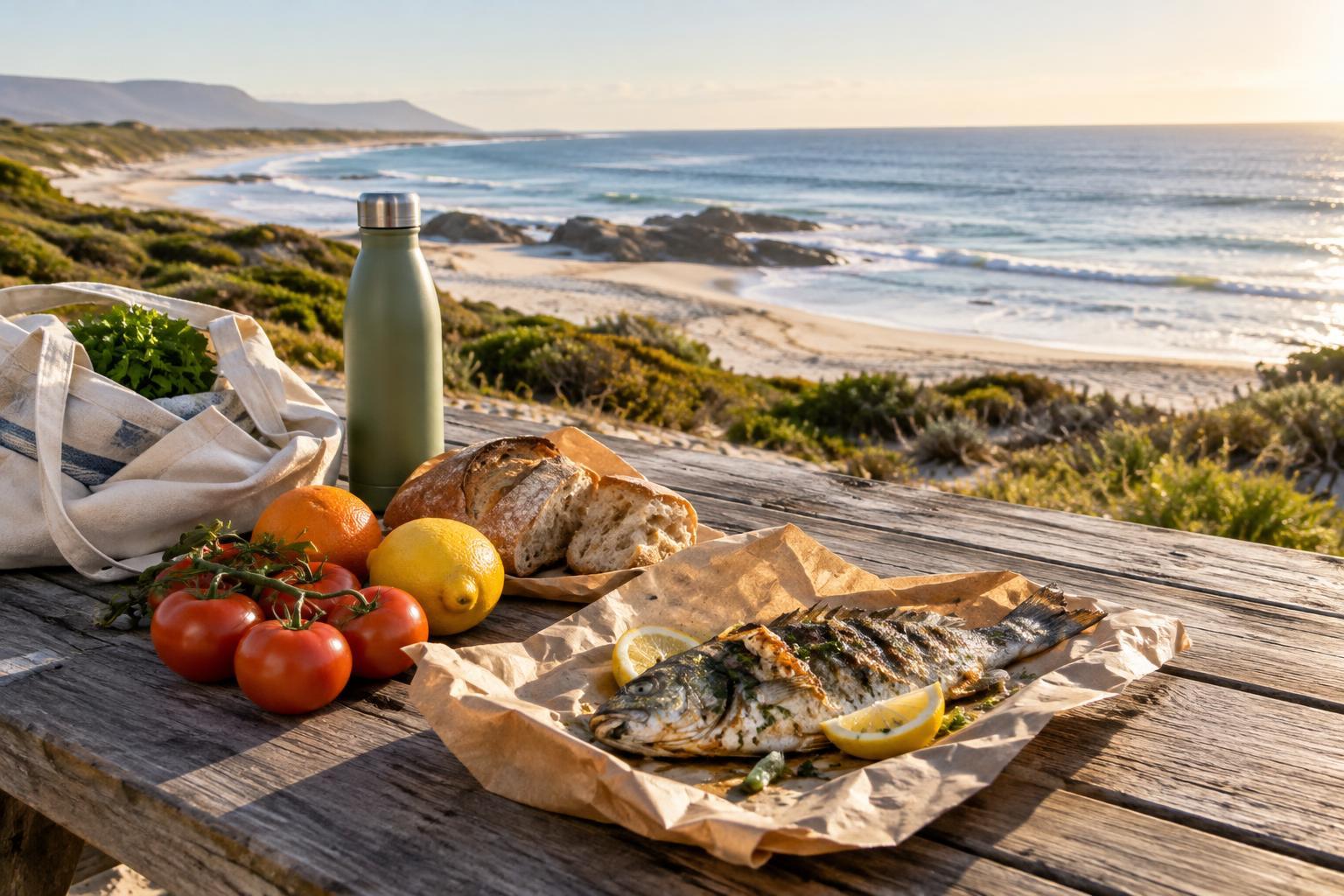
Beach-day hunger often leads to rushed, expensive choices. Carry drinking water, a few filling snacks and a simple lunch if you can keep it fresh. Refillable bottles and reusable containers make packing easier and reduce the loose packaging you need to manage on a windy day. Check beach rules before cooking or lighting a fire; where a braai is permitted, allow for the cost of fuel, equipment and cleanup as well as food.
Leave a little flexibility for the pleasures you discover on foot: a bakery stop, an ice cream or a meal at a small local business. Budget eating is not about choosing the cheapest thing every time. It is about spending less on forgettable convenience purchases so you can enjoy food that adds something to your coastal stay. Opening hours, menus and access can change, so confirm practical details before making a special journey.