Start with the place, not a list of stops
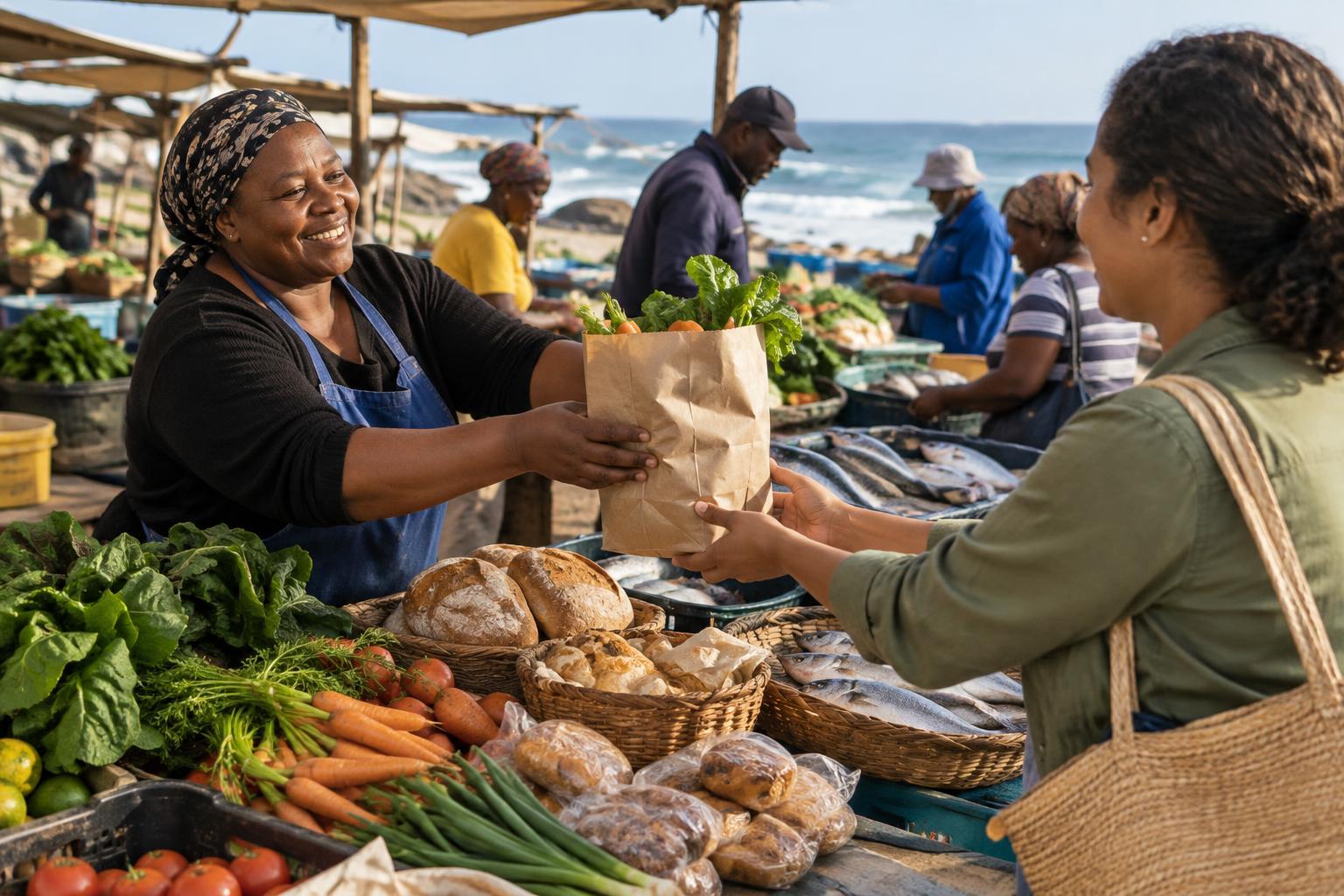
A food market can be a useful introduction to a coastal town: it may bring together growers, fishers, bakers, cooks and neighbours in one space. But the most prominent market in a travel search is not necessarily the most locally rooted. Before choosing where to eat, get a feel for the area you’ll be visiting. Is it a small fishing settlement, a busy holiday town or a suburb where residents shop throughout the week? That context helps you look beyond a single visitor-focused strip.
Ask your accommodation host, a nearby independent shop or a local tourism office where residents buy prepared food and produce. Keep the question open: “Is there a market with local traders that visitors can shop at?” is more useful than asking for a hidden gem. Recommendations are starting points, not guarantees. A place may be worth visiting even if it is modest, seasonal or not especially photogenic.
Check who runs the market and what is sold
Market names and seaside settings do not always tell you much about who benefits from a visit. Look for information about the organiser and the traders. A locally run market might be managed by a community group, a collective of vendors or a small local business; each can offer a worthwhile experience. If trader names or product descriptions are available, notice whether they point to food made or grown in the area rather than only goods brought in for visitors.
Once there, take a slow first lap. Seasonal produce, baked goods, preserves, cooked dishes and seafood can all lead to good conversations, but there is no need to quiz every seller about provenance. If it matters to your choice, ask a simple, specific question such as where an ingredient comes from or whether the dish is made by the stallholder. Buy what appeals to you at the stated price, and respect a vendor’s answer if they are too busy to chat.
Understand what a community kitchen is before visiting
“Community kitchen” can describe very different spaces. Some prepare affordable meals for the public; others run cooking projects, support families or serve people facing food insecurity. A kitchen that appears in a local recommendation is not automatically a place for travellers to tour, photograph or drop into for lunch. Treat its purpose and the privacy of the people using it as more important than your itinerary.
If a kitchen publicly invites customers, volunteers or supporters, follow the invitation as written and contact the organisers if the details are unclear. Ask whether visitors are welcome, whether a booking is needed and what form of support is actually useful. For a kitchen focused on providing meals, buying food may not be an option; an organiser may prefer a contribution, a specific item or simply that you leave the service uninterrupted. Do not arrive with unsolicited food or equipment.
Verify the practical details before setting out
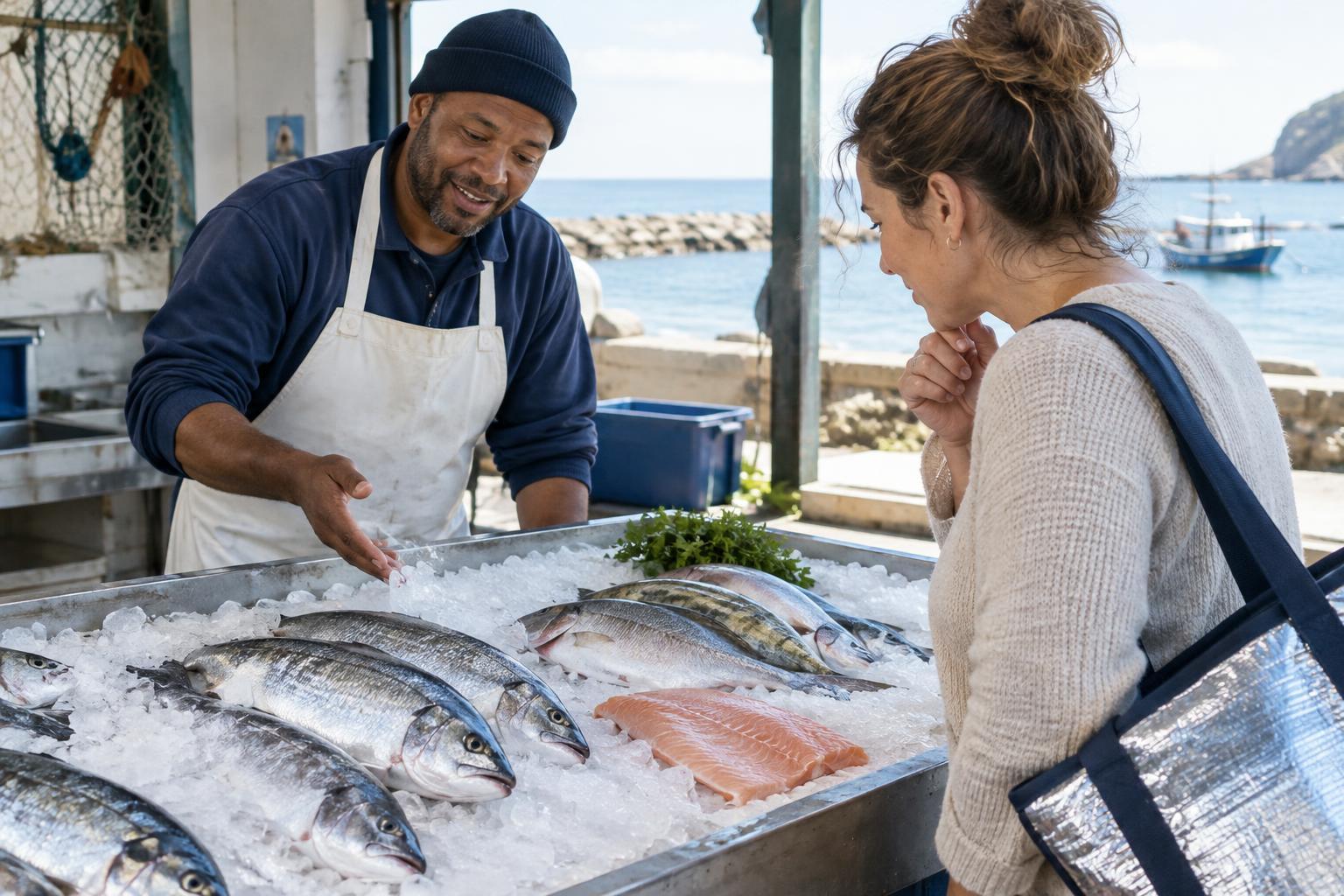
Coastal plans often depend on timing. A market may operate only on certain days, and a kitchen’s public service may differ from its work behind the scenes. Check the organiser’s own recent information where possible, then confirm directly if a special trip depends on it. Ask about opening hours, payment methods, accessibility and whether food is available to take away or eat on site. If you hope to buy seafood, remember that offerings can vary; plan a flexible meal rather than counting on a particular catch.
Build a little room into your day. Bring a reusable bag, some water and a way to keep perishable purchases cool if you will be out for hours. Where a trader accepts cash or card, use whichever method works for them. If you have dietary needs, ask about ingredients and preparation rather than assuming a stall can accommodate them. These small checks make a relaxed visit more likely for you and for the people serving you.
Be a guest, not an observer
Food spaces are workplaces and gathering places, not just travel backdrops. Ask before photographing a stall, a cook or anyone sharing a meal. Keep walkways clear, wait your turn and avoid turning a conversation into an interview when a trader has customers. If a dish or ingredient is unfamiliar, curiosity is welcome; treating it as a novelty is less so. A friendly question and an unhurried purchase often make for a better exchange than a camera-first visit.
You can carry that care beyond the market. Choose a meal you will finish, follow local guidance on waste, and pass along accurate practical details if someone later asks for a recommendation. If a community kitchen has welcomed your support, describe its work only in the terms its organisers use publicly. The aim is not to collect the most stops, but to eat well while making room for the people who keep a coastal food culture going.