Look beyond the seafood sign
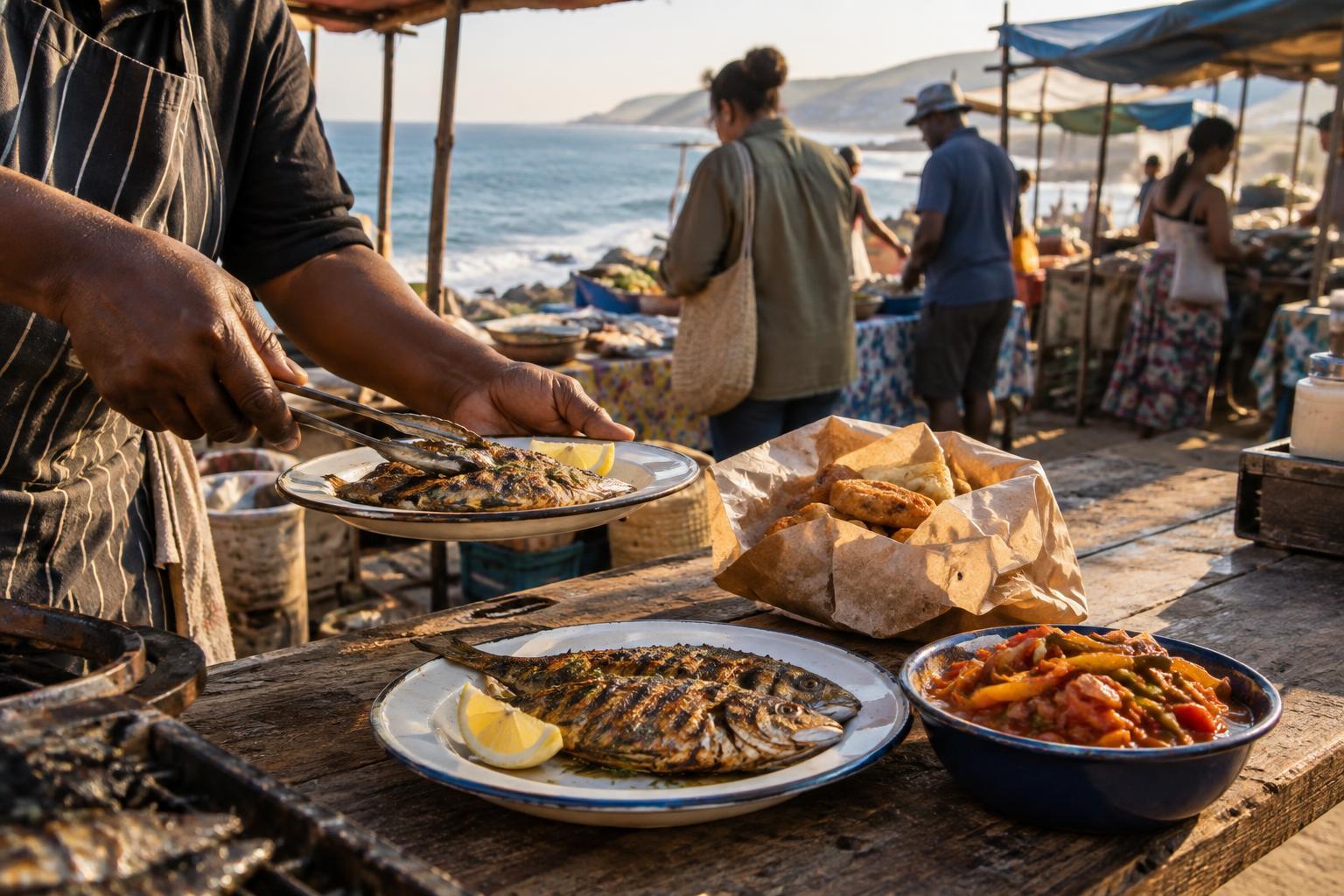
In a coastal town, the most visible restaurants may advertise fresh fish, prawns and calamari. That can make a vegetarian meal seem hard to find, especially when you are hungry after a beach walk. Start by widening the search: cafés, bakeries, pizza places and restaurants with mixed menus may offer more choice than a specialist seafood spot. A fish restaurant can still be worth considering, but check its full menu rather than assuming its sides will make a satisfying meal.
In South Africa, familiar options to look for include vegetable curries, bean dishes, toasted sandwiches, salads, pizzas and breakfasts served beyond the morning rush. What is available will differ from town to town and kitchen to kitchen. A menu posted online is a useful starting point, not a promise that every dish will be available when you arrive.
Ask what makes the dish vegetarian
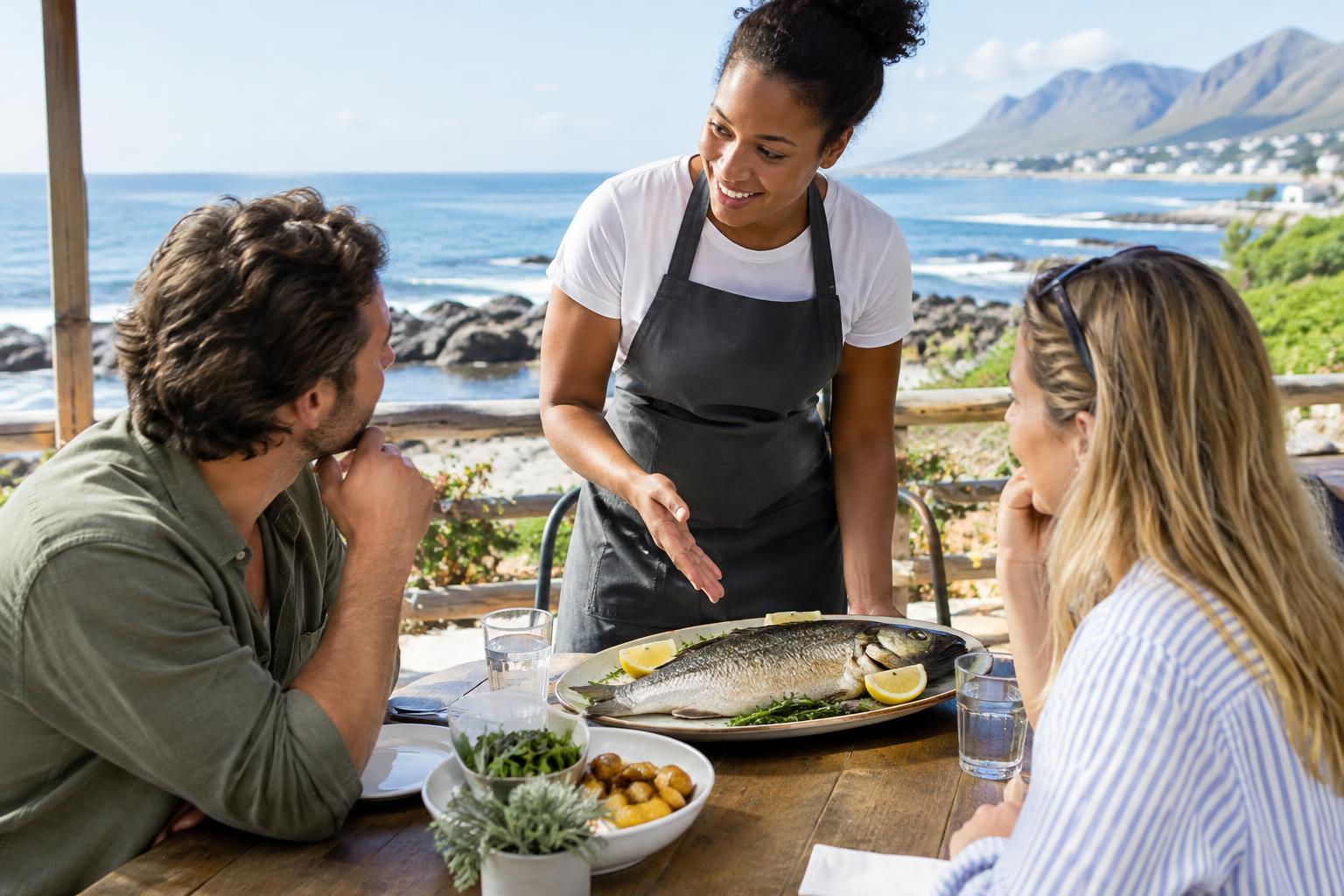
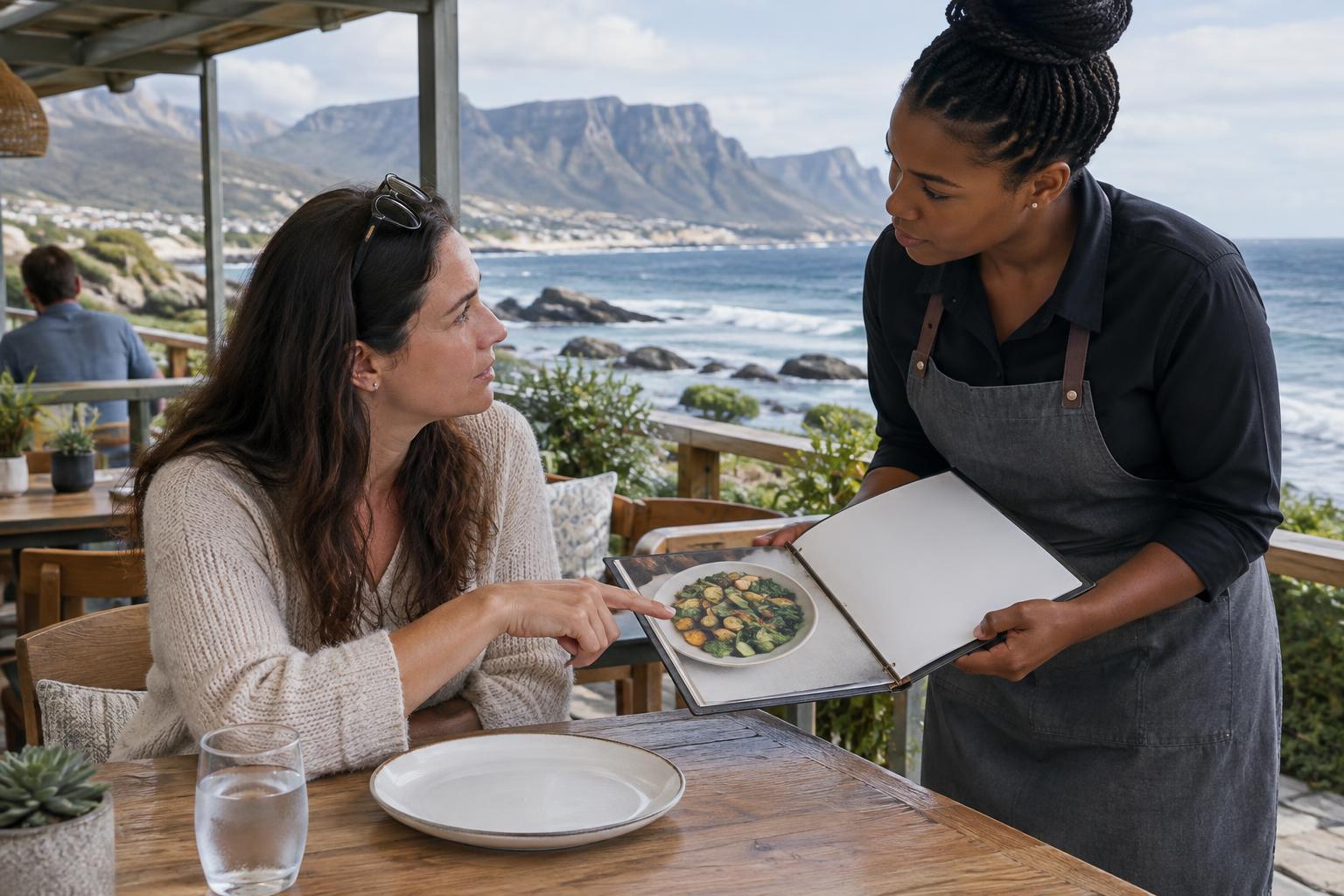
Menu labels are helpful, but a short conversation can reveal details that are easy to miss. A vegetable soup might use meat stock; a sauce might contain fish; and a salad may arrive with bacon, anchovies or a seafood dressing. If the description is unclear, ask a specific question such as, “Is the stock vegetable-based?” or “Can this be made without the fish sauce?” Specific questions are usually easier for staff to answer than a broad request for anything vegetarian.
It also helps to say what you do eat. Vegetarian can mean different things to different diners: some eat eggs and dairy, while vegans avoid both. If shared cooking equipment, allergens or strict avoidance of animal ingredients matters to you, explain that separately rather than relying on a vegetarian label. Staff may need to check with the kitchen, and not every kitchen can accommodate every request.
Build a meal, not just a plate of sides
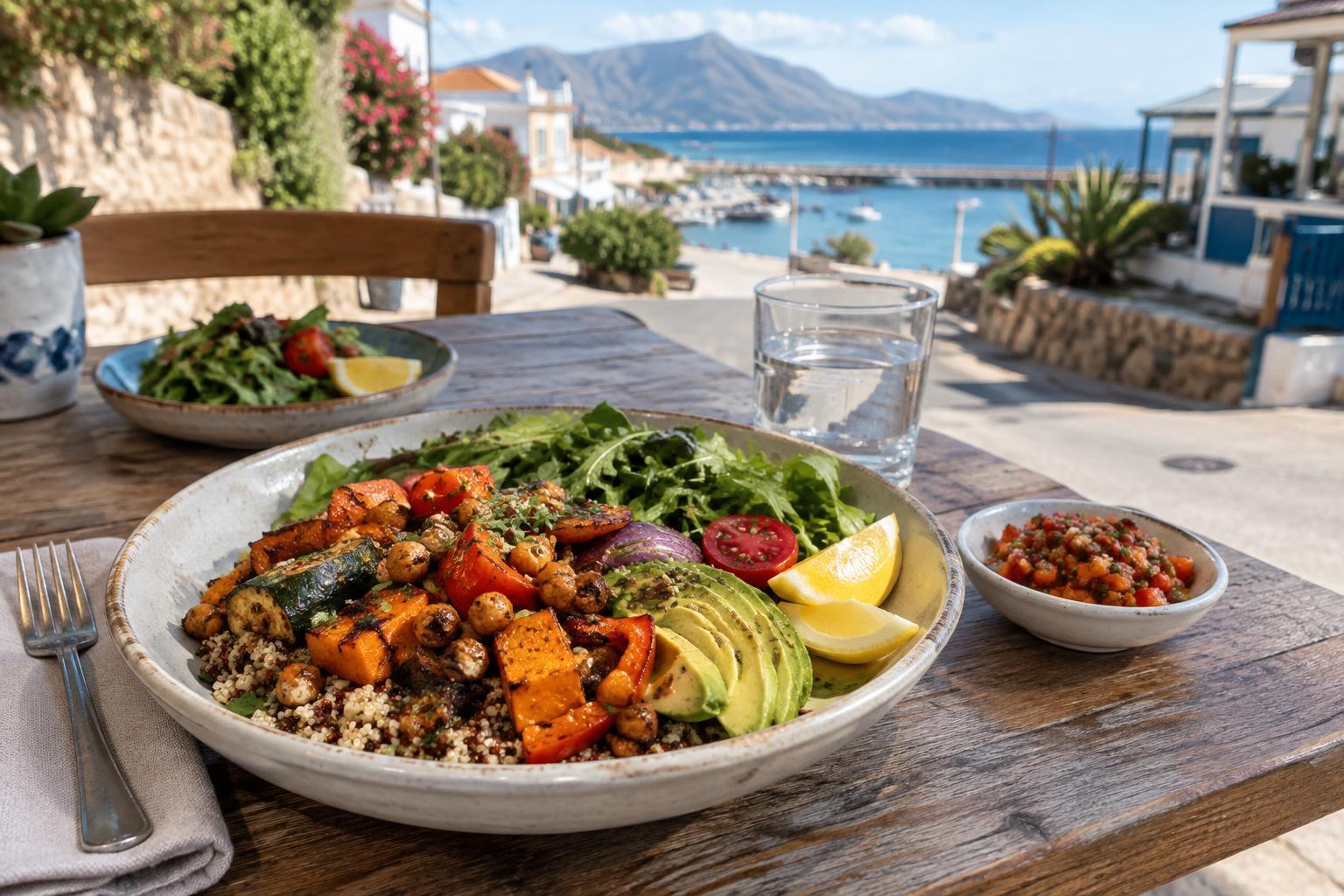
When the vegetarian section is small, look across the menu for a combination that feels like lunch or dinner. A baked potato with vegetables, a substantial salad with beans or cheese, or a pizza with a side salad may work better than ordering several small portions of chips. Ask whether a dish can be prepared without meat or seafood, but keep the request simple. Removing the central ingredient from a seafood dish may leave little behind, whereas adding vegetables or beans to an existing option may be easier for the kitchen.
Local produce can make a simple meal memorable. Seasonal fruit, vegetables, bread, preserves and baked goods are worth noticing at markets and small shops, particularly if you have access to a kitchen where you are staying. Shop hours and market days can change, so confirm them before making a special trip.
Plan around the rhythm of a coastal day
Finding food is easier before everyone is tired and hungry. Scan a few menus while planning your route, and save a backup option near your accommodation or the next stop. If a town has limited dining choices, consider buying picnic ingredients earlier in the day. Bread, fruit and a filling spread can turn a beach break into an enjoyable meal, provided you can keep anything perishable at a safe temperature.
It is sensible to check opening hours, current menus and whether reservations are needed before setting out. Smaller kitchens may have shorter service periods or change dishes according to what they can prepare that day. If you are visiting with a group, choosing a place with both vegetarian and seafood options can spare everyone a last-minute search.
Keep the conversation relaxed and respectful
A friendly, clear request often goes further than an elaborate order. If staff suggest a dish, confirm the ingredients that matter to you and thank them for checking. If the answer is uncertain, choosing something simpler or eating elsewhere is reasonable; you do not have to guess about what is in your meal. Equally, a small restaurant may not be able to redesign a dish during a busy service.
Seafood is part of the appeal for many visitors to the coast, but it is only one part of a town’s food culture. Taking time to explore its cafés, markets, bakeries and home-style dishes can lead to a more varied trip. The best approach is a flexible one: plan enough to avoid being stuck, ask enough to order confidently, and leave room for an appealing find along the way.