Start with the story you want to explore
South Africa’s shoreline invites slow days on the sand, but it also holds stories of working harbours, fishing communities, migration, maritime travel and changing relationships with the coast. A museum or heritage stop can give context to the places you pass on the way to the beach. It need not turn a holiday into a packed educational tour: one well-chosen visit can add depth to an otherwise easygoing day.
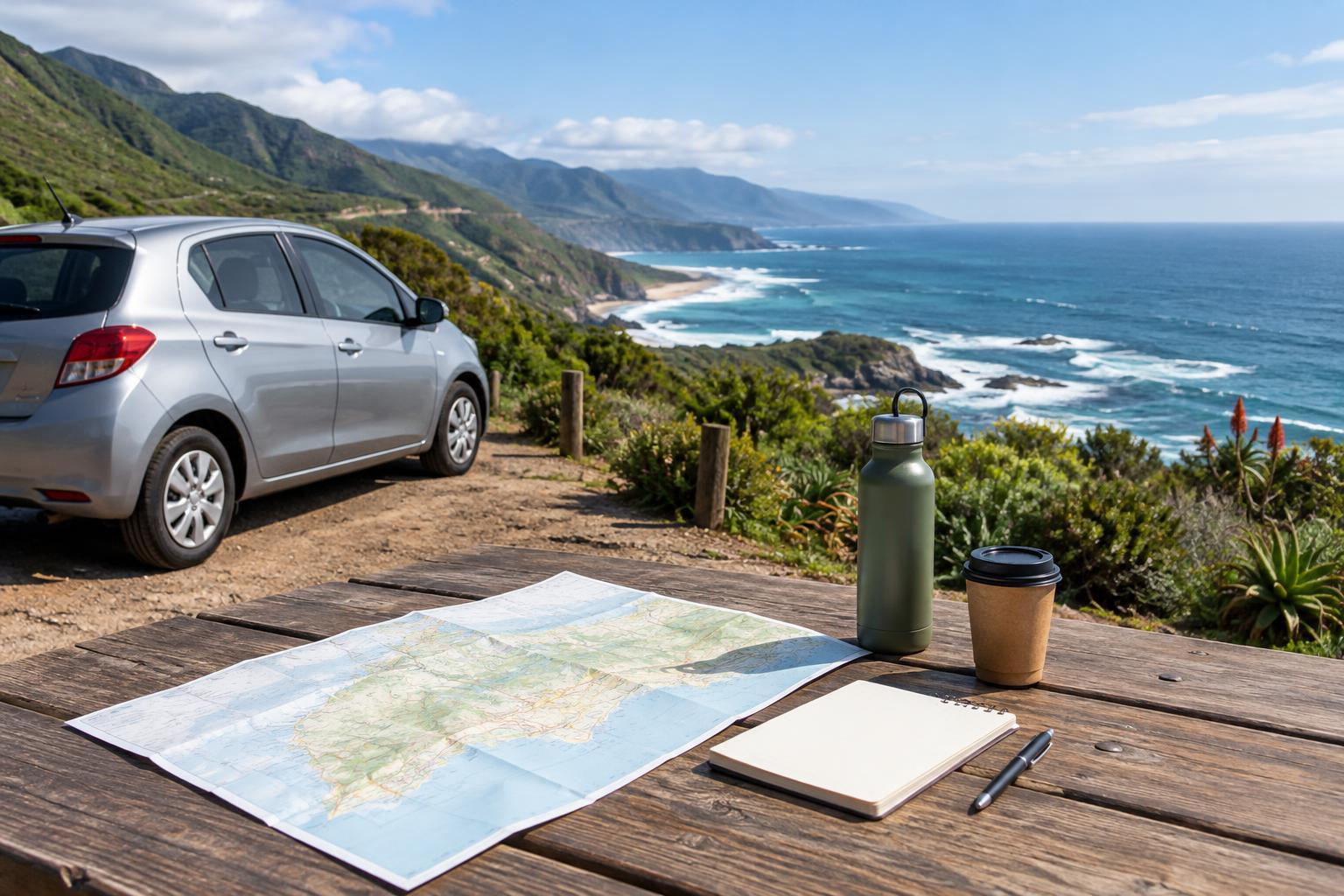
Begin by looking at the area where you plan to stay. A local museum, historic precinct, lighthouse setting, cultural centre or guided heritage walk may offer a different perspective on the same stretch of shore. Choose a stop that connects with your interests rather than trying to see everything. If you are travelling with others, ask what they would enjoy: objects and photographs, architecture, a walk outdoors, or stories shared by a local guide. That answer will help you pick a visit everyone can look forward to.
Build the visit around the coast, not against it
A heritage stop works best when it has room to breathe. Instead of squeezing it between several distant beaches, pair it with one nearby activity: a waterfront walk, a relaxed lunch or an afternoon swim. Leave time to follow a question raised by an exhibit or to notice the surrounding streets and shoreline. The aim is not to cover the greatest distance but to understand one place a little better.
Coastal conditions can also shape the order of your day. If you hope to swim or spend time in the sun, you might put a museum visit during the hottest part of the day and save the beach for later. An outdoor heritage trail may suit a milder period, provided conditions are comfortable and the route is open. Have a flexible alternative for poor weather or an unexpected closure; a change of plan is easier when your schedule is not tightly timed.
Before setting out, confirm opening hours, admission arrangements, tour requirements and access directly with the venue or relevant managing body. Check whether photography is permitted and whether the site has steps, uneven ground or limited facilities. Details can change, so even a place you have visited before deserves a fresh check when planning a new trip.
Look beyond the exhibition room
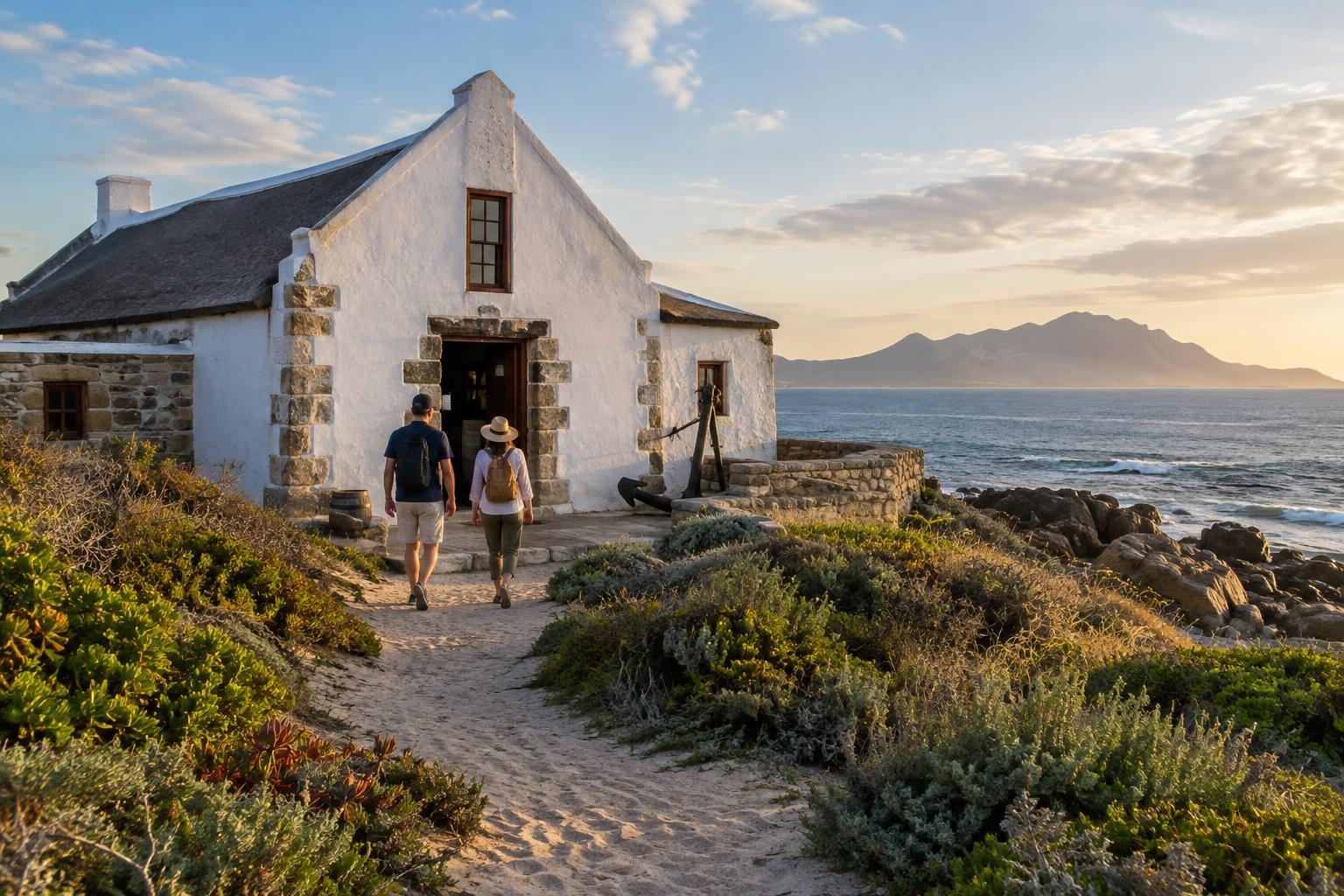
Some of the most rewarding coastal heritage experiences involve the landscape around a site. A harbour wall, old building or viewpoint can prompt questions about how people travelled, worked and made homes beside the sea. Take time to read available interpretation, then look at the present-day surroundings. What uses continue? What appears to have changed? Holding both in mind can make a short stop more memorable than a hurried tour.
It is also worth making space for more than one account of a place. Coastal histories may include difficult experiences as well as celebratory ones, and a single display cannot tell every story. Pay attention to whose voices are presented and how they are credited. Where tours or community-led projects are available, they may offer perspectives that add to what you can see on your own. Approach those experiences as a guest: listen, ask considered questions and avoid treating people’s everyday lives as exhibits.
Make the stop comfortable for your travel group
For families or mixed-age groups, a short, focused visit is often more enjoyable than a long checklist. Pick one theme to notice together, such as boats, coastal buildings or the ways people gathered food from the sea. Invite children to choose a detail they want to remember, then talk about it during a snack break. If someone prefers not to spend much time indoors, agree on a meeting point and allow for different paces where it is safe to do so.
Carry the ordinary essentials for a coastal day: drinking water, sun protection and a layer for changing conditions. Comfortable shoes matter if a site includes paths, stairs or rough surfaces. Plan a pause before or after the visit, especially if you will be walking. A café or picnic can give everyone a chance to reflect without making the outing feel like a lesson.
Leave with a fuller sense of place
A thoughtful heritage visit should enrich your beach day, not compete with it. Take only photographs where they are allowed, stay on marked routes and respect requests not to enter sensitive spaces. If a site asks visitors to book, join a guided group or follow particular rules, treat those arrangements as part of caring for the place and the people connected to it.
At the end of the day, ask what you now notice about the coast that you might otherwise have missed. Perhaps it is the shape of a building, the activity around a harbour or the names used for local landmarks. Let that observation guide your next walk or conversation. One carefully chosen stop can make a seaside itinerary feel less like a list of attractions and more like time spent getting to know a place.