Check UV as well as the weather
A bright, breezy beach can feel cooler than a sheltered street, but a sea breeze does not make the sun less intense. Before heading to the coast, check the forecast UV Index alongside temperature, wind and rain. The index describes the expected strength of ultraviolet radiation at the surface: the higher the number, the more carefully you should plan time outdoors.
As a simple guide, 0–2 is considered low, 3–5 moderate, 6–7 high, 8–10 very high and 11 or above extreme. These ranges are useful for planning, not a promise of how the day will feel. UV can still be significant when it is cloudy or cool, and conditions may change while you are out. If your forecast shows high or very high UV, treat sun protection as part of the itinerary rather than something to think about after arriving.
Choose a time and place that give you options
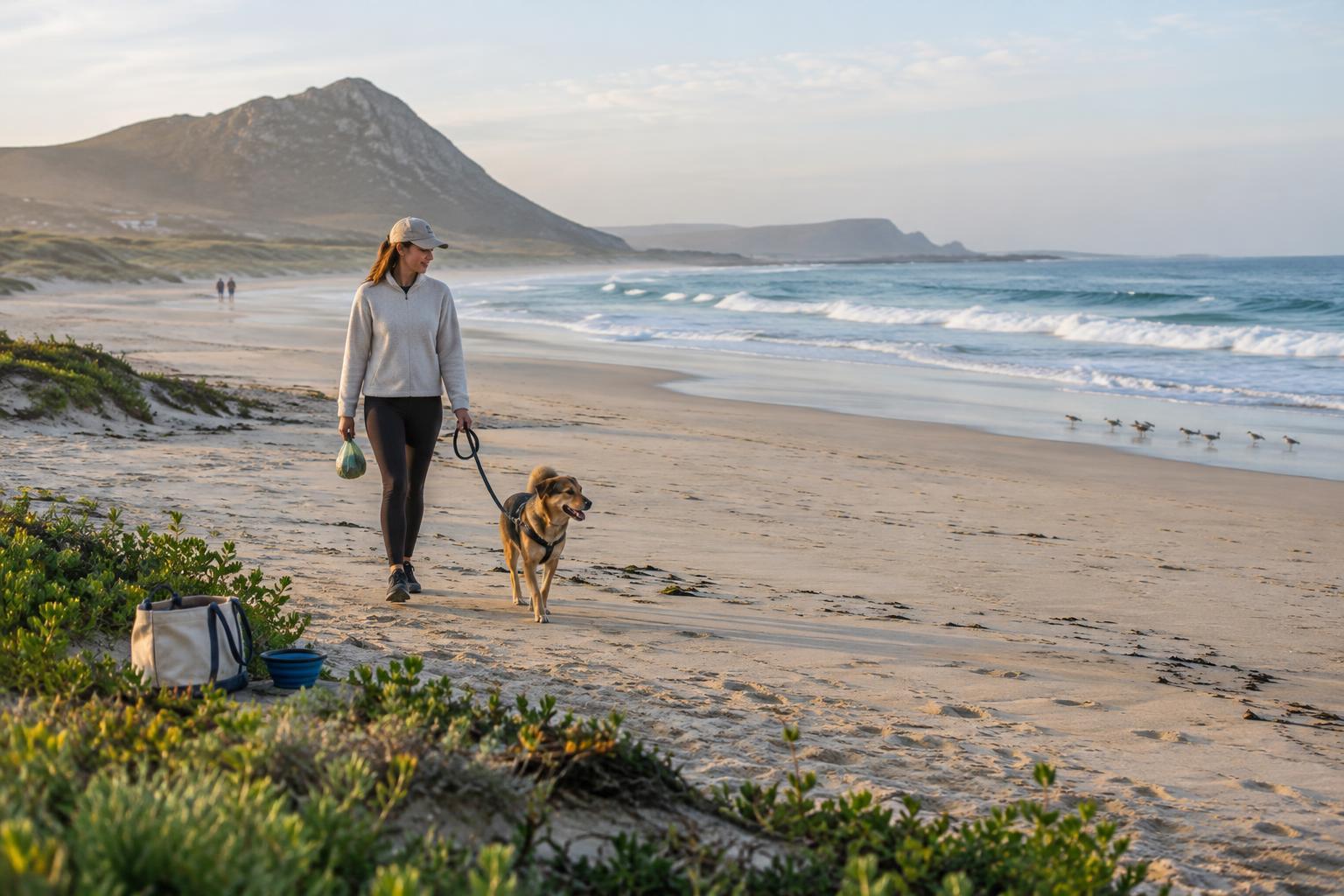
UV levels often rise towards the middle of the day and ease later on. For a long beach visit, consider arriving earlier or going later, especially when the forecast UV Index is high. If midday is the only practical time, plan a shorter stretch on the open sand and make space for breaks under reliable shade. A beach walk, picnic or swim does not need to happen all at once.
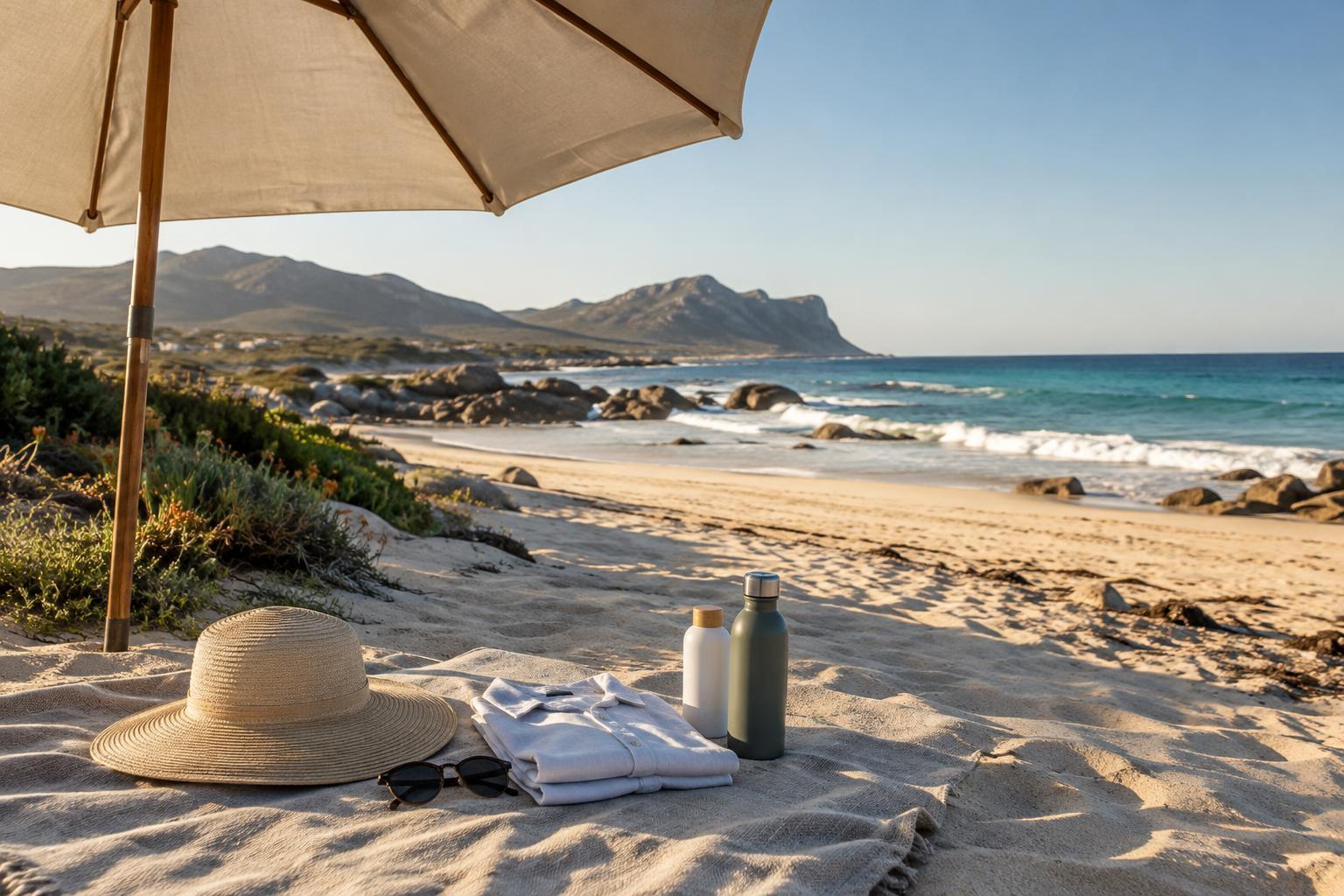
Look at the beach layout before packing. Trees, buildings and cliffs may cast shade, but that shade can move or disappear as the sun shifts. A portable umbrella or other suitable shelter gives you more control, provided it can be secured safely in the wind. Shade reduces direct exposure, though light reflected from sand and water can still reach you. Pair it with clothing and sunscreen rather than relying on it alone.
Build protection into what you pack
Pack a broad-brimmed hat, sunglasses that provide UV protection and clothing that covers exposed skin without making the day uncomfortable. A lightweight long-sleeved shirt or swim top can be useful when you expect to spend hours near the water. Clothing is particularly handy for children or for anyone who would otherwise need to keep track of many exposed areas.
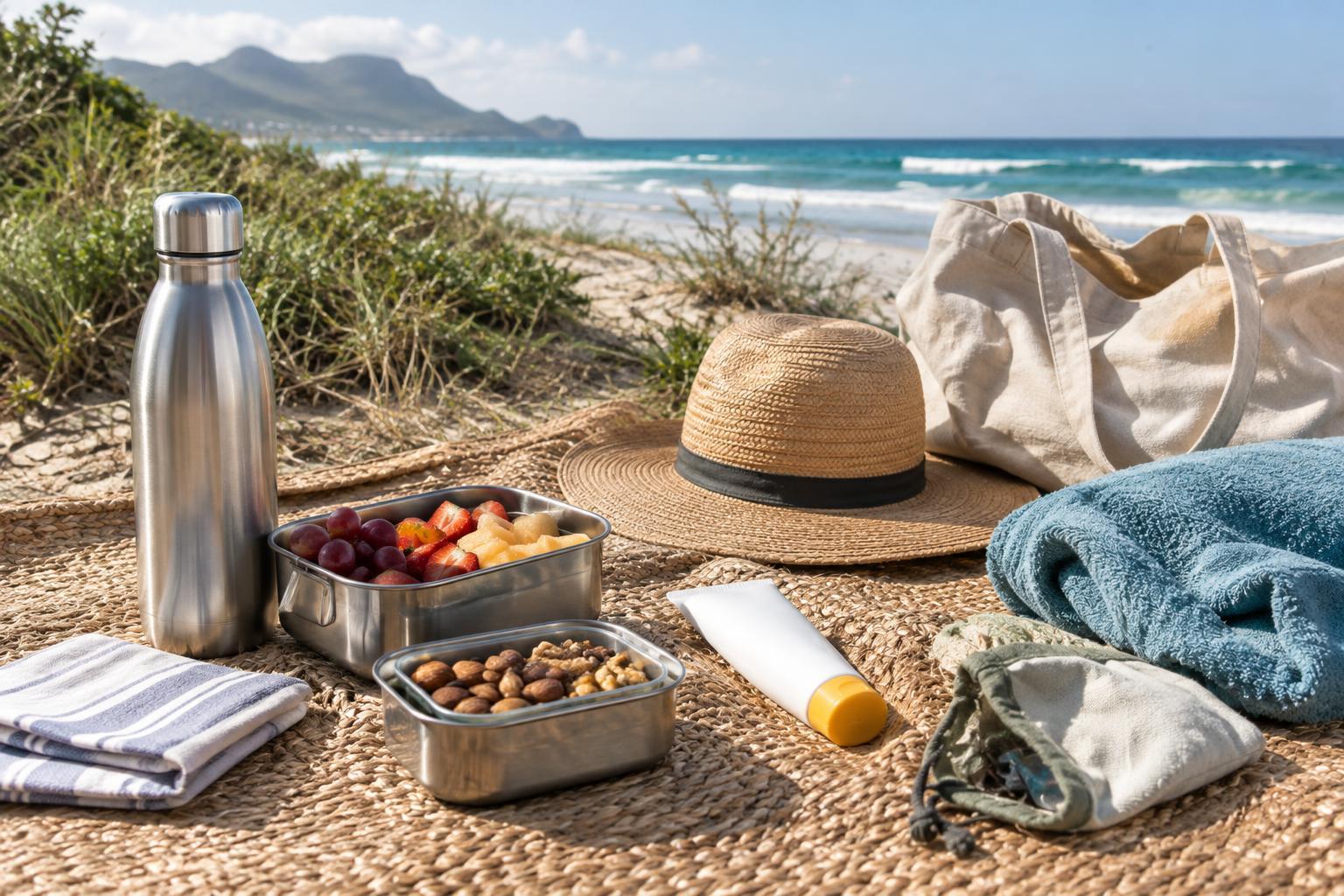
For skin left uncovered, choose a broad-spectrum sunscreen suited to your activities and follow its label for application and reapplication. Put it on before settling into the day so easy-to-miss places, such as ears and the backs of legs, are not forgotten. Swimming, towelling off and sweating can affect coverage, even with a water-resistant product. Keep the sunscreen accessible instead of burying it at the bottom of the beach bag.
Adjust the plan once you are there
A UV forecast is a starting point, not a fixed schedule. If the clouds clear, your shade shifts or the group decides to stay longer, revisit the plan. Move a meal or a rest into the shade, change into a covering layer, or take a break from the beach. Do not use how hot your skin feels as the only signal to act; wind and water can make strong sun feel deceptively pleasant.
Think about the whole outing, including the walk from parking, a queue for food and the trip home. Those minutes outdoors add up, particularly when a beach visit turns into an afternoon exploring the shoreline. Keeping hats, sunglasses and cover-ups close at hand makes it easier to stay consistent without interrupting the relaxed pace of the day.
Make a flexible beach-day routine
A useful routine is straightforward: check the UV forecast, pick a time with manageable exposure, confirm where you can find or bring shade, and pack layers and sunscreen before leaving. Once at the beach, notice when conditions or plans change and adjust accordingly. The aim is not to avoid every sunny moment; it is to make the enjoyable parts of a coastal day easier to sustain.
For South Africa’s varied shoreline, no single packing list or timetable fits every beach. Wind, available shade and the activities you choose all matter. Let the UV level guide your choices, then give yourself the flexibility to shorten an exposed walk, take a shaded lunch break or save another swim for later in the day.