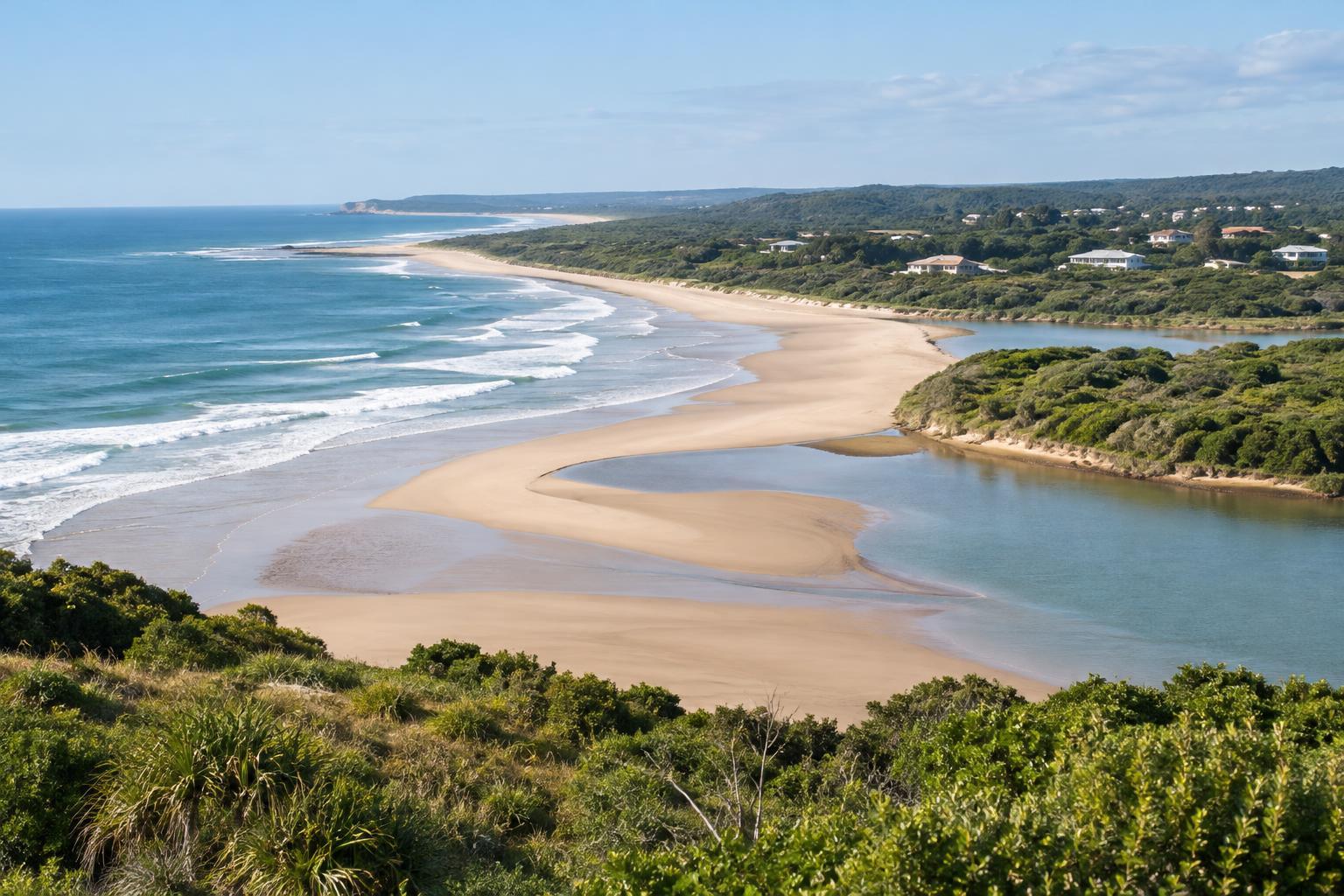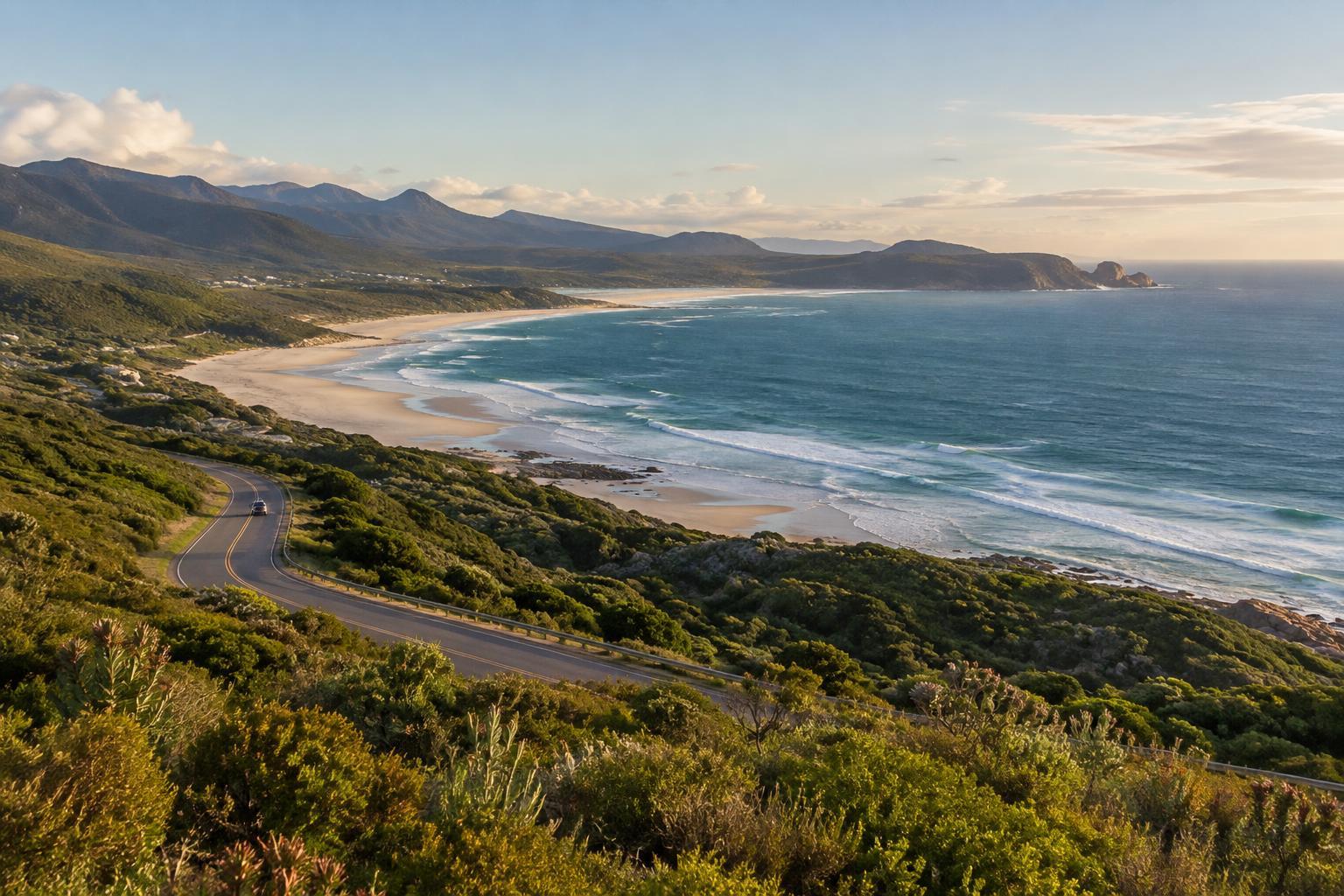
Plan in travel days, not map kilometres
South Africa’s Wild Coast rewards a slower itinerary. Places that appear close together on a map may be separated by winding roads, inland detours or a long final approach from a main route. A distance estimate is useful, but it does not tell you how much of the day you will spend driving, stopping or finding your accommodation.
Start with the experiences you most want: perhaps a beach walk, a village stay or a few quiet days near the water. Then choose a small number of overnight bases rather than trying to sleep somewhere new every night. For each move between bases, look at the full route, including the last stretch to your destination. Ask your accommodation for directions and a realistic travel-time estimate, and leave room for an unhurried arrival.
Treat a long transfer as the day’s main activity. If you reach your next stop early, you have gained time to explore; if the drive takes longer than expected, you will not be racing a tightly packed schedule.
Check the approach to each stop
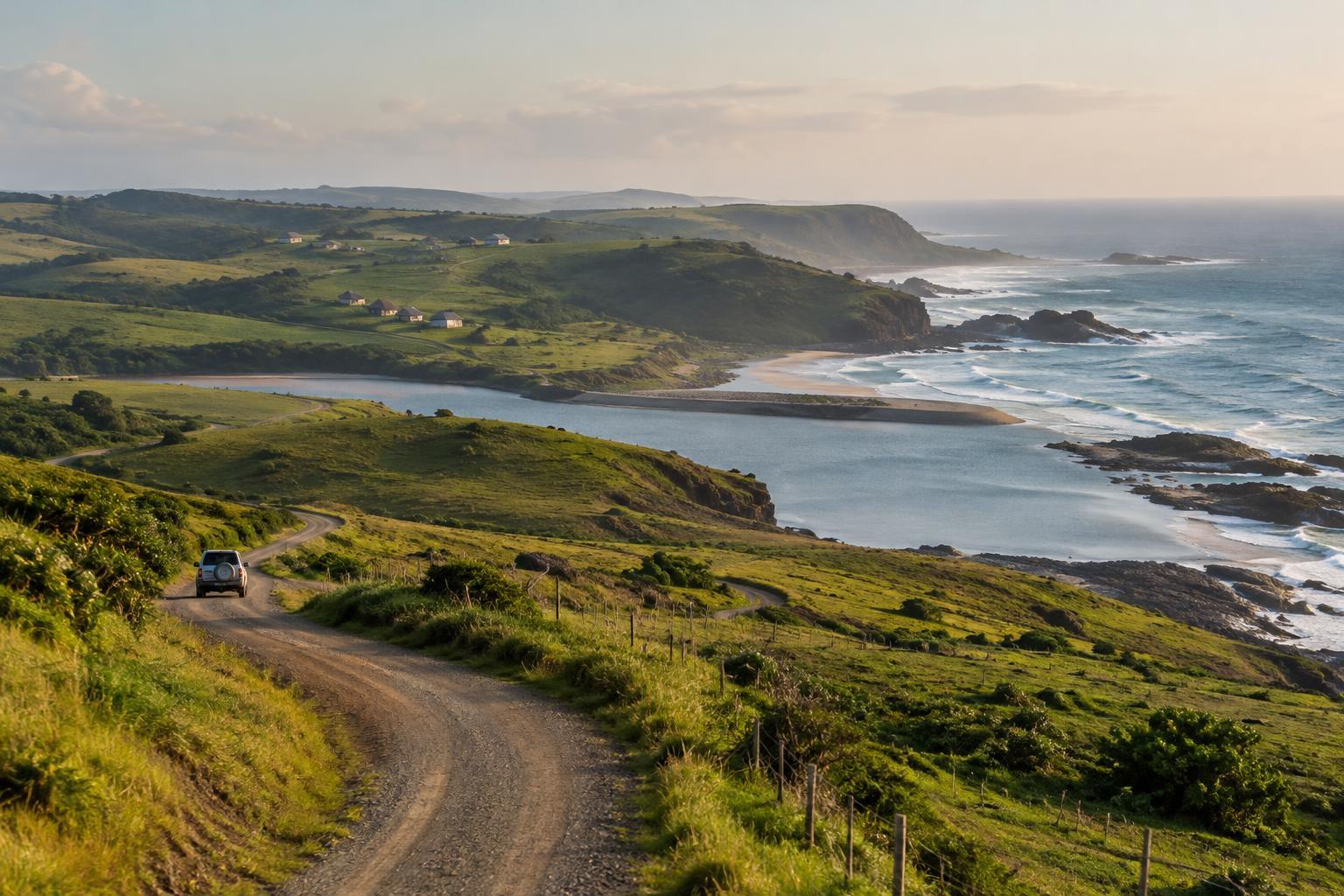
The road to a coastal destination may differ from the road shown in a broad regional overview. Before setting off, confirm which approach your host recommends, whether any section is unpaved, and whether your vehicle is suitable for the route in the conditions you might encounter. Road surfaces and access can change, especially after heavy rain, so check again close to your travel day.
Download maps for offline use, but do not rely on a map app alone to choose the final turn. Save your host’s directions and contact details where you can find them without a signal. If you are unsure at a junction, stop somewhere safe and ask for clarification rather than following an unfamiliar track simply because it looks shorter.
Aim to finish unfamiliar drives in daylight. It makes turnoffs easier to identify and gives you more time to respond if a route is slower than planned. If your arrival will be late, arrange that with your accommodation in advance.
Build a buffer for basic services
Limited services do not mean travelling without comfort; they mean being deliberate about where you replenish supplies. Identify likely fuel stops along each driving leg and avoid running your tank low before a remote final approach. Carry drinking water and simple food for the journey, particularly if you plan to stop for walks or viewpoints along the way.
Before booking, ask what your accommodation provides and what you should bring. Self-catering kitchens, meals, shops, card payments and mobile reception can vary from place to place. Having some cash for small purchases may be helpful, while a charged phone, vehicle charger and saved booking details make communication easier. Check that essential medication and personal items are packed before leaving a larger service centre.
Make these checks part of your itinerary rather than a last-minute shopping list. A short stop to refuel and stock up before turning toward the coast can protect an entire afternoon from avoidable errands.
Give coastal activities their own time
A beach, lookout or walking route can be the reason for the trip, yet reaching it may take more time than the map suggests. Keep activity days separate from demanding transfer days where possible. This leaves space to ask about local access, arrange a guide if appropriate, and turn back without feeling that you have lost the day.
Conditions matter as much as distance. Weather can affect roads and visibility, while tides and river conditions can affect some coastal walks. Check locally before setting out, especially where a route involves a crossing or an isolated stretch. Do not assume that a crossing will be safe because it appears on a map or because someone else has used it.
A flexible plan also lets you enjoy the small stops: a long lunch, a view from the roadside or an extra hour at the beach. Those pauses are easier to appreciate when they are not competing with a distant check-in.
Use a simple plan for each day
For every travel day, note your starting point, destination, preferred route, fuel stop and latest comfortable arrival time. Add a backup: where could you pause, call ahead or stay longer if weather or road conditions change? You do not need to schedule every hour. The point is to know which parts of the day are fixed and which can bend.
Before departure, reconfirm accommodation access, road advice and any planned activity with people who know the area. Then keep the itinerary light enough to absorb a slow drive. On the Wild Coast, leaving space between destinations is not wasted time; it is what makes the journey feel like a holiday.