Start with the place, not the menu
Before buying food, decide where and when you hope to eat. A shaded promenade bench calls for different packing than a long walk to an exposed beach. Think about how far you will carry everything, whether you will have a stable place to sit and how easily wind might scatter wrappers or napkins. Check local rules and current access details before setting out; not every stretch of coast permits the same activities.
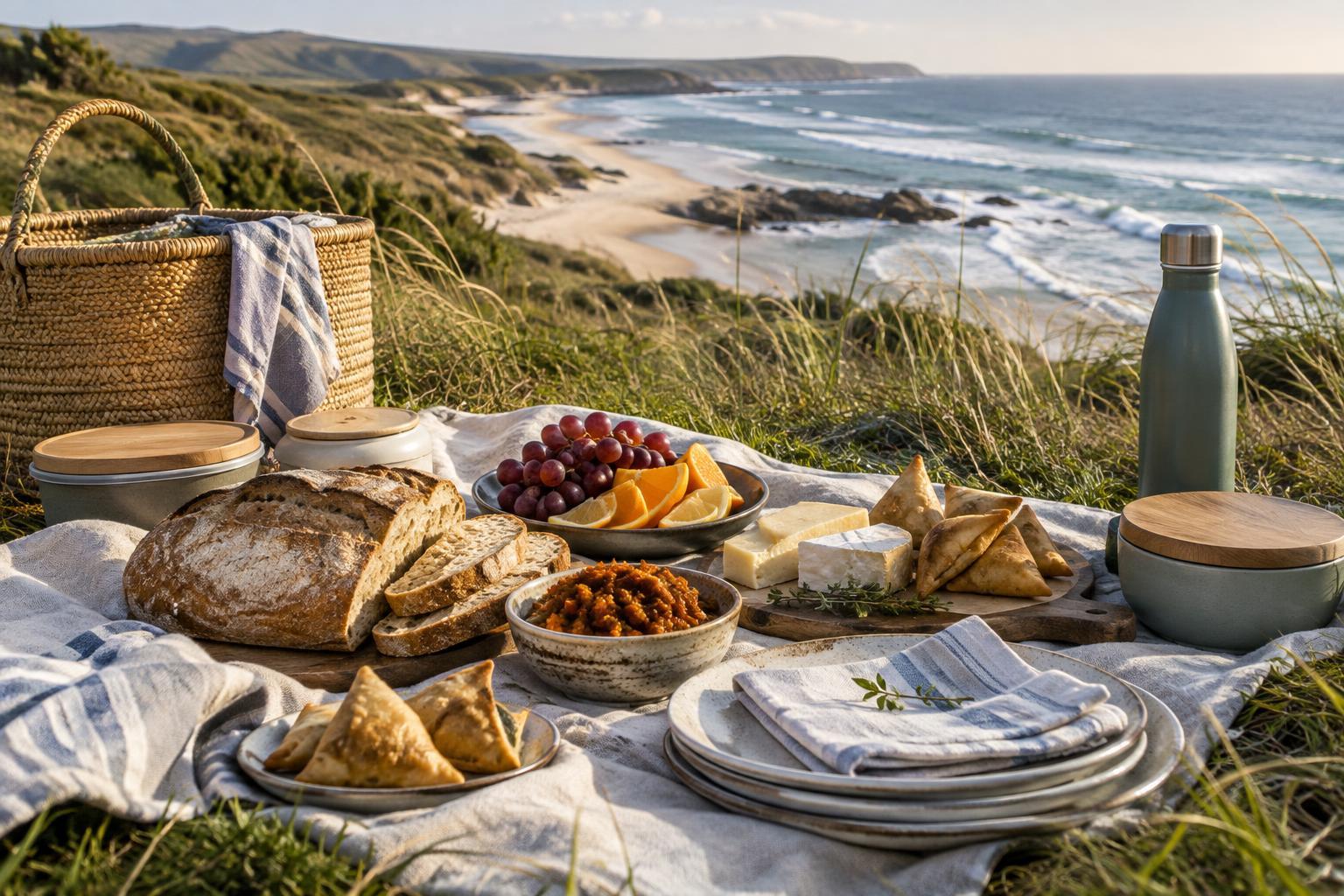
Build the picnic around food that is easy to serve and eat. A loaf or a few rolls, a spread, fruit and one or two savoury items can be more satisfying than a bag full of snacks that need plates and cutlery. If several people are coming, ask about preferences before shopping. It is easier to accommodate different tastes with a few separate components than with one large prepared dish.
Shop for variety without making a complicated meal
A bakery, greengrocer, neighbourhood shop or food market may offer enough for a picnic in one short stop. Consider bread or rolls, fruit that travels well, and something crunchy such as carrots or cucumbers. Add a savoury filling that suits your group and your cooler space. Depending on what is available, that might be cheese, a prepared vegetable dish or cooked food bought shortly before you eat.
Let the selection reflect the place without treating every item as a regional speciality. Ask what was made on site, what is in season or what a vendor recommends for eating without reheating. Those questions can lead to a good choice even when you do not recognise everything on the counter. Buy an amount your group can finish, especially if you will be travelling without a reliable way to keep leftovers cold.
Pack for heat, wind and sandy hands
Keep foods that need chilling in a cooler bag with cold packs, and plan to eat them while they are still properly cold. If you cannot keep a perishable item chilled, choose something more suitable for the journey instead. Pack drinks separately if people will open that bag often. A sealed container can protect bread from being crushed, while small reusable containers keep toppings from soaking into it before lunch.
On the coast, simple serving choices make a difference. Cut foods at home or before you leave your accommodation rather than balancing a knife on a towel. Pack a cloth or small mat as a clean surface, along with drinking water, hand-cleaning supplies and a bag for rubbish. Containers with secure lids are especially useful on breezy days. Bring only the utensils you need, then check that you have collected them before leaving.
Make room for the food experience
A picnic does not need an elaborate spread to feel connected to a destination. Take time to notice the texture of a fresh roll, the fruit you found at a nearby shop or a condiment that someone in your group chose to try. Serve unfamiliar foods alongside familiar ones so everyone can find something they enjoy. If a label or ingredient list is important for dietary reasons, check it before you reach your picnic spot.
It can also be enjoyable to remember where you found a favourite item and return another day to try something else. A brief note about a bakery or a photograph of a shop sign may be more useful than trying to remember details later. If those notes inspire you to make a personal food journal, browse Small Site Workshop as a next stop for thinking about a small site of your own.
Leave the coast ready for the next visitor
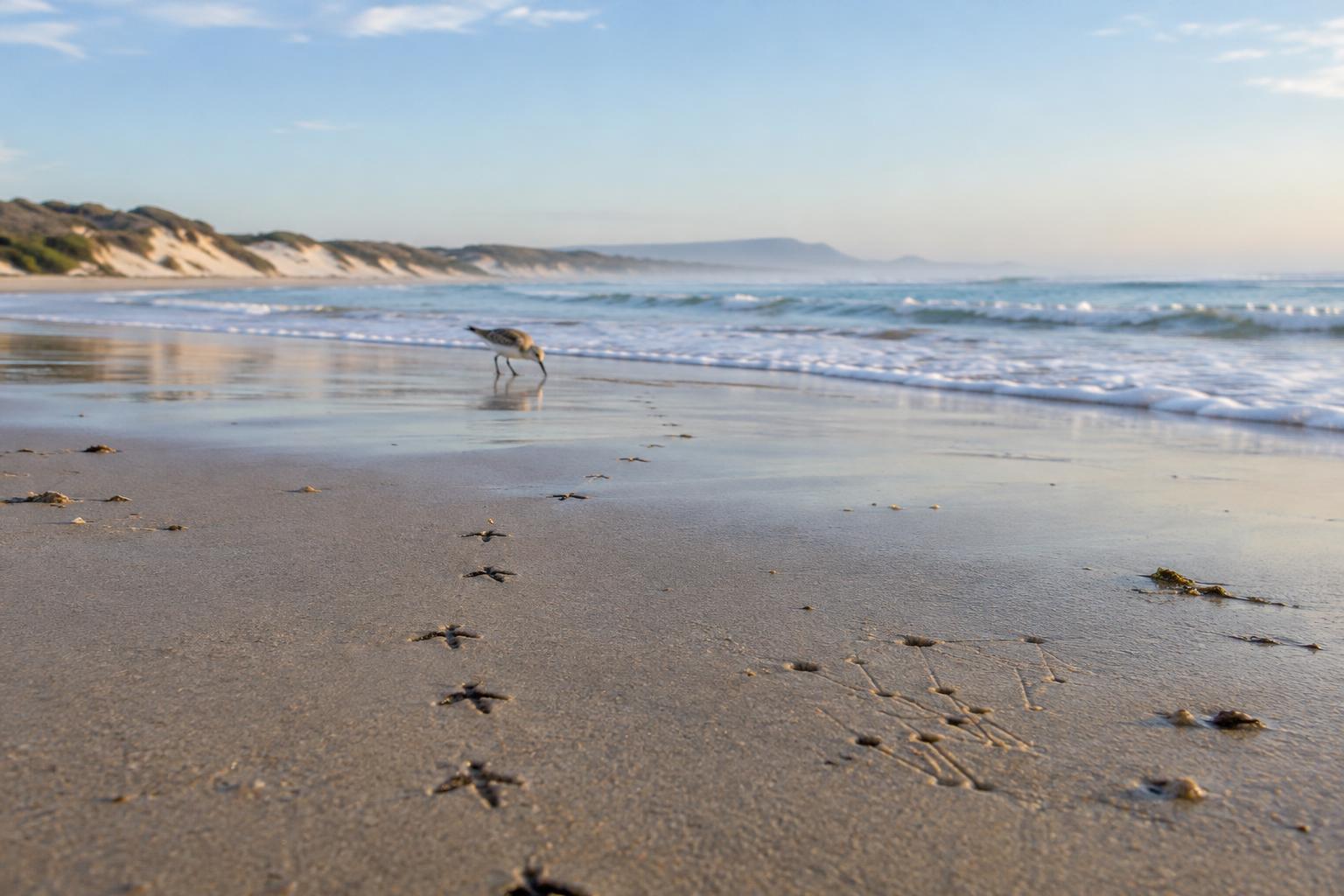
Finish by checking the ground around your picnic area for small scraps, bottle tops and packaging that the wind could carry away. Take food waste with you if there is no suitable bin, and avoid leaving leftovers for wildlife. Keeping food contained while you eat helps too: birds and other animals are less likely to approach a picnic when scraps are not left within reach.
The most useful picnic plan is one you can adapt. If the weather changes, a sheltered public seating area or a meal back at your accommodation may be more comfortable than eating on the sand. If a shop has sold out of what you hoped to buy, choose a different combination rather than chasing a perfect menu. Good local food, sensible packing and enough time to enjoy both are the essentials.