Start with the place, not the print
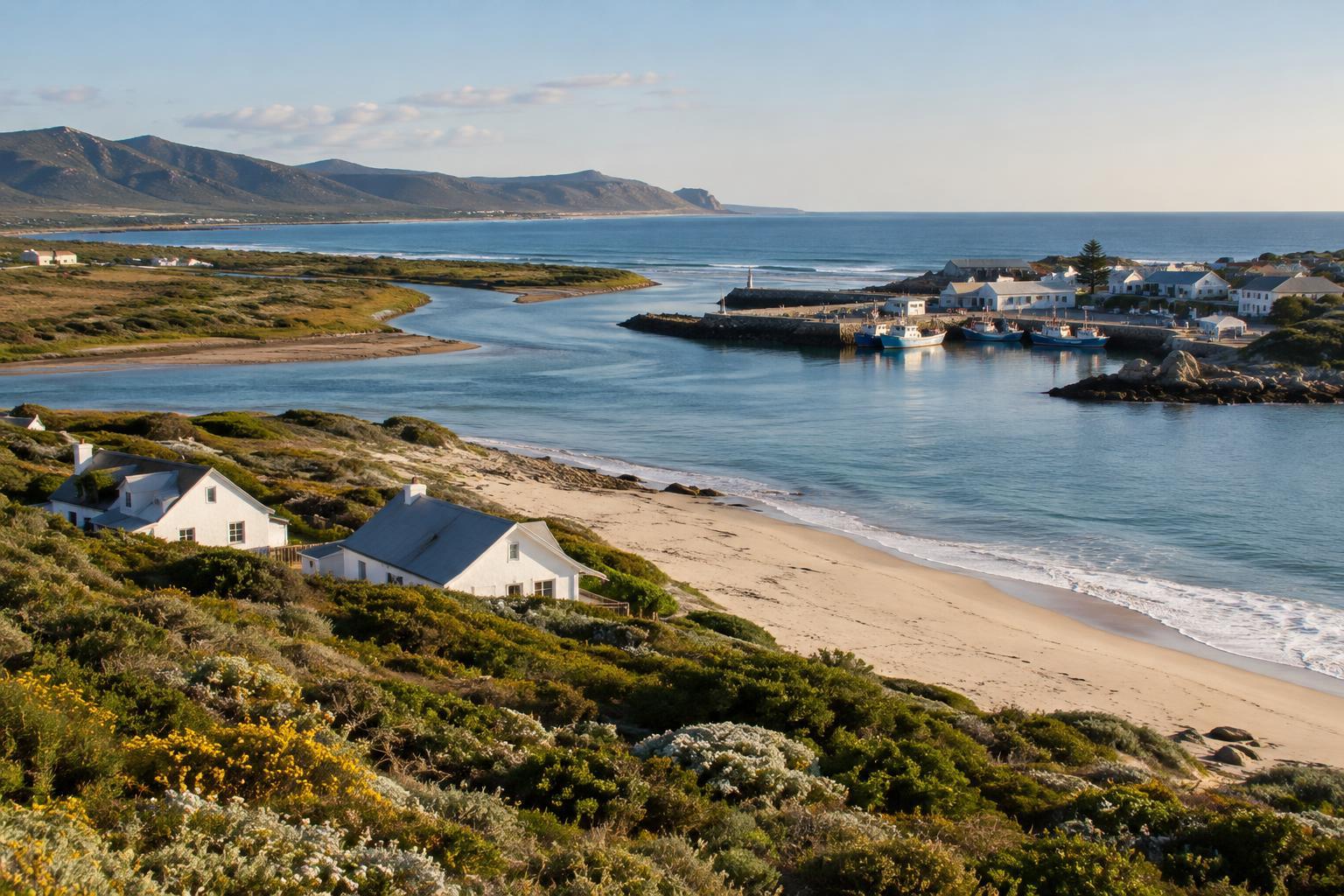
A line of footprints across a South African beach can turn an ordinary walk into a small investigation. Begin by looking at the setting. Is the trail on open sand, beside the water, near a river mouth or at the edge of vegetation? Does it lead towards a feeding area, or disappear into the dunes? The surroundings often tell you more than a single footprint.
Sand is an unreliable record keeper. Wind softens edges, waves erase trails, and dry grains collapse into a print after the animal has moved on. Damp, firm sand may preserve finer detail, but even a clear-looking mark can be misleading. Treat your first impression as a possibility rather than an identification, and look for several prints before drawing a conclusion.
Follow the pattern of a trail
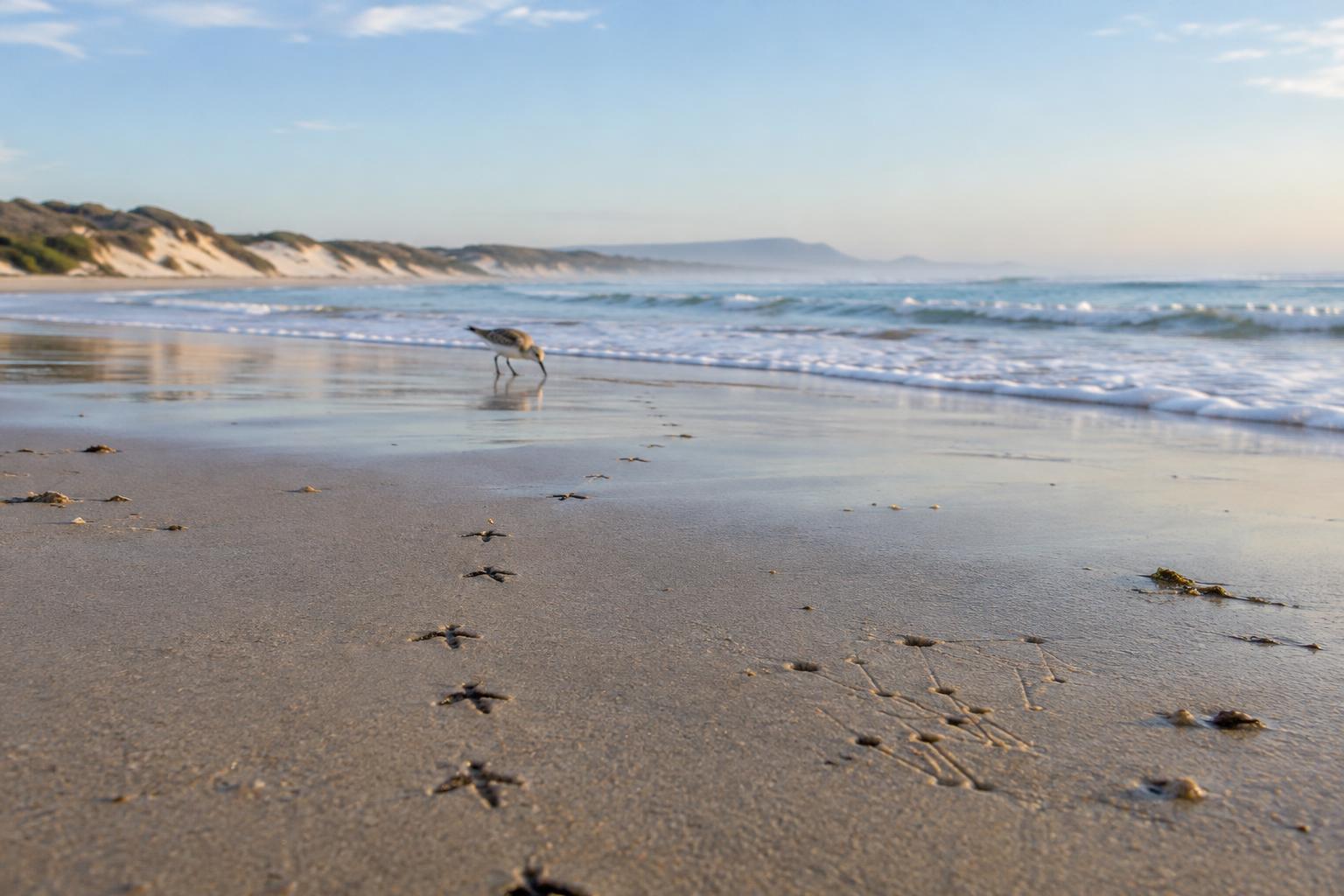
Look at the trail as a whole before examining individual marks. Are the prints evenly spaced, paired together or scattered around one spot? Do they form a straight route across the beach, or wander back and forth? A steady sequence may suggest an animal moving through; a cluster of overlapping marks may point to resting, feeding or several animals using the same patch of sand.
Then study one of the clearest prints. Notice its approximate size, shape, number of visible toes and any suggestion of claws or webbing. If you want a record, place a familiar object beside the print for scale in a photograph, without pressing it into the track. Take another photograph showing the wider trail and nearby habitat. These details will be more useful later than a close-up alone.
Notice the signs beyond footprints
Not every wildlife clue looks like a foot. On a coastal walk, you may see small openings in sand, marks left by digging, feathers, shells with fresh-looking damage or paths through low vegetation. A bird’s repeated probing can leave a patch of small holes in soft sand. Around a burrow, you might see disturbed grains or a short trail leading away. Each sign offers a question: what activity could have made it, and is there more evidence nearby?
Be cautious about assigning a maker to a sign. A shell may have been opened by an animal, broken by surf or moved from somewhere else. Feathers can travel on the wind. Even a neat hole may not be occupied. Observing how signs relate to one another—the opening, the trail and the surrounding sand—helps build a more careful picture without needing a definite answer.
Choose a good time and keep a safe distance
A walk after a change in tide can reveal fresh-looking marks on newly exposed sand, while a calm spell may leave tracks less disturbed by wind. Check tide and weather conditions before setting out, and keep an eye on the water as you walk. Rocky shores, river mouths and narrow stretches of beach can become difficult to pass when conditions change.
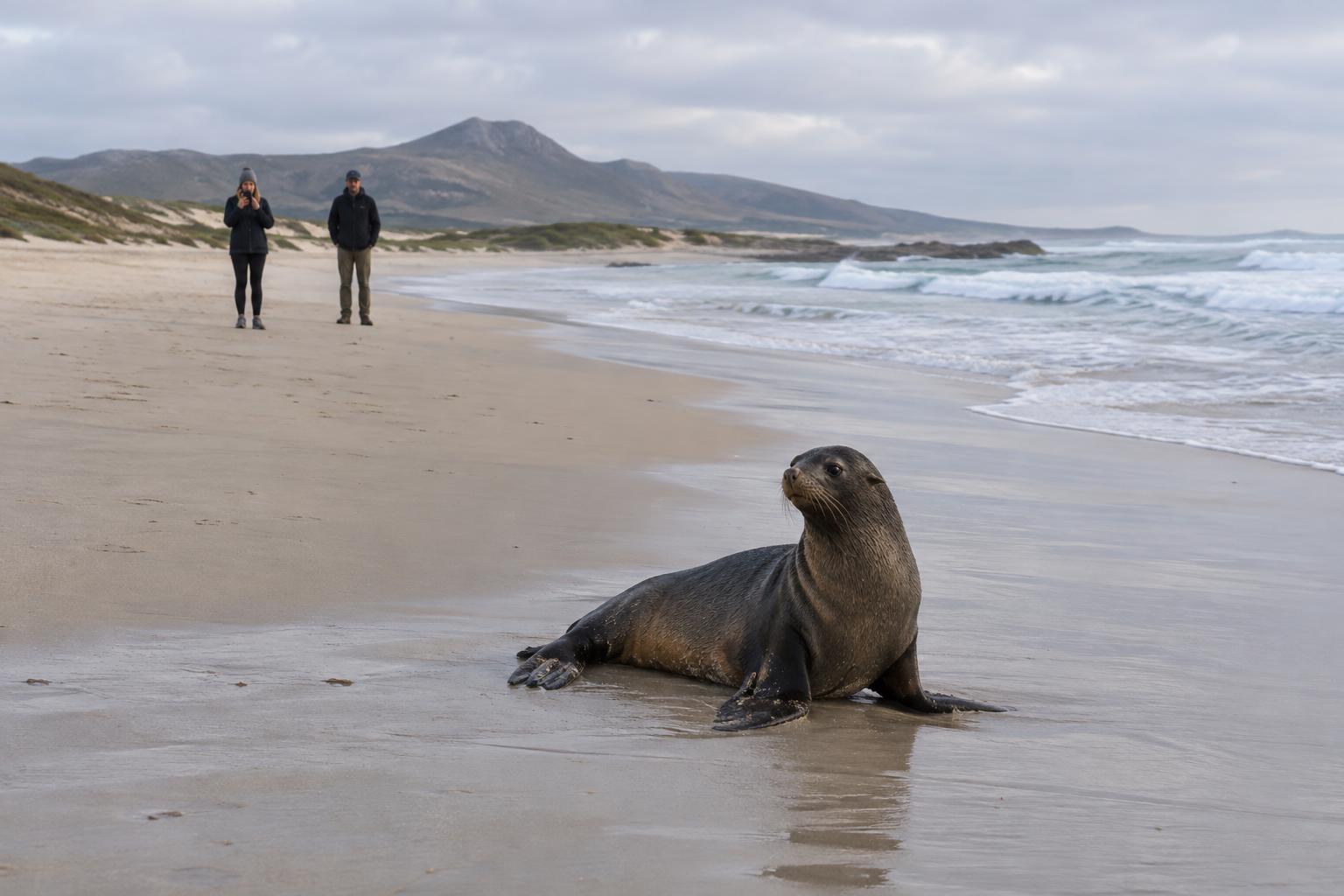
Wildlife watching works best when animals can carry on undisturbed. Give birds and other animals plenty of room, especially if they are feeding, resting or attending to young. Never reach into a burrow or lift an animal for a closer look. If you are walking with a dog, follow local rules and keep it under close control. Tracks are worth noticing, but not worth chasing an animal to create more of them.
Leave the shoreline as you found it
Stay on established paths through dunes and coastal vegetation. Cutting across a planted or fragile area can damage habitat, even when the beach beyond looks close. Follow any signs or access restrictions you encounter, and check local guidance before a visit: conditions and permitted routes can vary. If you find a nest or an animal that appears distressed, move away rather than trying to investigate it.
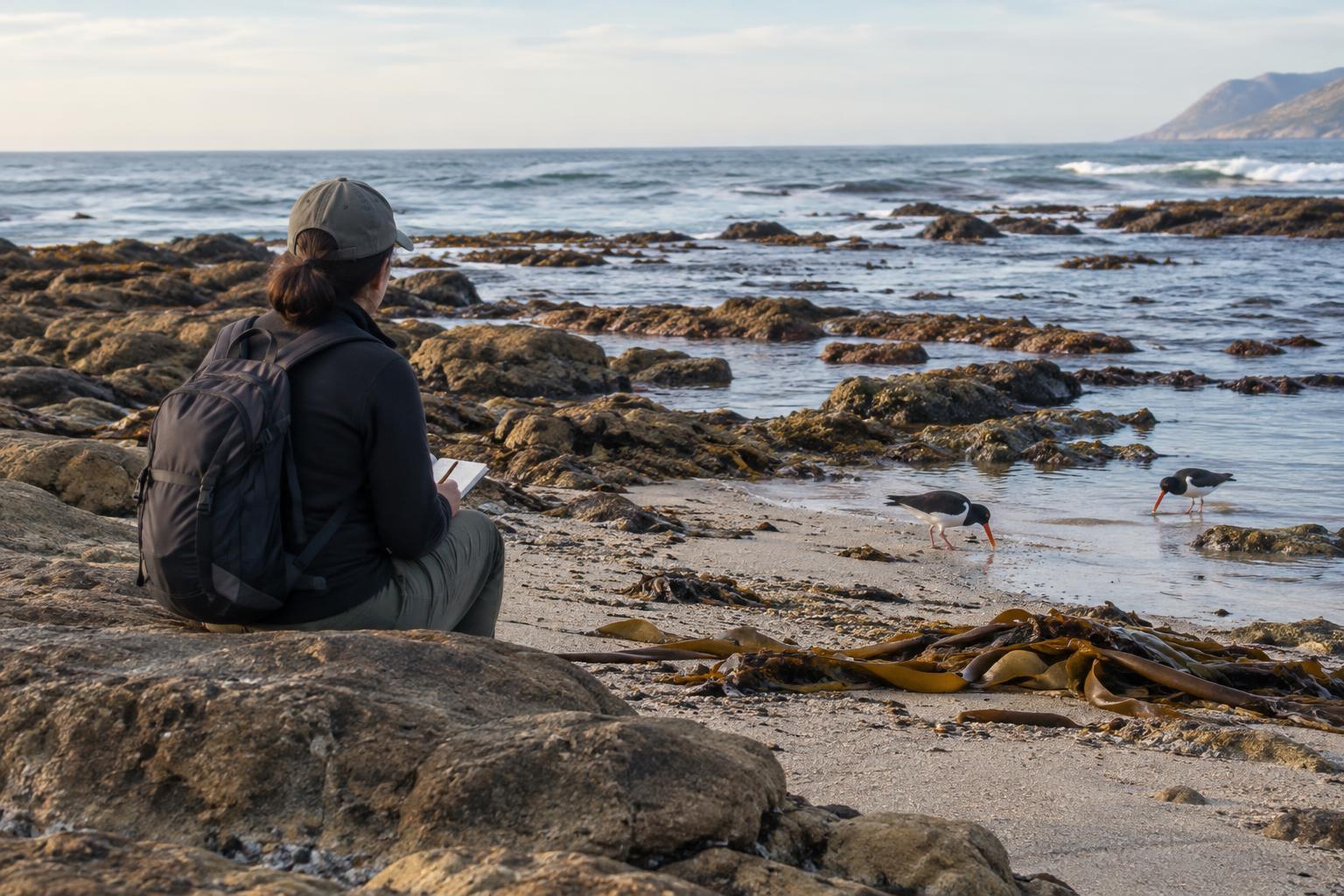
You do not need to name every print for the walk to be rewarding. Make a short note of where you were, what the ground was like and which details you could see. Over time, you may begin to recognise familiar patterns and notice when a sign does not fit them. The most useful habit is simple: pause, look around, and let the clues remain for the next walker.