Start with the right place and date
A tide table is a forecast of when the sea will reach high and low water at a particular location. Before reading the numbers, check the place named at the top of the table. A prediction for a nearby harbour may be useful for broad planning, but it will not describe every cove, estuary mouth or stretch of open beach exactly. Also confirm the date and the time zone shown, especially if the table comes from a travel guide or an app that covers several countries.
Many tables list two high tides and two low tides in a day, each with a time and a predicted height. The times are turning points, not the start of a fixed period called “high tide” or “low tide”. The sea generally rises between a low and the next high, then falls towards the following low. Because these times shift from day to day, yesterday’s beach schedule is not a reliable plan for tomorrow.
Read times and heights together
The time tells you when a predicted high or low occurs; the height tells you how far the water is expected to stand above the table’s reference level, often called chart datum. It is not a measure of water depth across the whole beach. Nor does a listed height tell you exactly where the waterline will meet the sand: the beach slope, rocks, waves and wind all affect what you see.
Compare the high and low heights for the day to get a sense of the tidal range. A larger difference usually means more of the shore will be covered and uncovered as the tide changes. A smaller difference means the waterline may move less. If you are hoping to explore an exposed stretch of shore, look at both the low-tide time and the height, rather than choosing a day simply because “low tide” appears on the table.
Match the tide to your beach plans
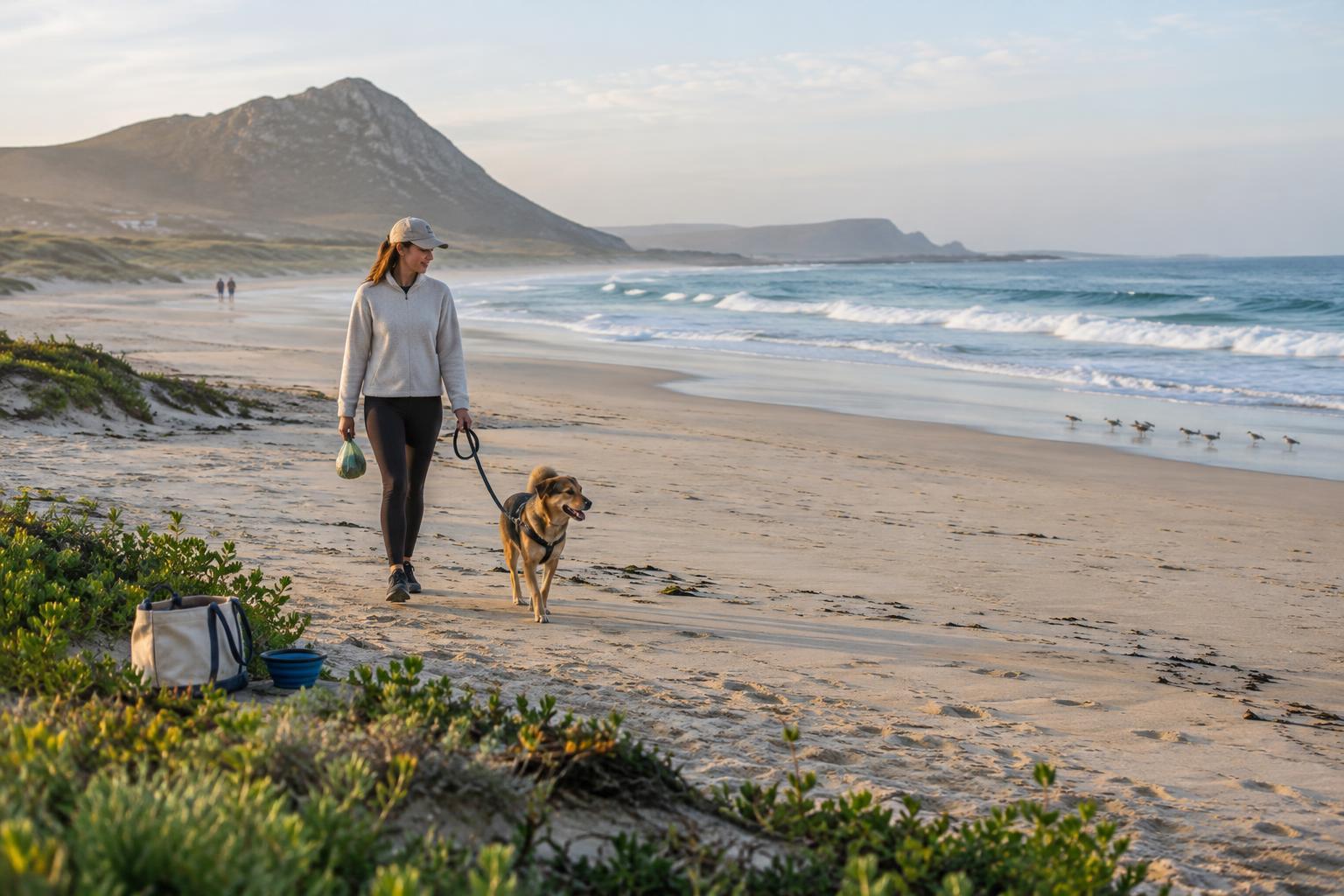
For a shoreline walk, a falling tide can provide more open sand than a rising one. Check the next high-tide time before setting out, particularly on beaches with cliffs, headlands or narrow sections that may limit your return route. Give yourself a generous margin: a tide table cannot promise that a particular passage will remain dry, and waves can reach above the predicted water level.
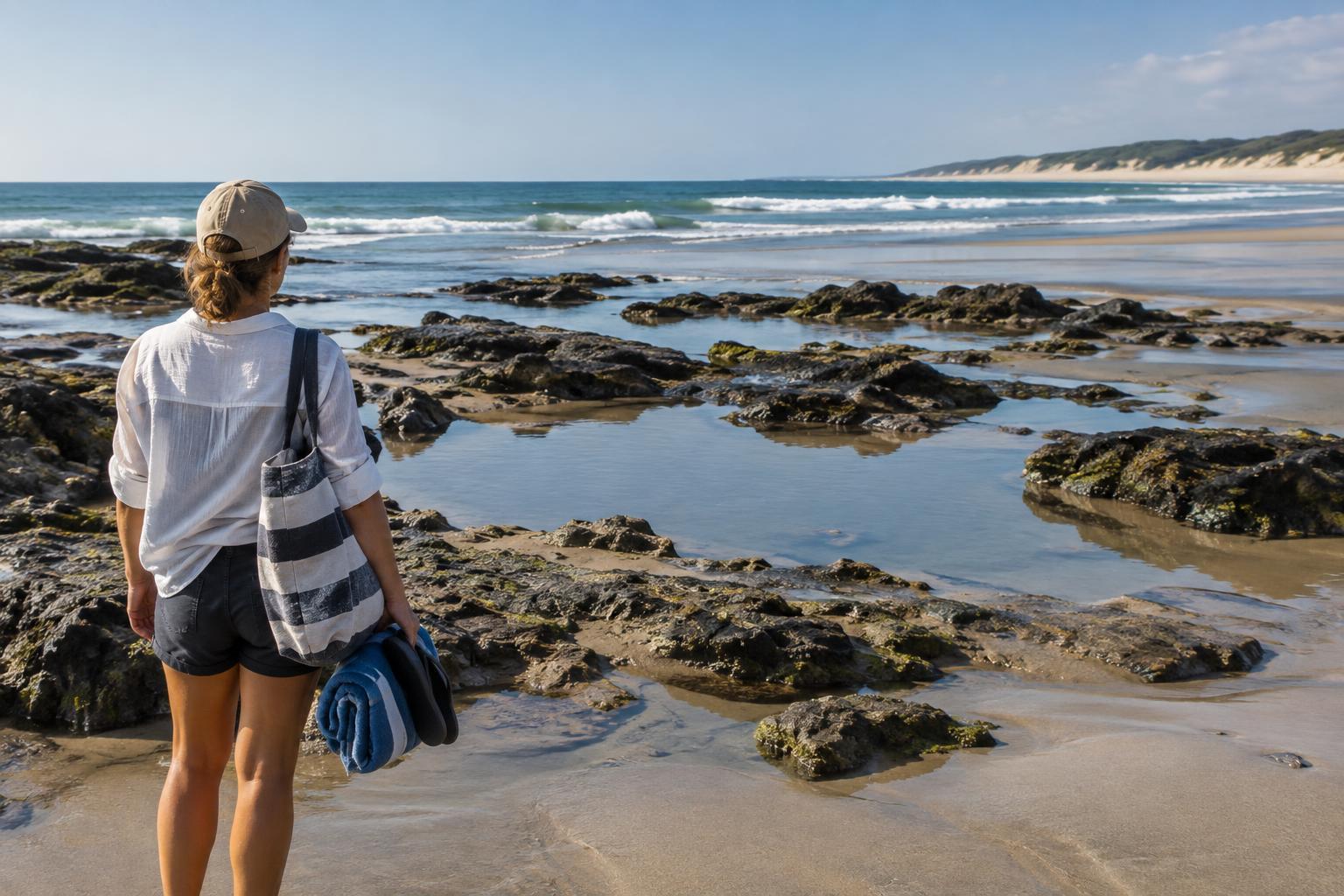
Rock pools are often easier to see around low tide, but the most exposed rocks are not necessarily the safest to reach. Wet surfaces can be slippery, and a swell can wash over an area even when the tide is low. For swimming or paddling, tide timing is only one consideration. Currents, surf conditions and the presence of a suitable supervised swimming area matter more than a tide table alone.
The familiar terms “spring tide” and “neap tide” describe patterns in tidal range, not the seasons. Spring tides tend to have a greater difference between high and low water; neap tides tend to have a smaller one. Knowing which pattern you are looking at can help explain why the same beach appears more spacious on one visit than another.
Allow for what the table cannot predict
A tide table describes the expected rise and fall of the sea, but it is not a forecast of the full beach experience. Wind may push water towards shore, while swell and breaking waves can send water farther up the sand or across rocks. Recent changes to sandbanks and channels can also make a familiar place look different. At an estuary, river flow adds another variable that a simple sea-tide table may not capture.
Before leaving, check a current local weather and sea forecast alongside the tide prediction. On arrival, pause and watch the water rather than assuming the shoreline will match the table. Pay attention to posted signs, access restrictions and guidance from local lifeguards where available. If the sea is reaching your belongings or your route sooner than expected, move back; the observation in front of you matters more than the plan you made at home.
Build a simple beach-day plan
Choose the activity first, then note the nearest low and high tides, their heights and the direction the tide will be moving during your visit. For a leisurely South African beach day, you might aim to arrive with time to settle in, enjoy the shore and leave well before a rising tide narrows your space. Keep shoes and bags above the most recent wet-sand line, remembering that waves can reach beyond it.
Finally, make the plan flexible. Confirm current access arrangements before travelling, choose an easy way back from any walk, and be willing to switch from rock-pool exploring to a viewpoint or café if conditions are unsuitable. Reading a tide table is not about finding a guaranteed safe hour. It is about understanding how the shoreline is likely to change so you can make a more thoughtful choice when you get there.