Start with observation, not identification
A walk along South Africa’s shoreline can bring you past shorebirds, crabs, dolphins, stranded shells and tracks in the sand. Citizen-science projects can use observations like these to build a picture of where species are seen. You do not need to know every animal’s name to make a helpful record. A clear description, a sensible location and an honest note about what you could not confirm are often more useful than a confident guess.
Before setting out, choose a project that accepts the kind of sighting you hope to record, and check its submission guidance. Some projects focus on particular species or habitats, while others accept broader observations. Requirements for photographs, locations and unusual sightings can differ. If you are simply exploring, keep notes first and decide where they belong afterward.
Capture the details that give a sighting context
Record the date and approximate time, where you were, how many animals you saw and what they were doing. Add a short description of the setting: a sandy beach, rocky shore, estuary edge or offshore water, for example. Weather, tide stage and whether the animal was alive or dead may also help someone interpret the record. If you did not check a detail, leave it blank rather than filling it in from memory later.
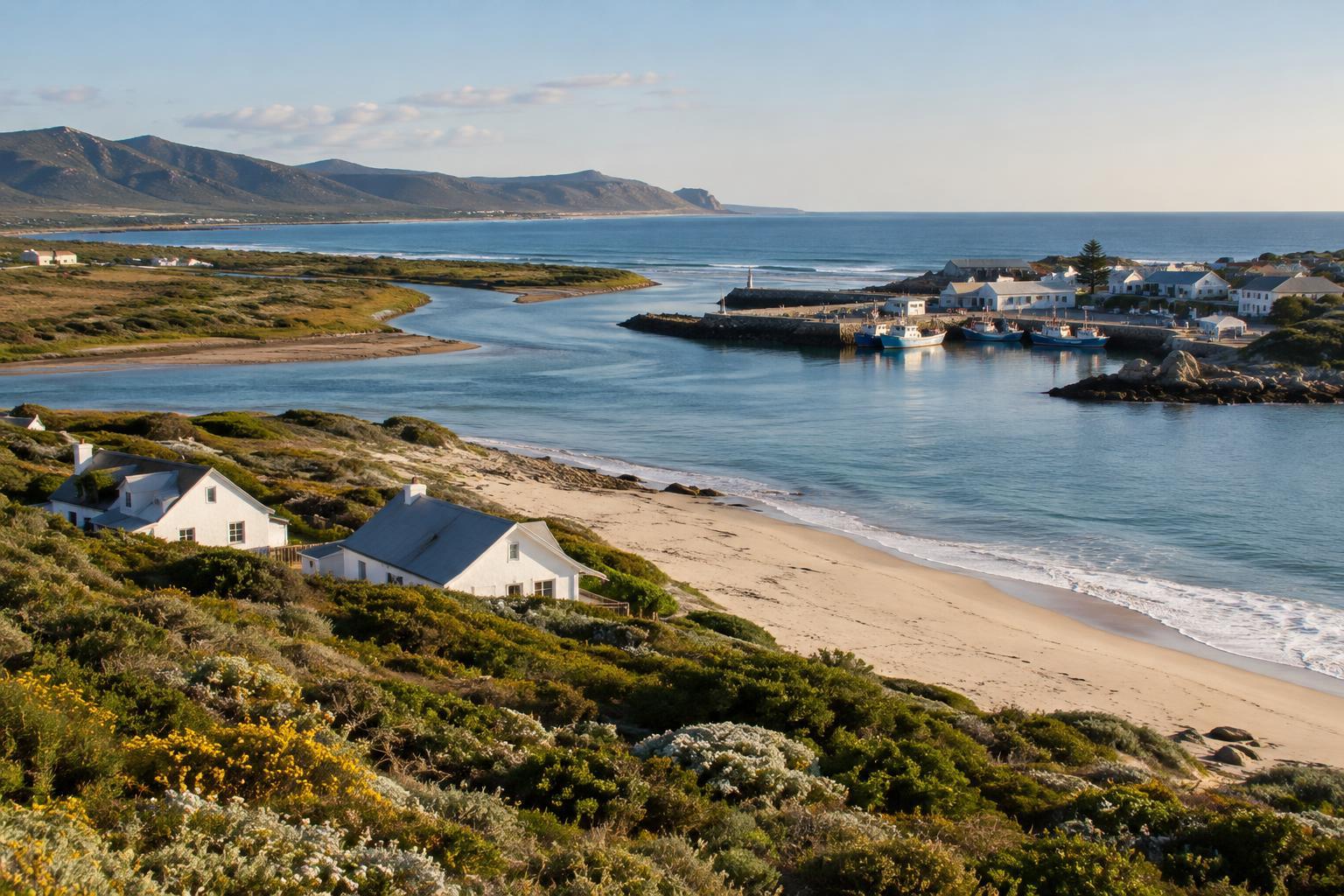
For a location, use a map pin or coordinates if you can do so safely and accurately. Check that your phone has not placed the pin at a car park, road or previous stop instead of the observation site. When recording something seen at sea, note that the location is an estimate and, if possible, describe the viewing point and direction. A bird flying past a headland is not necessarily located at the point where you stood.
Keep identification notes simple and specific. Instead of writing “small seabird,” note its approximate size, colours, bill shape, flight pattern and any features you could see clearly. Record uncertainty openly: “possibly two species” or “could not distinguish individuals” tells a reviewer more than a forced answer.
Take photographs without changing the scene
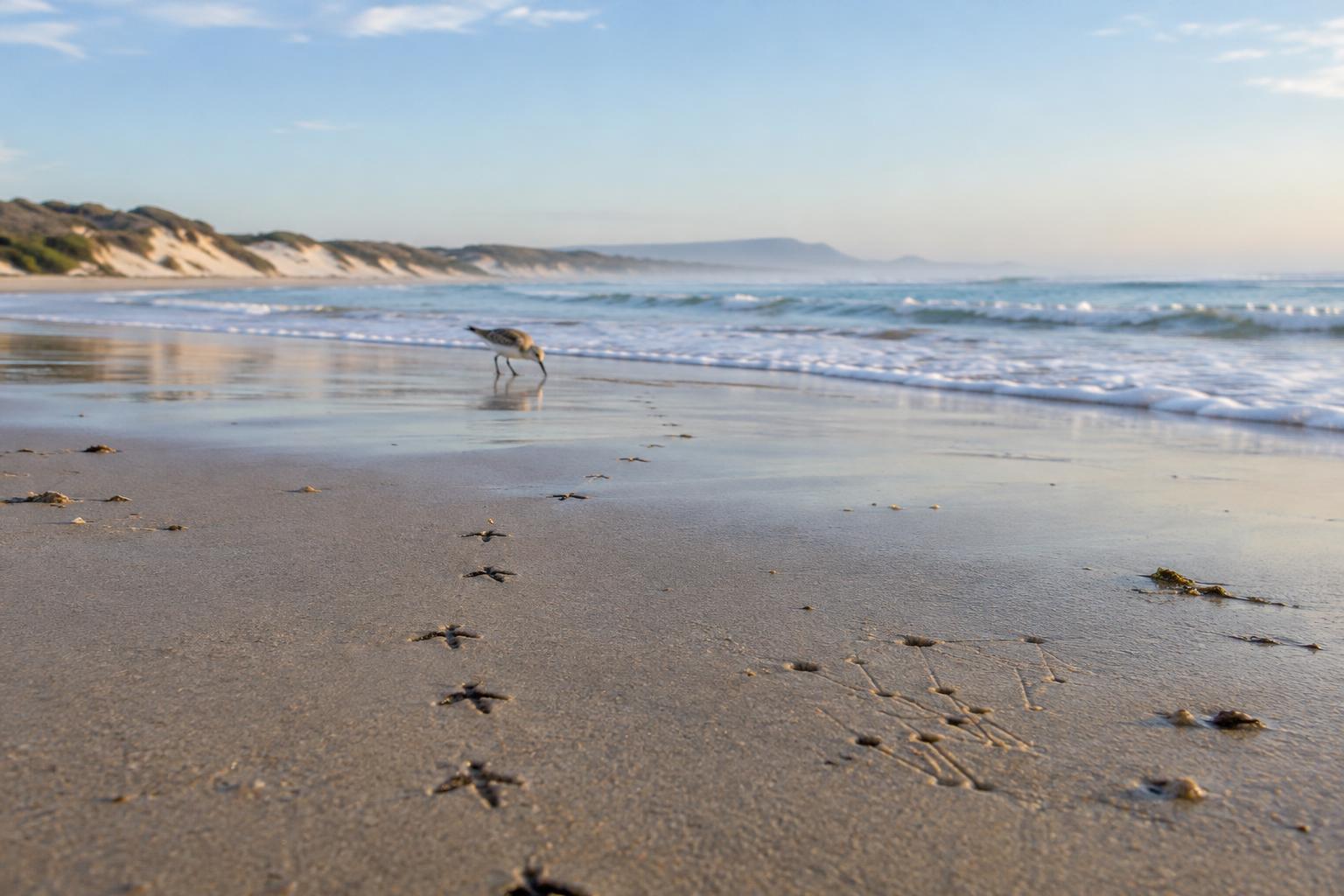
A useful set of images may include a wide view showing the habitat and a closer view showing identifying features. Photograph both sides of a track or shell if relevant, and include an object for scale only when it is already nearby and can be placed without disturbing the site. Keep original images until your record has been submitted; cropping can help show a feature, but an uncropped frame preserves context.
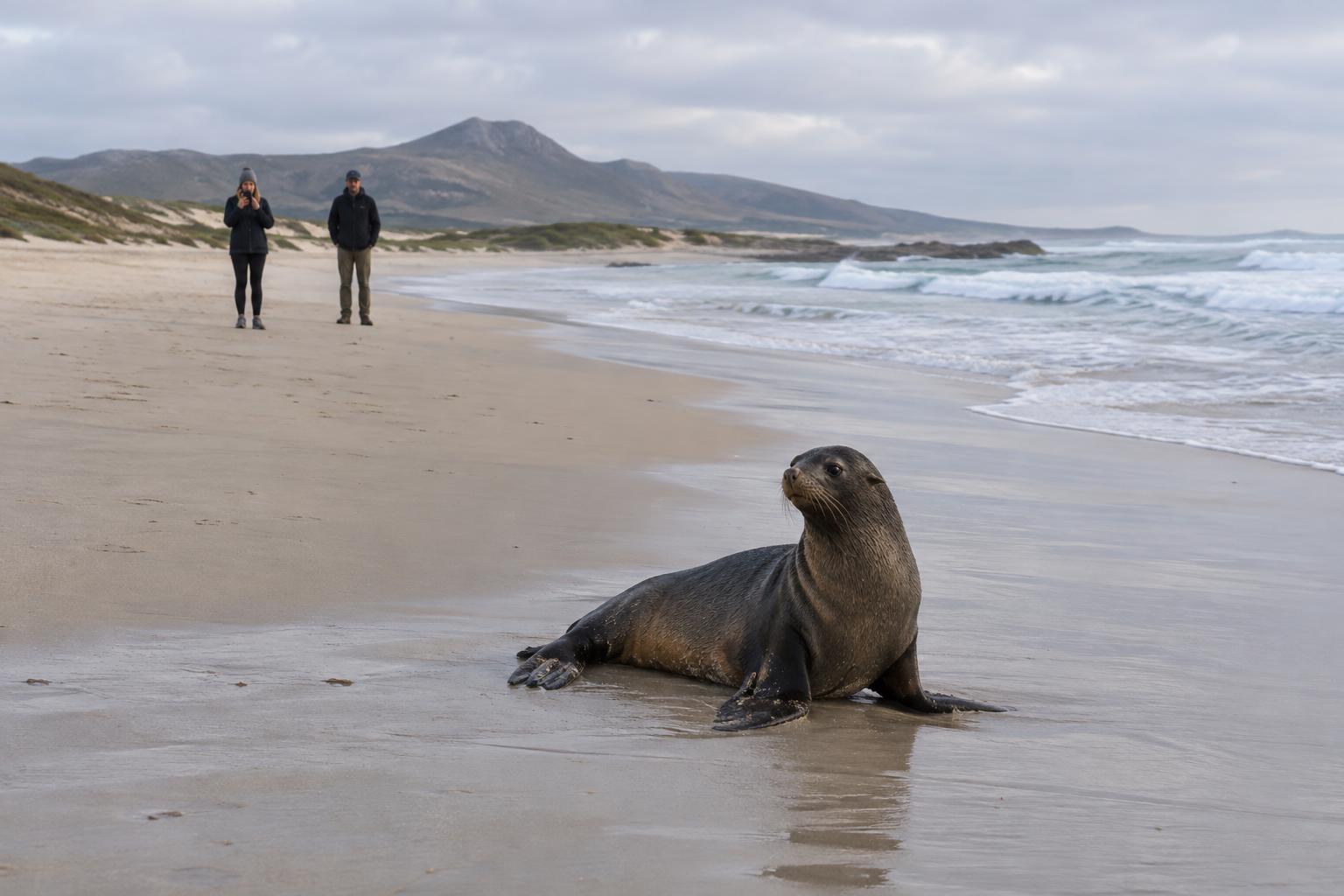
Never move an animal into better light, approach a nest for a clearer shot or block an animal’s route to the water. Use a zoom lens or binoculars where available, and step back if an animal changes its behaviour as you approach. Avoid flash near wildlife, and keep dogs under control. A missed photograph is preferable to a record made by disturbing the subject.
Share carefully, especially around vulnerable wildlife
Before uploading, review both your notes and any location information embedded in photos. Exact locations can be sensitive for nesting birds or other vulnerable wildlife. Use a project’s location-privacy settings where appropriate, and follow its guidance on records that should not be publicly pinpointed. Public social posts need extra care: a broad area can communicate what you saw without directing visitors to a nest or resting site.
Separate observation from interpretation. “One bird sitting on the sand for ten minutes” describes what you saw; “injured bird” may be an assumption unless there were clear signs of injury. If an animal appears distressed, keep your distance and check the appropriate local reporting route rather than trying to handle it. For unusual sightings, a project may ask for additional evidence or review before accepting an identification.
Build a repeatable coastal recording habit
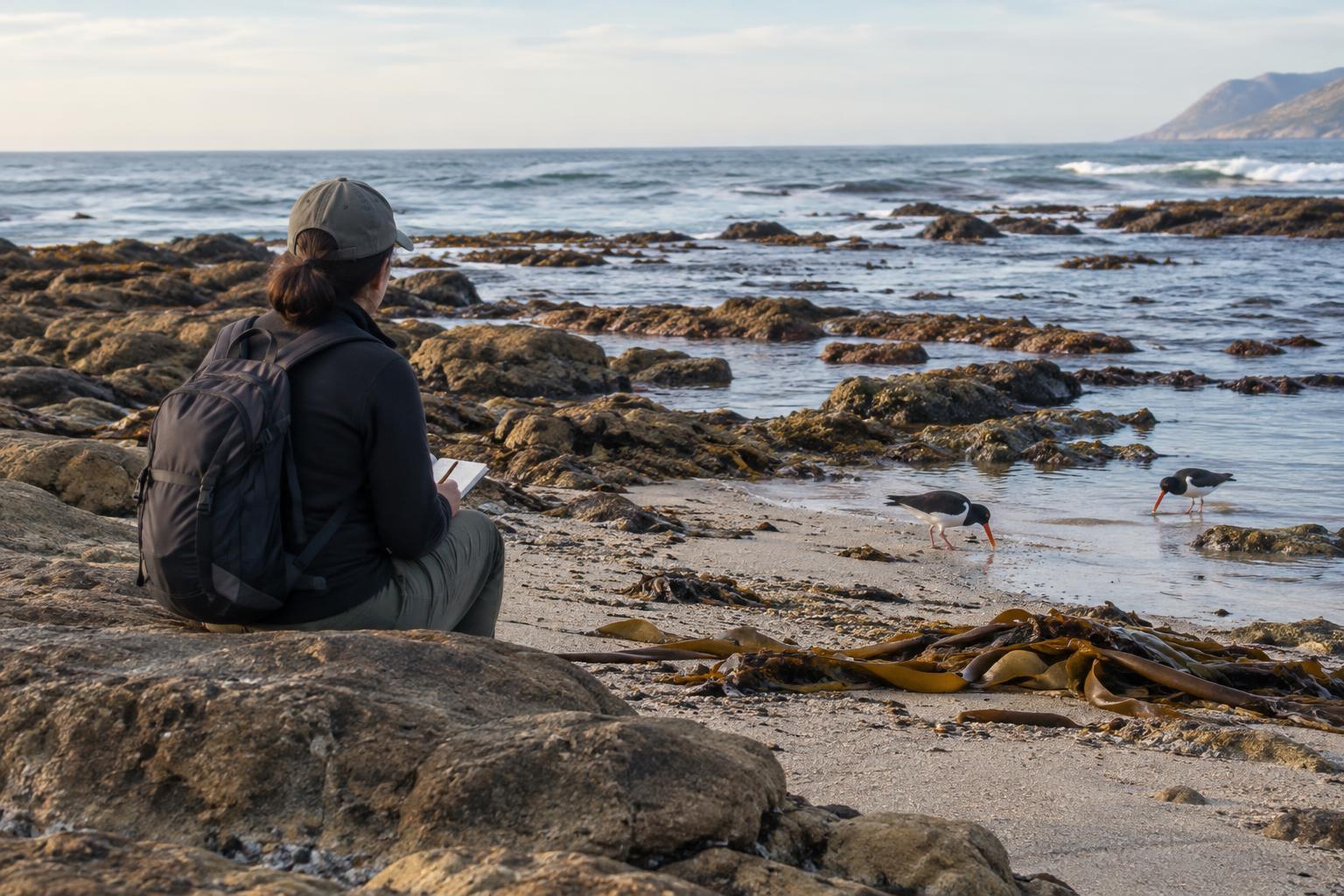
A small field routine makes records easier to submit. Pause to note the time and place, watch long enough to describe the behaviour, then take photographs from a respectful distance. At the end of the walk, match each note to its images while the sequence is fresh. Upload records individually when animals were seen at different places or times, and check any project-specific rules before combining sightings.
Ordinary observations are worth recording alongside memorable ones. Repeated notes from familiar beaches can be easier to compare when you use consistent descriptions and acknowledge gaps, such as a visit cut short by rain. Treat each submission as a record of what you actually observed, not a complete survey of everything present. That modest approach makes coastal wildlife watching more useful to others and more rewarding on your next walk.