Start with the trip you actually have time to take
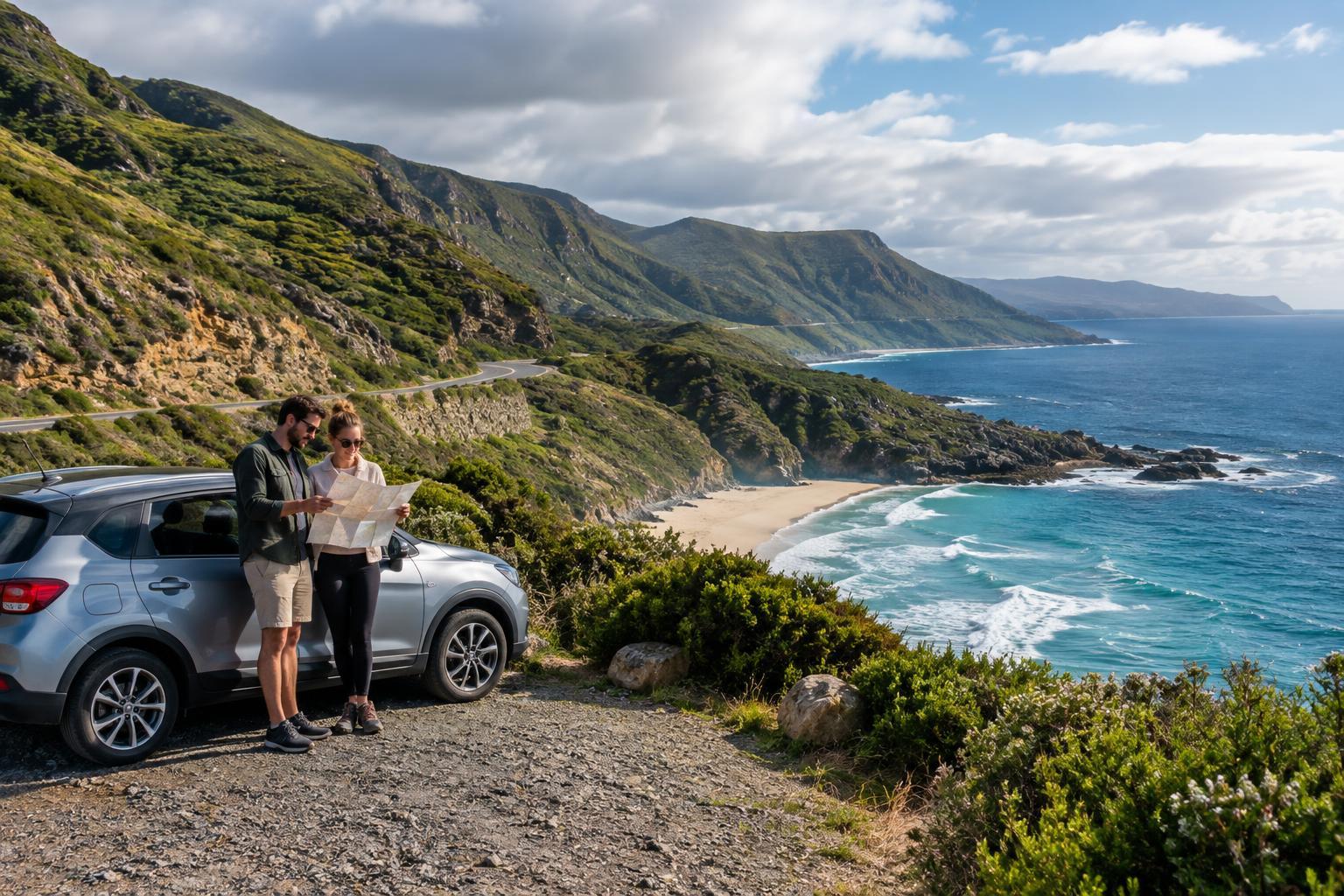
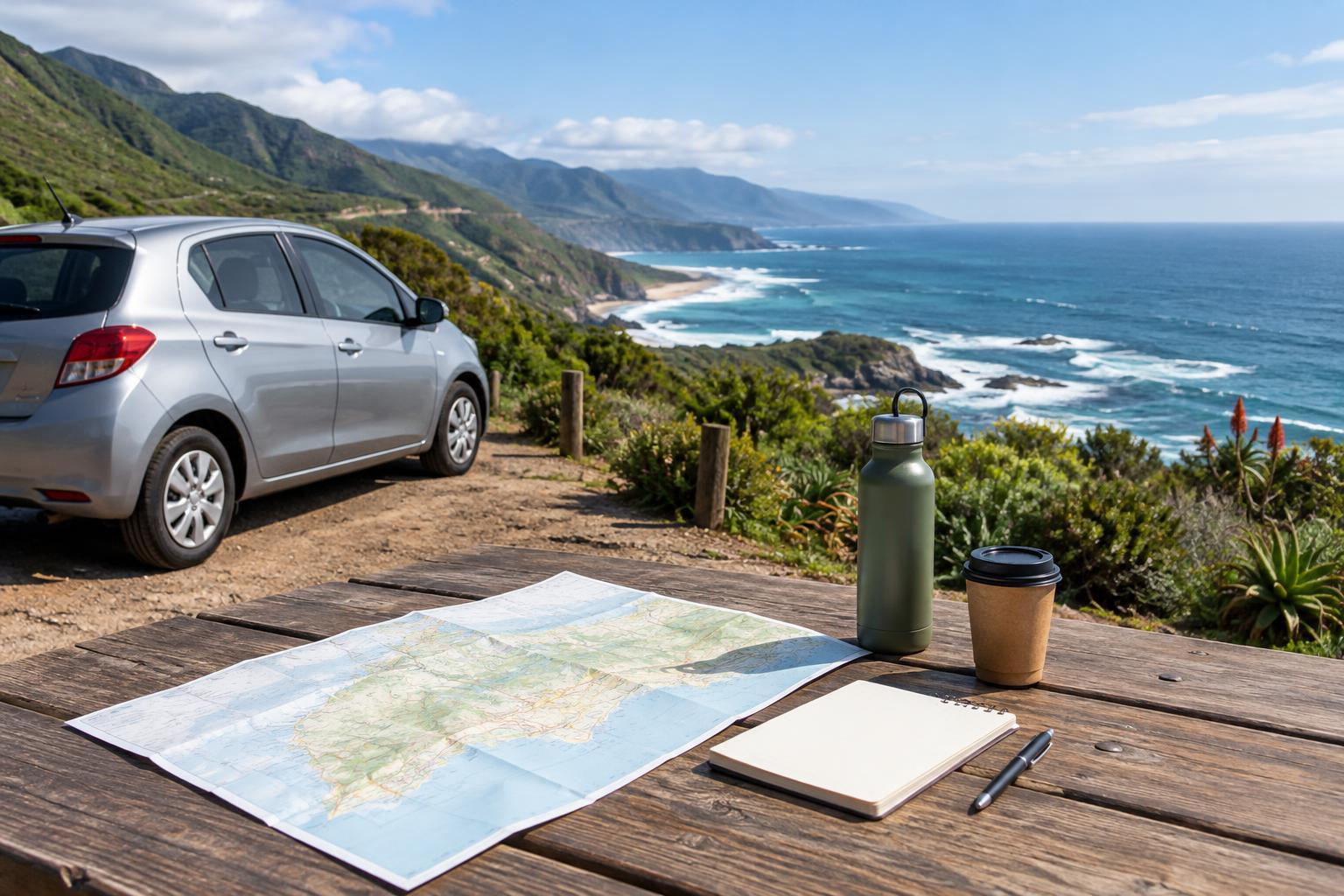
A realistic budget begins with a route, not a wish list. South Africa’s coastline offers plenty of tempting detours, but each extra stop can mean more driving, another night’s accommodation and less time at the beach. Decide how many days you have, where you will start and finish, and which places you most want to experience. Then sketch a route with a manageable number of overnight bases.
Allow time for slower coastal roads, meal stops and days when you would rather stay put. A route that looks efficient on a map may feel rushed once you add check-in times, walks and swims. Staying two or more nights in a place can reduce repeated packing and may make self-catering easier. If your dates are flexible, compare accommodation across different travel periods; prices can vary with local holidays and demand.
Work out the full cost of getting around
Estimate driving costs for the whole route, including the journey to the coast and the trip home. Use your vehicle’s usual fuel consumption as a starting point, then allow for detours, traffic and a loaded car. Add likely tolls, parking and any vehicle preparation you expect to need before departure. If you are renting, compare the total booking cost rather than the daily rate alone: insurance options, mileage terms, extra drivers and one-way returns can change the final price.
It helps to separate essential driving from optional excursions. If the budget tightens, you can shorten a scenic detour without disrupting your accommodation plans. Before committing to a long driving day, consider whether an extra night closer to your next stop would be worth the cost. Paying less for accommodation far from the places you want to visit may not save much once you include daily driving.
Choose accommodation by total value
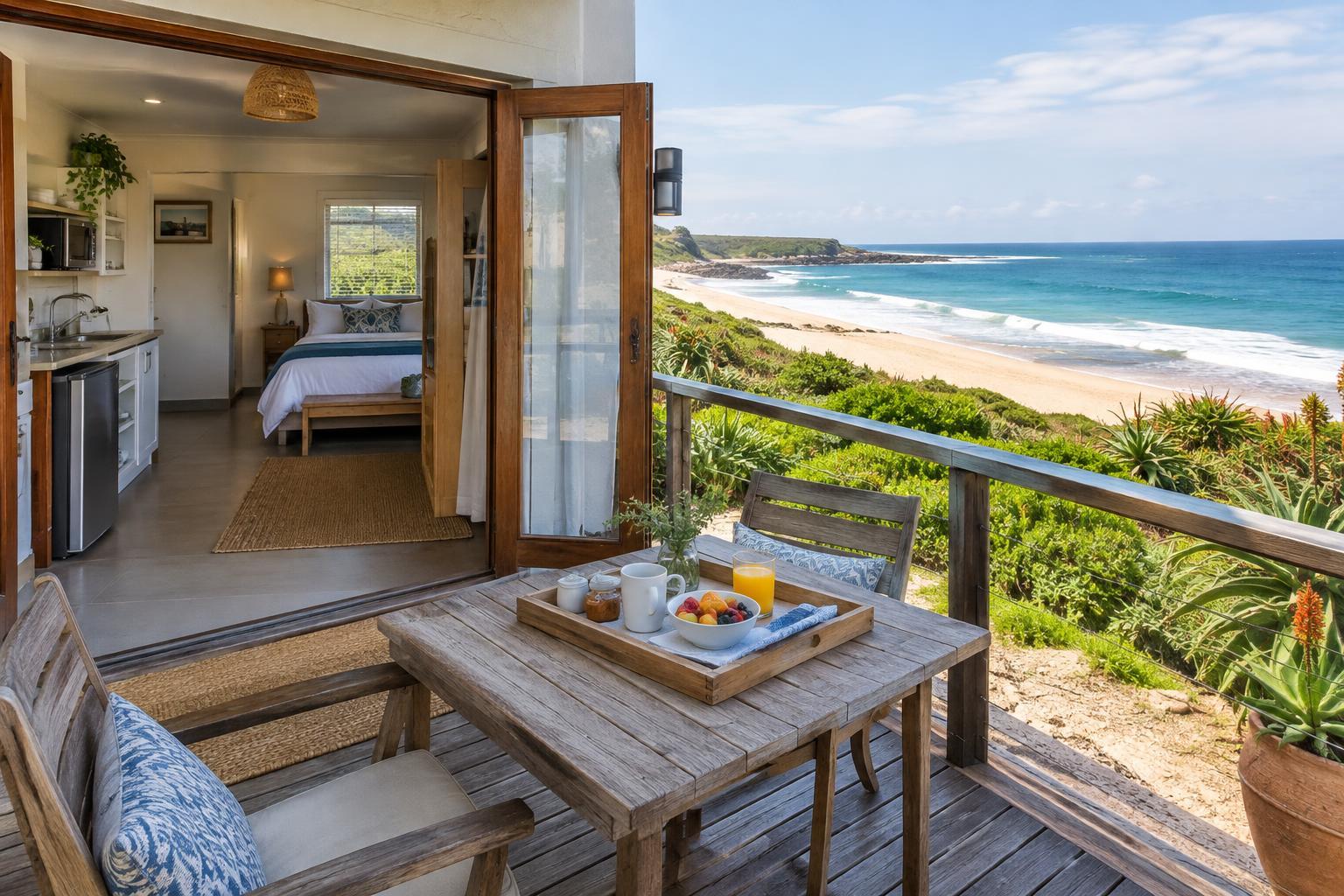
Set a nightly accommodation range before browsing, then check what each option includes. A room with breakfast, a self-catering kitchen or secure parking may offer better value than a lower-priced stay where you must pay for those separately. Also consider distance from the beach, shops and restaurants. Being able to walk to some of your planned stops can save time and transport costs.
Price every night of the trip, including any stopovers on the way there and back. Check cancellation terms before booking, particularly if your route may change. If travelling with others, agree early on how shared rooms, groceries and fuel will be split. That conversation is easier before the first payment than halfway through the journey.
Give food and experiences their own limits
Food costs are easy to underestimate because they arrive in small decisions throughout the day. Plan for groceries, road snacks, takeaway meals and sit-down dining rather than treating every meal as interchangeable. A simple breakfast at your accommodation and a packed lunch can free up money for a seafood meal or another local food experience you are especially looking forward to.
Do the same for activities. Beach walks and time spent exploring a town need not carry an admission fee, while guided outings, equipment hire and some protected-area visits may add to the total. Pick a few priorities and check their current prices and booking requirements before departure. Keep a modest daily amount for unplanned treats, so one appealing market stall or café stop does not feel like a budget failure.
Keep a buffer, then check the plan
Once you have estimated transport, accommodation, food and activities, add a separate buffer for costs that are hard to predict. A change in weather might lead you to choose an indoor activity; a longer drive might call for an extra meal stop. Keep this amount apart from your planned spending so it remains available when needed.
Before making bookings, divide your estimated total by the number of travel days and ask whether that daily cost feels comfortable. If not, adjust the route first: fewer overnight stops, less driving or a shorter trip can make a greater difference than cutting every small pleasure. Recheck prices, opening times and access details for the places on your itinerary close to departure. The best budget is not the cheapest possible one; it is a plan you can follow while still enjoying the coast.