Start with the seafood, not the sauce
At a coastal seafood counter, the flavour choice can feel as important as the catch. Peri-peri brings chilli heat and tang, masala offers layered spice, and lemon butter adds richness and brightness. None is the automatic best choice. The right one depends on what you are eating, how it is cooked and whether you want the seafood or its seasoning to lead.
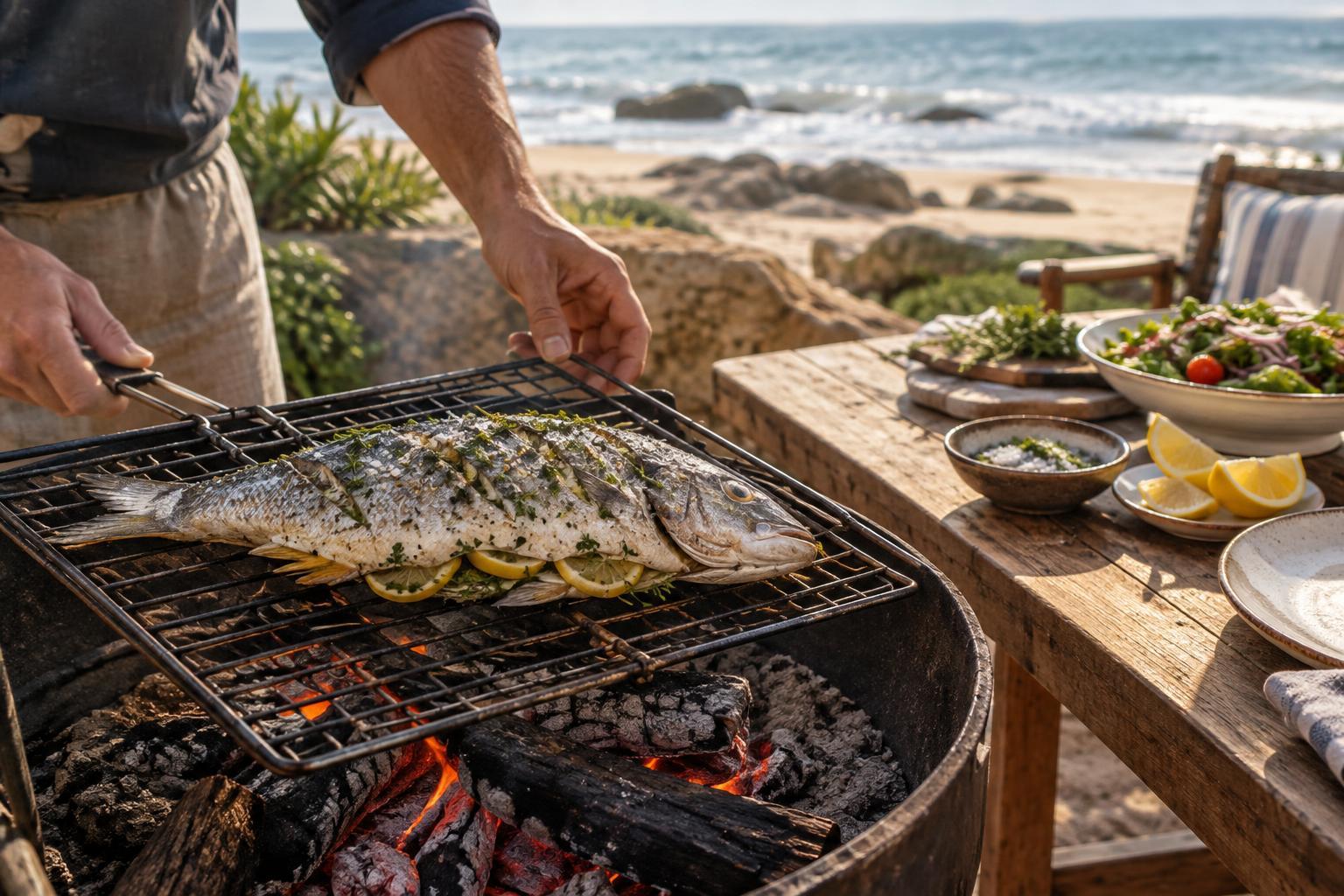
Delicate white fish is a good place to start gently, especially if you want to notice its flavour and texture. Firm fish, prawns and squid can stand up to bolder seasoning, though a heavy sauce can still overwhelm them. Grilling may add smoky notes; frying brings a crisp coating that can soften under too much liquid. When ordering, ask whether the flavour is cooked into the dish, brushed on at the end or served on the side. That small detail can make the decision much easier.
Choose peri-peri for heat and sharpness
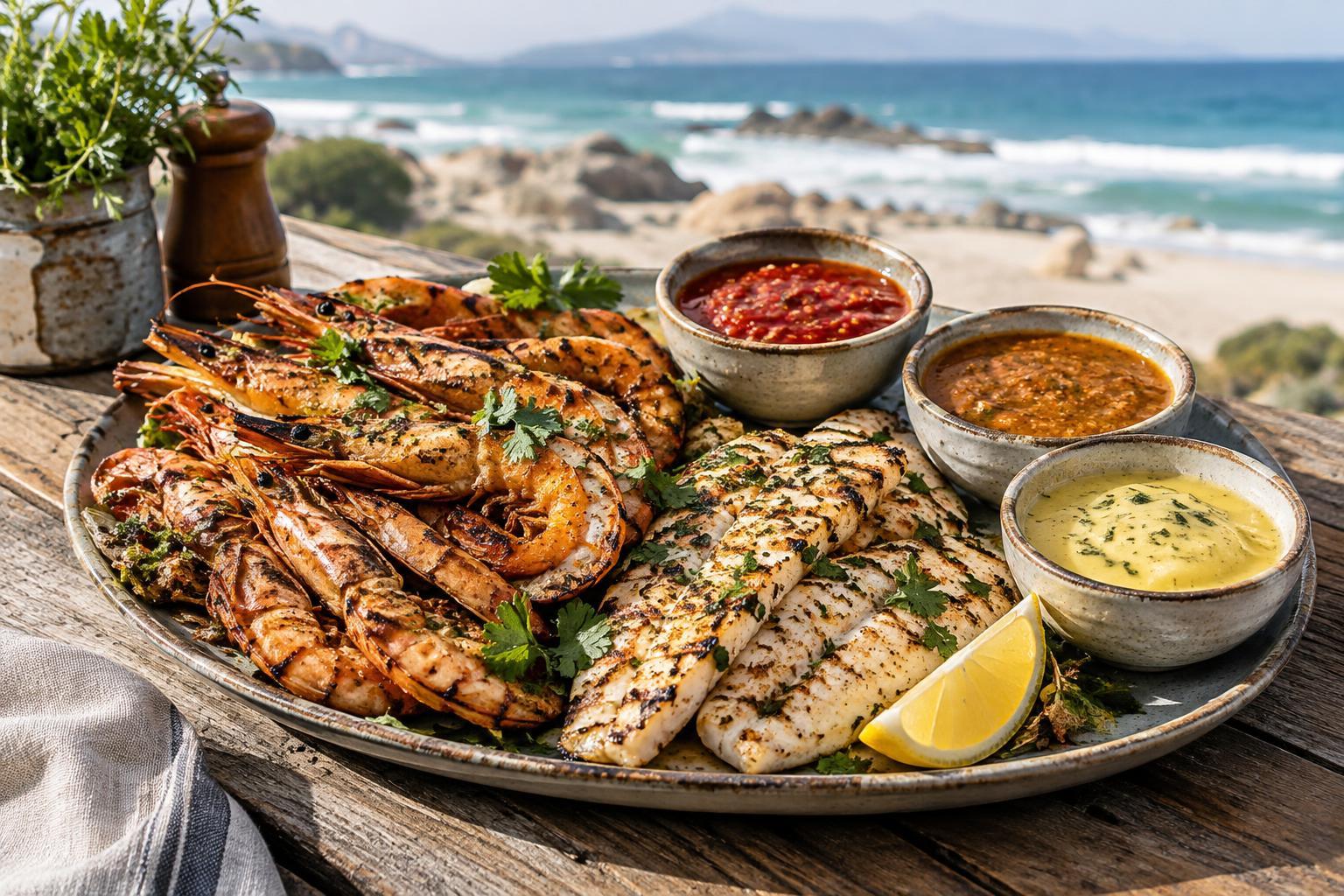
Peri-peri is a lively option when you want a meal with a little bite. Chilli is central, often joined by acidic and savoury ingredients, but the heat and balance vary from kitchen to kitchen. It can work particularly well with grilled prawns, firm fish or squid: the seasoning gives each bite a punch without needing a thick coating.
If you are unsure about the heat, ask for a milder version or have the sauce on the side. That lets you add it gradually and keeps a crisp or lightly grilled surface from becoming soggy. Peri-peri also pairs comfortably with simple sides such as rice, chips or a fresh salad, which give the stronger flavour some space. It is a good choice when you want the seafood meal to feel bold and informal rather than buttery or gently spiced.
Choose masala for warm, layered spice
Masala is not one fixed flavour. Spice blends and preparations vary, so a masala seafood dish may be fragrant and mild, hot and chilli-forward, dry-coated or served with a sauce. Rather than guessing from the name, ask how the kitchen prepares it. A dry spice coating can suit fish that is grilled or fried, while a saucier preparation may be especially appealing with prawns and rice.
Masala is a useful choice when you want more complexity than simple heat. The spices can add depth to seafood without relying on butter, although a generous coating may mask a particularly delicate fish. Consider the whole plate, too: rice can catch a sauce, while a squeeze of lemon may lift a richly spiced dish. If you are cooking at home, start with a light hand and taste as you go. You can add seasoning, but you cannot easily take it away.
Choose lemon butter for a softer finish
Lemon butter is the familiar choice when you want richness without strong spice. Butter rounds out the seafood, while lemon adds a bright contrast. It can be especially pleasant with gently cooked fish or prawns, and it offers a mild option when people at the table have different preferences about chilli.
The balance matters. Too much butter can make a plate feel heavy; too much lemon can dominate a subtle fish. A little sauce on the side gives you control and helps preserve the texture of grilled or fried seafood. If you are making it yourself, add lemon gradually and serve the sauce while it is warm. Pair it with a simply dressed salad or vegetables if you want the meal to feel lighter, or use bread or rice to enjoy what is left on the plate.
Let the occasion make the final call
For a quick decision, think in terms of mood: peri-peri for tangy heat, masala for aromatic spice, lemon butter for mellow richness. Then consider the cooking method and the sides. A spicy sauce might enliven a straightforward grill, while a crisp fried fish may benefit from a dip rather than a pour-over. If the seafood is unfamiliar to you, ordering sauce on the side is an easy way to taste it first.
There is no need for everyone at the table to choose the same flavour. Sharing a few dishes or sauces, where the menu allows, can make a coastal lunch more interesting and help you discover your own favourite combination. Whether you are ordering near the shore or cooking after a beach day, begin with seafood you enjoy, choose a flavour that suits your appetite, and leave room for the taste of the sea to come through.