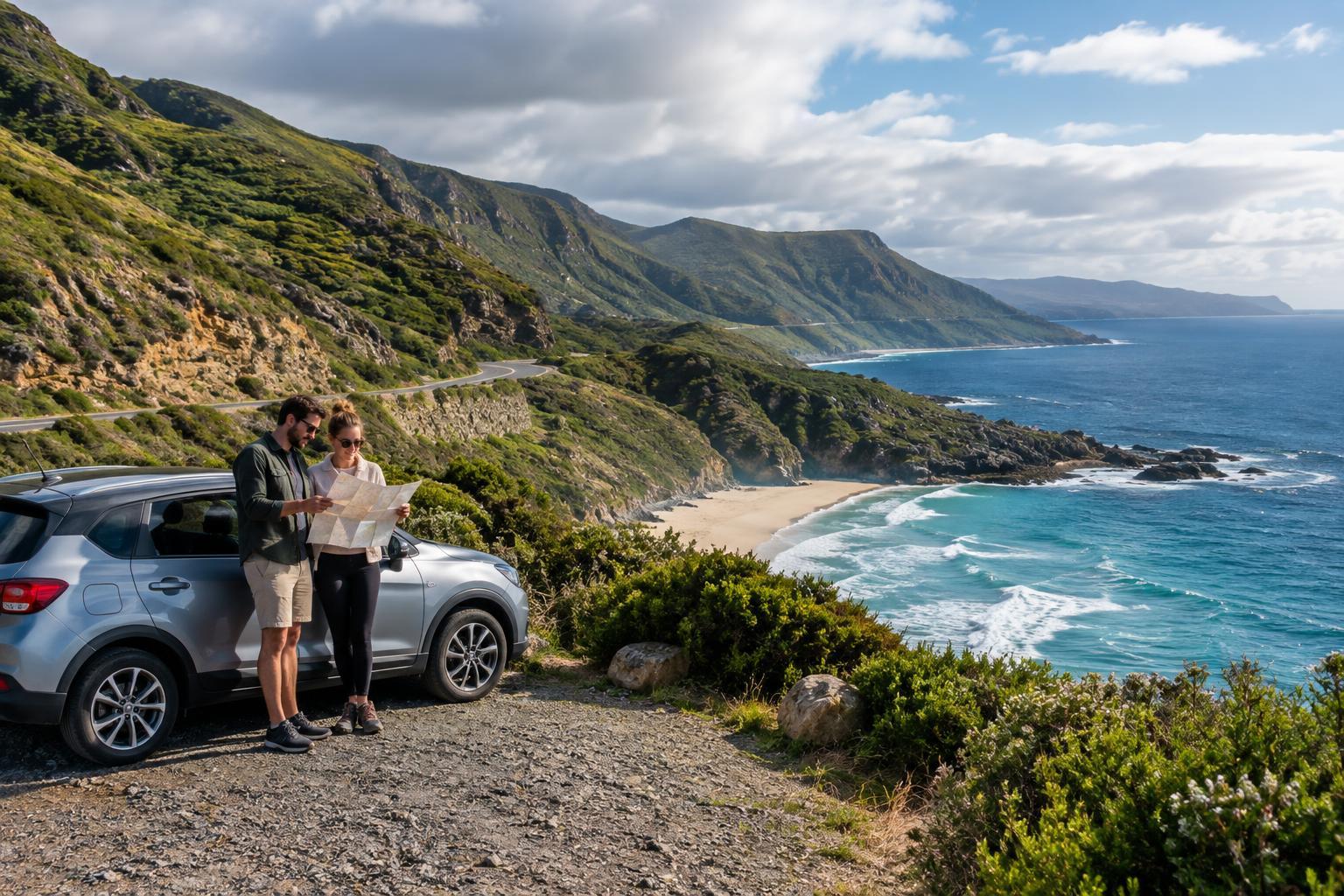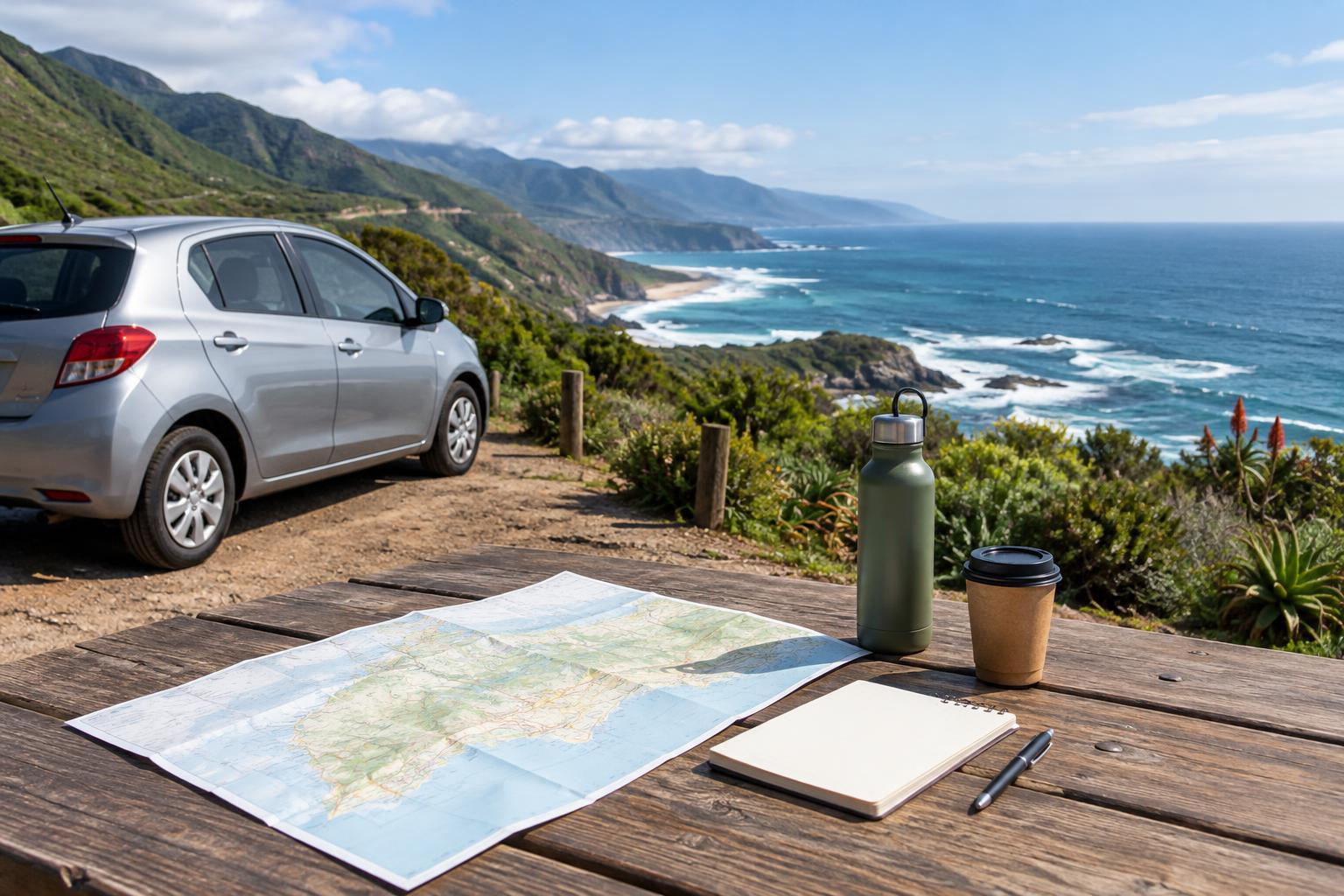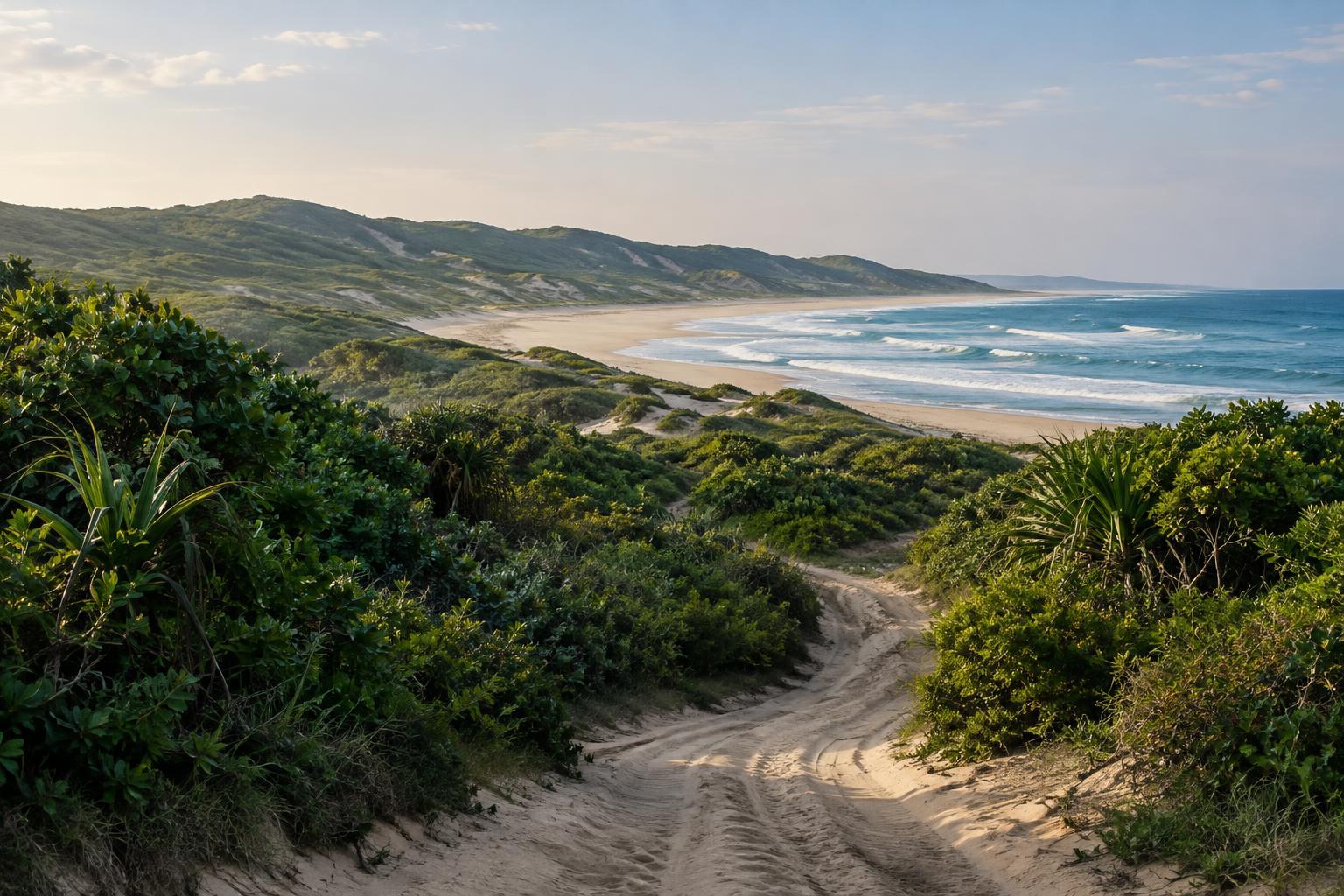
Start with the shape of the coast
KwaZulu-Natal’s Elephant Coast is best treated as a region to explore, not a single beach destination. St Lucia makes a convenient southern starting point, while Sodwana Bay and the Kosi Bay area draw travellers farther north. Wetlands, forest, lakes and beaches sit between these stops, but they are not all linked by a simple coastal road. A place that looks close on a map may require a substantial inland drive.
Before choosing accommodation, decide what matters most: easy day trips from one base, time in the water, or a journey through several landscapes. Trying to cover the whole region from one bed usually means repeating long drives. A northbound route with two or three overnight bases is more comfortable if you want to see more than the southern end.
Choose bases that suit your plans
St Lucia is a practical first base for visitors who want a range of accommodation and an introduction to the southern part of iSimangaliso Wetland Park. It suits a short trip because you can settle in rather than move every night. It can also work as a stop before or after a visit to the nearby Hluhluwe-iMfolozi Park area, although that is a separate inland outing and needs its own driving time.
Sodwana Bay is a better base when your main interest is the beach or organised water activities. Give yourself time here rather than treating it as a quick stop between St Lucia and the far north. Around Kosi Bay, choose accommodation with its access directions in mind: a booking described as being ‘near Kosi Bay’ may still be some distance from the particular lake, trail or beach access point you hope to visit.
Check exactly where each property is located before paying. Ask about the final stretch of road, ordinary-car access, parking and any arrangements needed for park entry or guided activities. Conditions and requirements can differ between sites and may change.
Think in driving legs, not straight lines
As rough planning guides, Durban to St Lucia is about 230–260 km by road, St Lucia to Sodwana Bay about 150–180 km, and Sodwana Bay to the Kosi Bay area roughly 130–170 km. Your actual distance depends on your accommodation and chosen access point. These figures are useful for deciding where to sleep, not for setting a departure time; check your exact route before travelling.
Build in time beyond the drive itself. Fuel and food stops, slower local roads, park entrances and the last approach to accommodation can stretch a transfer day. If you plan an activity on the day you change bases, choose something flexible rather than an early booking you might struggle to reach. Daylight arrival also makes an unfamiliar final stretch easier to navigate.
Match the route to the days available
With two or three nights, pick one base. St Lucia offers a manageable first visit; Sodwana Bay makes sense if you are travelling chiefly for the coast. Four or five nights can support two bases, such as St Lucia and Sodwana Bay, provided you accept that one day will partly be a transfer. Add an extra night if a guided activity is central to the trip and you want some flexibility.
For a journey reaching Kosi Bay as well, aim for about a week or longer. That allows several nights in the far north rather than a long drive for a brief look, with time left for the return journey. Travellers starting far from northern KwaZulu-Natal should count their approach and departure days separately: a five-night holiday does not necessarily mean five full days on the coast.
Leave room for the practical details
A workable itinerary alternates travel days with unhurried days in each place. Before departure, confirm accommodation directions, park access arrangements and activity meeting points directly with the relevant providers. Check vehicle suitability for any remote approach you intend to use, and do not assume every beach can be reached by driving there independently.
Keep your final day light if you have a long road journey home. The appeal of the Elephant Coast lies partly in having time to notice the differences between its places. Fewer bases, chosen well, often make for a better trip than collecting stops without time to enjoy them.