Dress for the route, not just the beach
A beach visit may involve several surfaces before you reach the water: a paved promenade, steps, loose sand, a firm strip near the shore and perhaps a rocky corner. The easiest outfit is one that works for the whole route. Start with breathable clothing you can move in, then add a light layer if you expect wind or a cooler walk home. A brimmed hat and sunglasses can make a long, bright day more comfortable.
Think about what you plan to do as well as where you plan to sit. Loose shorts or a cover-up may be fine for a short walk across sand, while close-fitting clothes can be easier to manage when climbing over rocks or bending to look into tidal pools. If you expect to get wet, choose fabrics that feel comfortable damp and bring dry clothes for the trip home. Keep your change of clothes in a separate bag so sandy, wet items do not soak everything else.
Soft sand and hot access paths
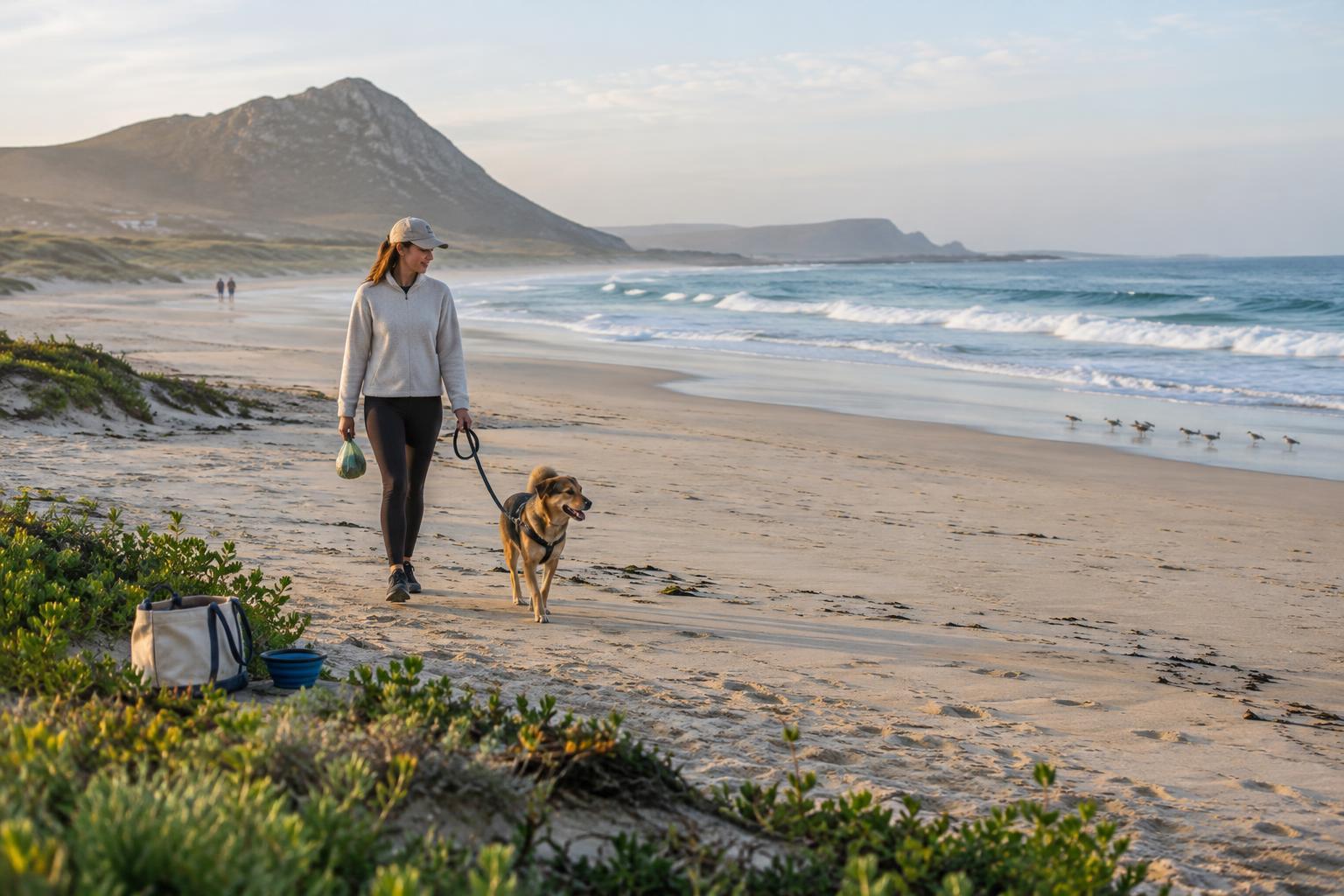
On open, soft sand, many people prefer bare feet once they have checked the surface. Sand can hide sharp shells, litter or other debris, though, so shoes are useful if visibility is poor. Simple sandals are easy to slip off and shake out, but loose slides can come off on a long or steep walk. Sandals with secure straps are often a better choice when you are carrying bags or walking with children.
The walk from the car or accommodation can feel very different from the beach itself. Paving, boardwalks and dry sand may become uncomfortably hot in strong sun. Keep footwear within reach rather than buried at the bottom of a bag, and make sure everyone in your group has a pair for the return walk. If you are planning a long stretch on foot, choose shoes you already know will not rub; a beach day is a poor time to test a new pair.
Pebbles, shells and rocky shores
Pebbles and coarse shells can be tiring under bare feet, especially when you are carrying a cooler or trying to keep your balance. A flexible shoe with a protective sole can make these stretches more comfortable. For a mainly dry route, lightweight walking shoes may be enough. If you expect frequent splashes, consider footwear designed to get wet and that stays securely on your feet. Check that its sole has enough structure for the stones you will cross.
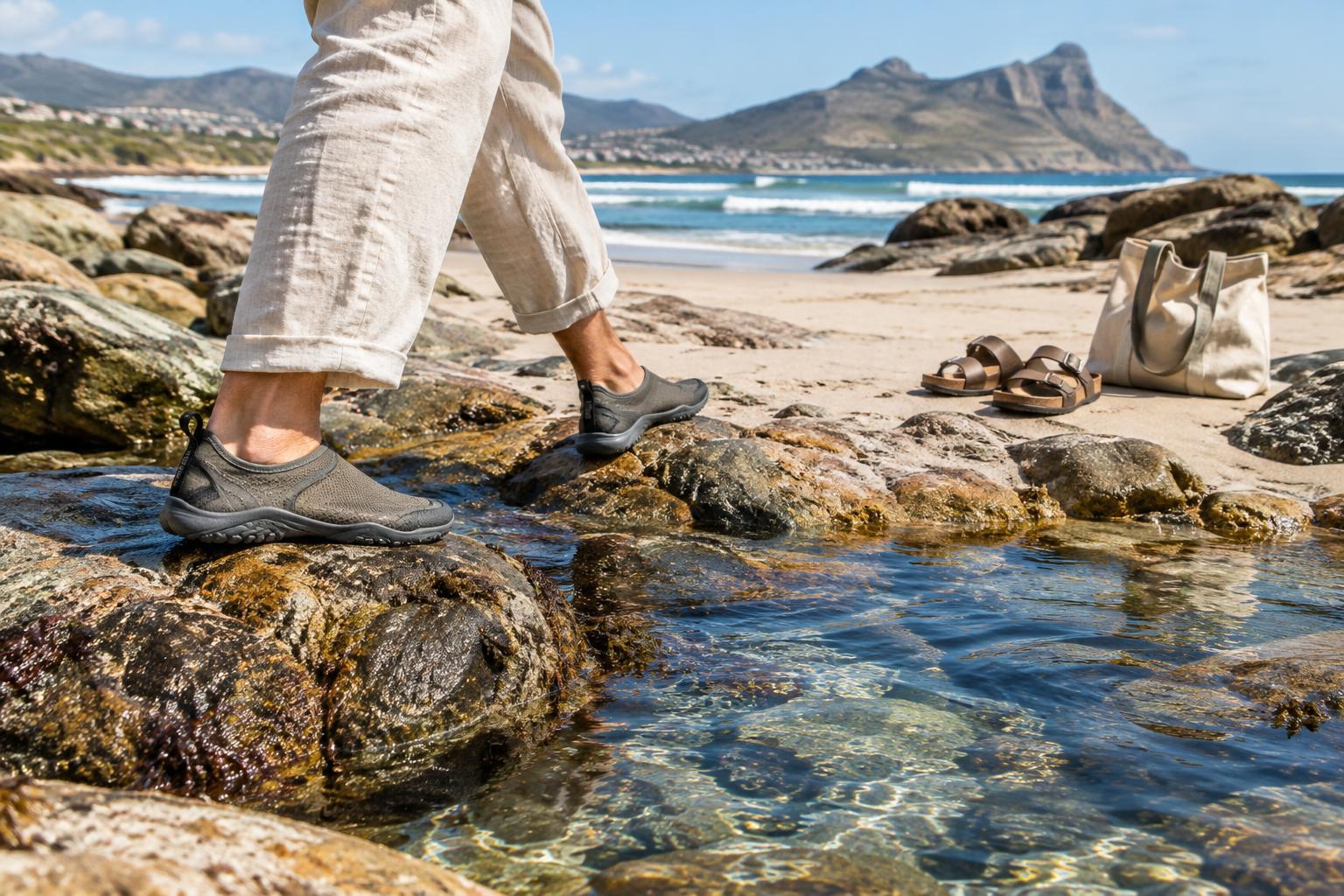
Rocks call for more care than sand. Smooth, wet surfaces and patches of algae can be slippery even in shoes marketed for water use. Good grip helps, but it does not make every crossing safe. Move slowly, keep your hands free where possible and avoid jumping between rocks. It is worth choosing a route you can retrace comfortably, rather than reaching an inviting spot that becomes difficult to leave as conditions change.
Tidal pools and the water’s edge
For tidal-pool exploring, footwear should protect the soles of your feet, fit snugly and drain or dry reasonably well. Loose flip-flops can float away or fold underfoot, making them awkward on uneven ground. Water shoes can be convenient, but try them on before the outing: grit trapped inside a poor fit may cause rubbing. Rinse and dry them after use, following the maker’s care guidance.
A pool that looks sheltered can still have uneven steps, sharp edges or waves reaching its outer wall. Check the conditions before entering and use any established access points rather than stepping across living or fragile areas. Watch where you place your feet around small creatures and plants, and leave shells, animals and other finds where they are. If the footing feels uncertain, enjoying the pool from a stable spot is a perfectly good plan.
Pack one spare option and make the change easy
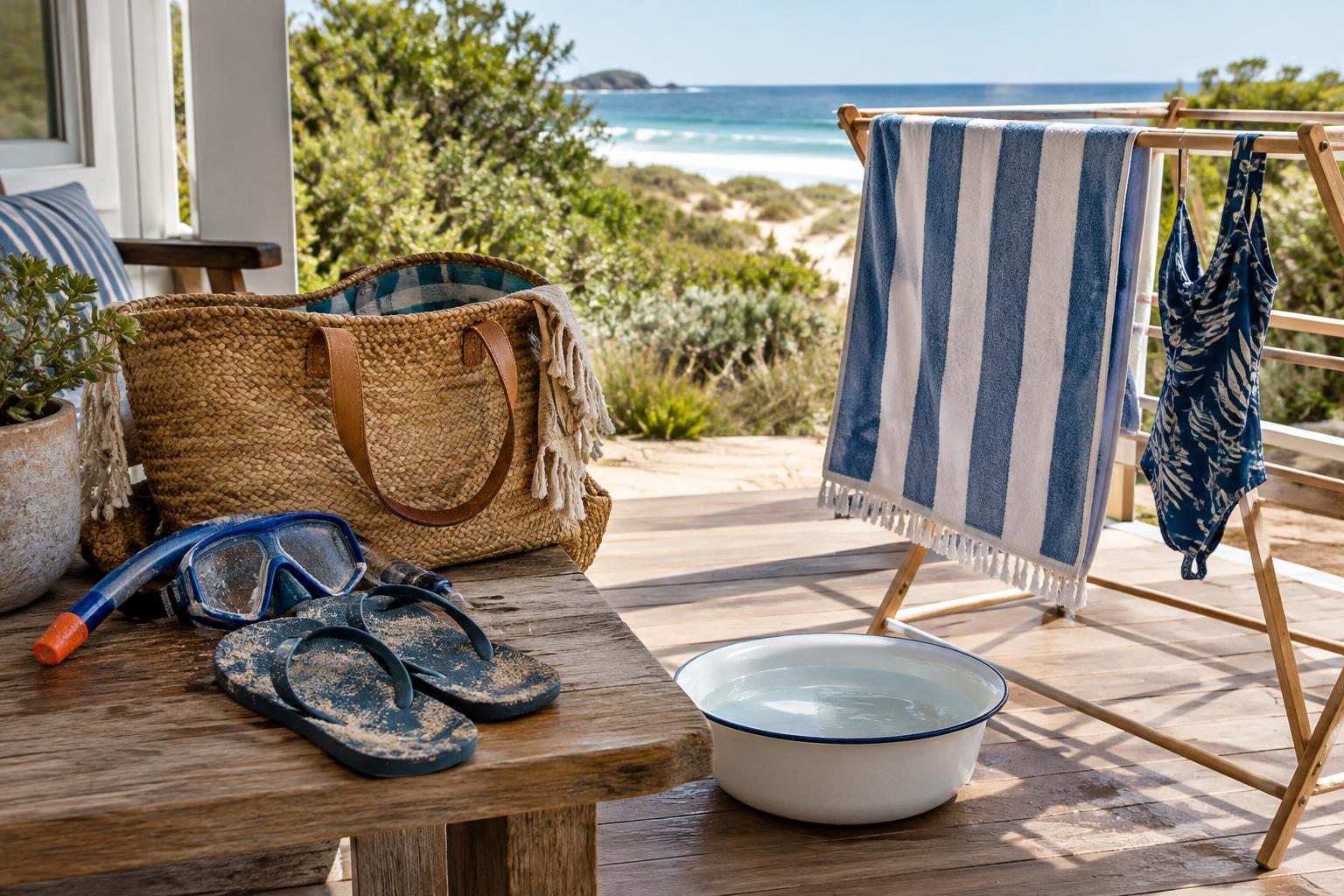
You rarely need a different pair of shoes for every surface. For a simple sandy outing, secure sandals may cover the walk in and out. For a day that includes rocks or tidal pools, bring suitable protective footwear as well, and leave space in your bag for the pair you are not wearing. A small towel helps dry feet before changing shoes; a separate bag keeps damp footwear away from clean clothes.
Before leaving, picture the full journey from your starting point to your chosen spot and back. Consider how far you will walk, whether you will cross rocks, and whether the return route may be hotter, wetter or windier. For unfamiliar beaches, check local access information and conditions close to your visit. Dressing for the least forgiving part of the route lets you relax once you arrive.