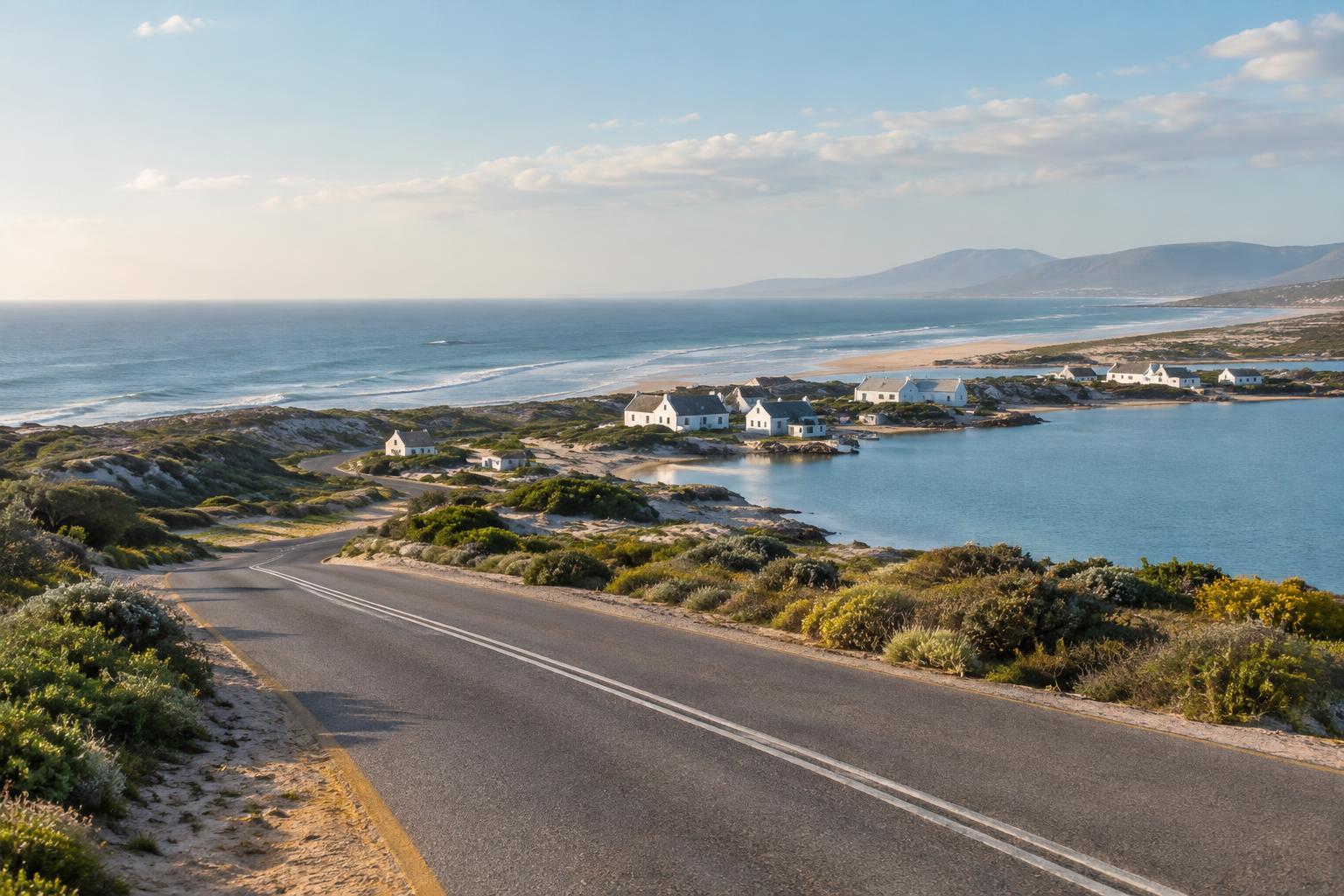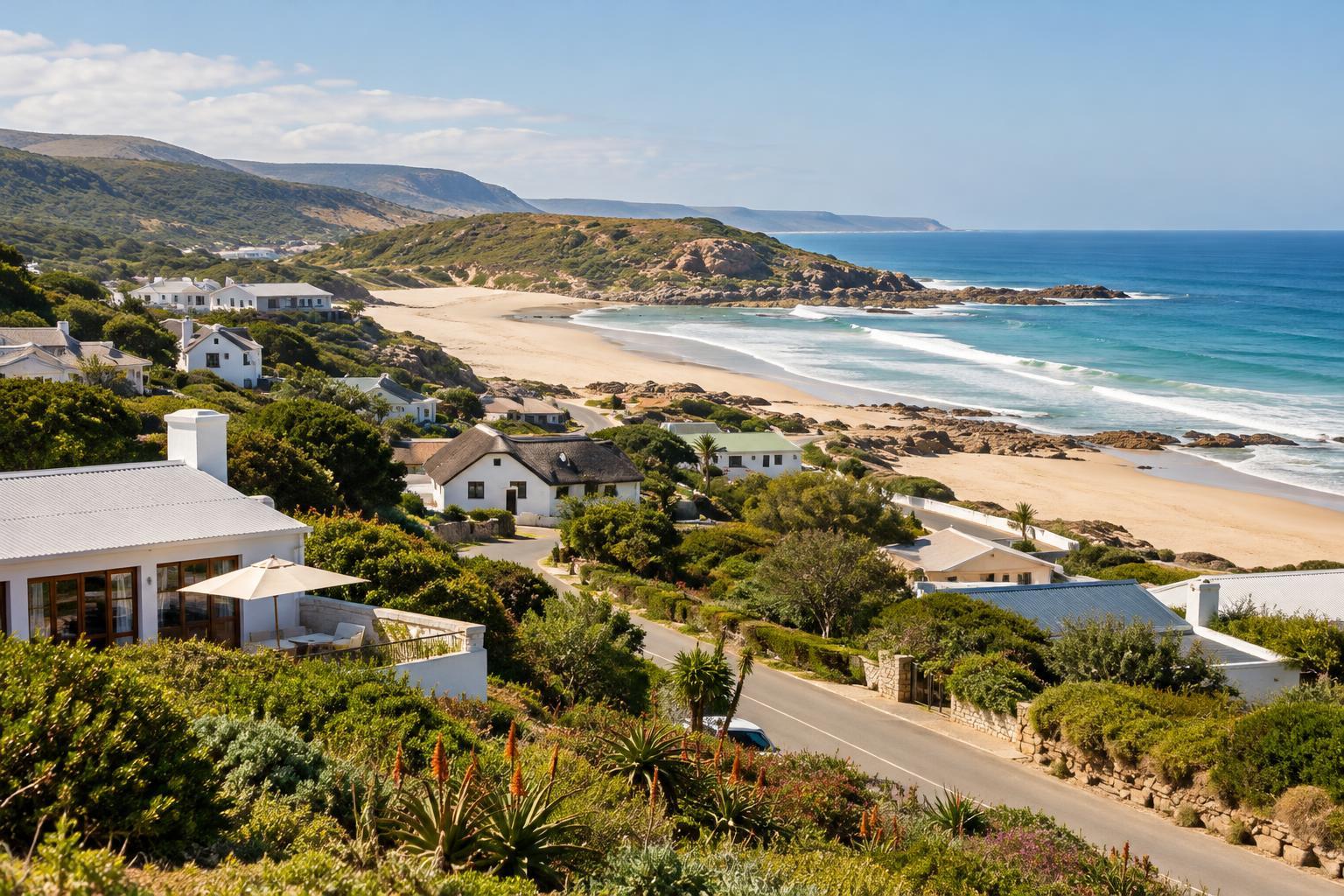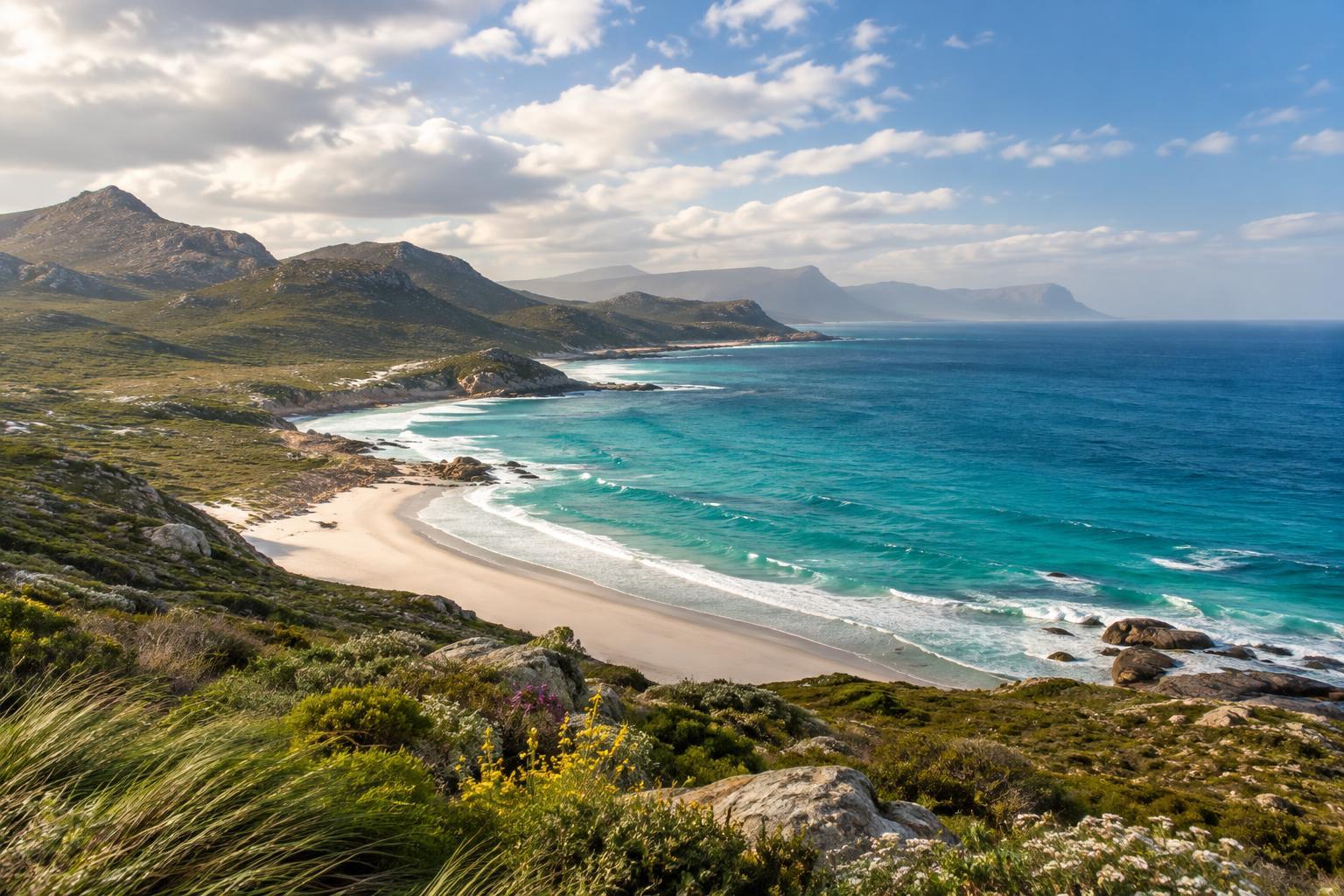
Start with the kind of coast you want
A good time to visit the South African coast depends on more than the month. The shoreline stretches from the cool Atlantic-facing west through the southern capes to the warmer Indian Ocean coast. A sunny forecast in one region says little about conditions in another, and wind, rain and sea temperature can matter as much as the air temperature.
As a starting point, summer runs from December to February, autumn from March to May, winter from June to August and spring from September to November. Summer suits long days outdoors but can bring busy holiday beaches. Autumn and spring can offer a more relaxed pace, though conditions may change quickly. Winter is not automatically a poor choice: it may be pleasant for walking, food-focused trips or a warmer-weather break farther east. Decide whether swimming, hiking, wildlife watching or quiet time matters most, then choose a region.
Western Cape and west coast: plan around sun, wind and cooler water
The Western Cape is often a natural choice for a summer trip. Around Cape Town and the Atlantic-facing beaches, warm, bright days can be excellent for coastal walks, picnics and exploring seaside neighbourhoods. Summer wind is common, however, and Atlantic water can feel cold even when the beach is hot. If a swim is central to your plans, check the conditions at your chosen beach rather than assuming warm weather means warm water.
Autumn can be appealing for a less hurried visit, with some settled days suitable for exploring. Winter generally brings a greater chance of rain to the southwestern Cape, so it works best with flexible outdoor plans and indoor alternatives. Along the west coast, late winter and spring may bring seasonal flowers after suitable rainfall, but the timing and display vary. Treat flowers as a possible highlight, not the sole reason to book a fixed itinerary.
Garden Route and Eastern Cape: leave room for changing conditions
The southern coast is well suited to travellers who want variety rather than a single beach base. A trip through the Garden Route can combine shoreline stops with forests, lagoons and short walks. Summer gives you more daylight for those activities, while autumn and spring can be comfortable choices if you prefer a quieter road trip. Rain and wind are possible in any season, so avoid building an itinerary in which every day depends on perfect beach weather.
Farther east, the Eastern Cape offers a mix of developed seaside towns and more remote-feeling stretches. The right season depends on whether you hope to spend hours on the sand, walk exposed coastal paths or simply enjoy the scenery. In warmer months, plan active outings for comfortable parts of the day and carry water and sun protection. In cooler months, pack layers for mornings, evenings and windy viewpoints. Whatever the season, allow enough time between stops to enjoy a place rather than racing to the next beach.
KwaZulu-Natal: consider humidity as well as warmth
KwaZulu-Natal can be attractive when a warm-feeling coast is the priority. Summer tends to be hot and humid, with the possibility of showers or thunderstorms. That can still make for a rewarding beach holiday, especially if you are comfortable starting early, taking a midday break and keeping a backup plan for wet weather. Popular beaches may feel particularly lively during holiday periods.
Winter is often a useful option for travellers who prefer milder daytime conditions. Sea and air temperatures differ by location and from day to day, so check a local forecast close to departure if swimming is important to you. Spring and autumn can provide a middle ground, but neither guarantees calm seas or dry skies. For nature-focused trips, find out when a particular experience is normally possible, then leave space in your plans for conditions outside your control.
Turn a season into a workable itinerary
Choose one main priority and one fallback activity for each stop. A summer beach trip might pair swimming with a shaded food market or a scenic drive; a winter walking trip might include a museum, café or unhurried lunch for rainy hours. Staying in fewer places gives you more chances to enjoy a good-weather window without constantly changing plans.
Before setting out, check local weather and sea forecasts, beach safety information, and any access rules for reserves, trails or swimming areas. Conditions can change quickly, and an inviting beach is not necessarily safe for swimming. Also confirm accommodation, transport and venue details when you book. The most satisfying season is often the one that fits your preferred activities and leaves enough flexibility to enjoy the coast as you find it.