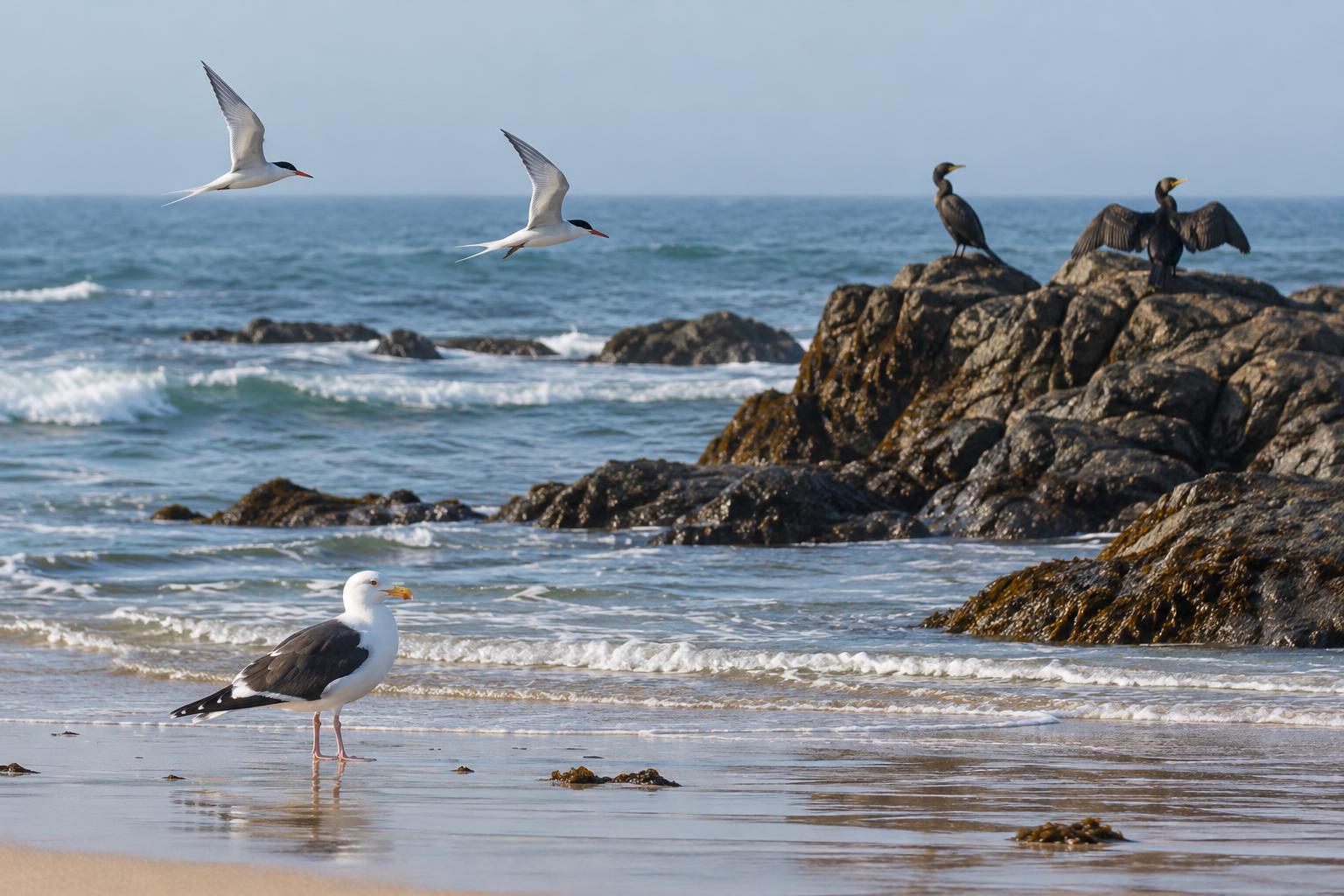
A journey timed to two hemispheres
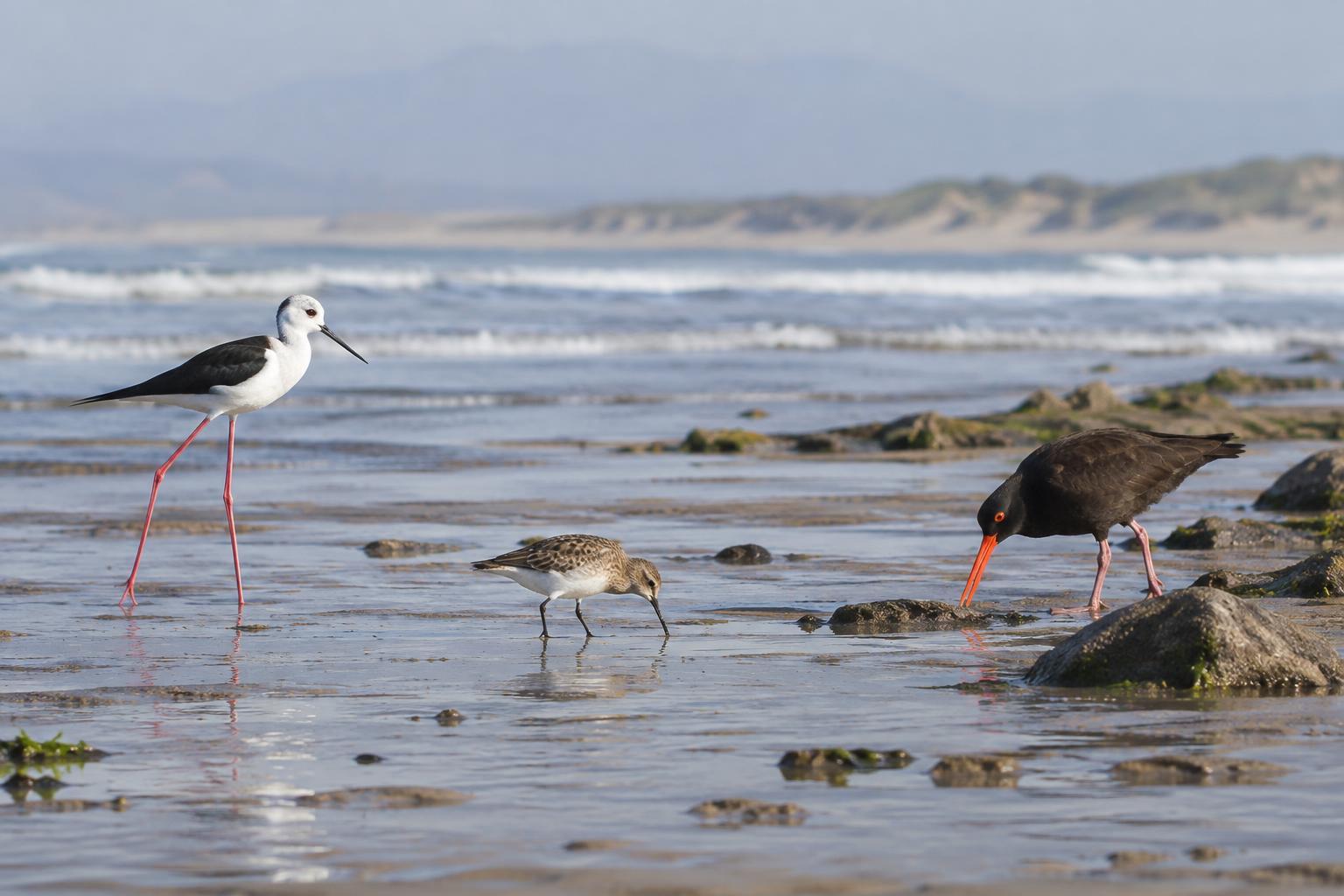
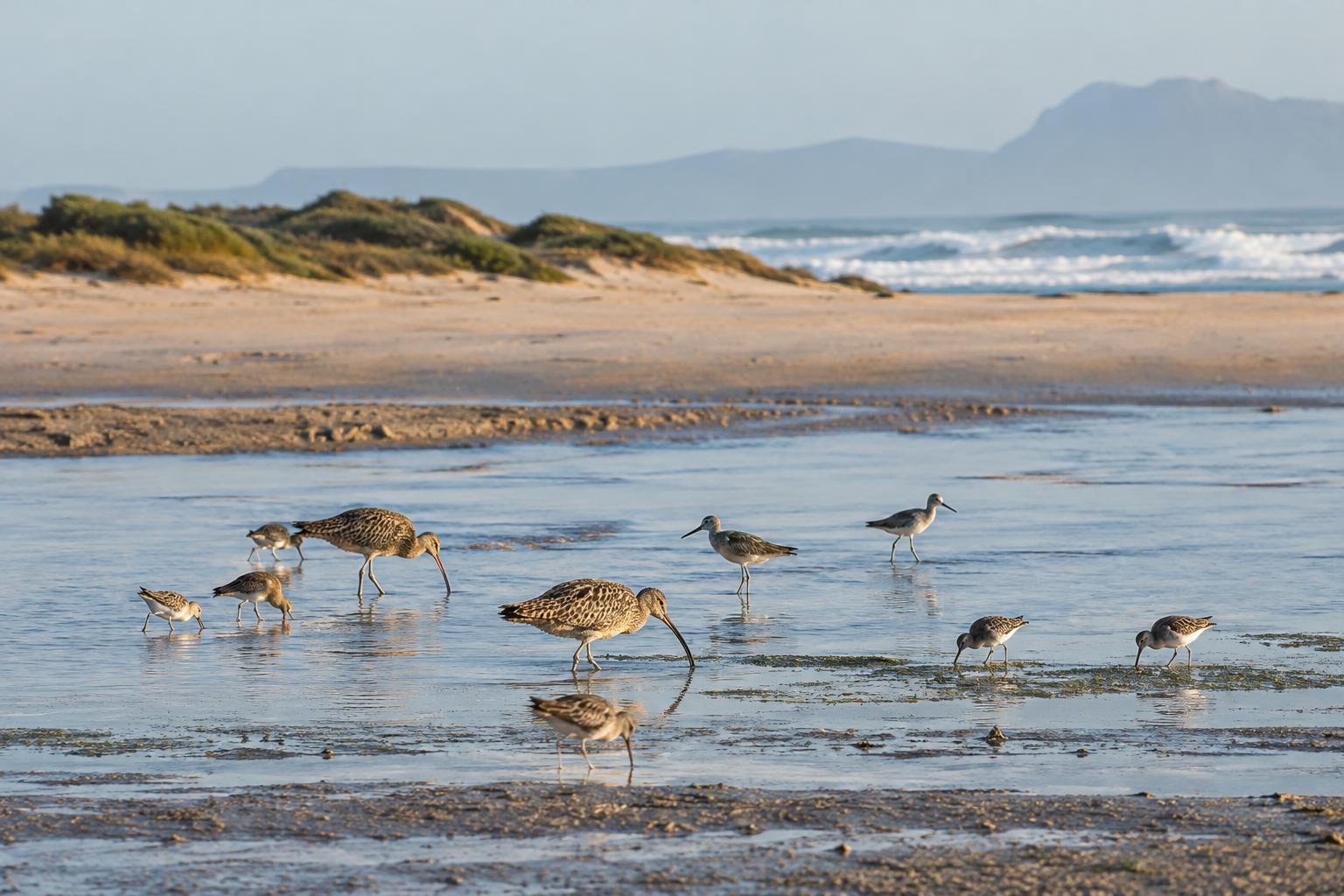
A shorebird seen probing the wet sand on a South African beach may have travelled an extraordinary distance to get there. Many migratory waders, including species of sandpiper and plover, breed in the Northern Hemisphere. They use its spring and summer to raise young, when long daylight hours and seasonal food help support breeding. As that season ends, they travel south to spend their nonbreeding months in places that include South Africa’s coast.
That is why visitors from the north are often associated with South Africa’s spring and summer. Their return journey generally begins as the Northern Hemisphere’s breeding season approaches. Arrival and departure are not single events, though: timing varies by species and individual, and birds may pause at feeding sites along the way. A beach can seem quiet one week and busy another without anything unusual having happened.
Why the coast makes a useful stop
Shorebirds need places to feed and rest throughout their journeys, not just at the two ends. Estuaries, tidal flats, lagoons and open beaches offer different kinds of foraging ground. At low tide, exposed mud or sand can give birds access to small animals beneath the surface; as water rises, they may move to a higher, quieter place to rest. Conditions at a stopover can matter because a bird needs enough energy to continue travelling.
The coastline does not offer the same conditions everywhere or all year. Rainfall can change water levels and salinity in estuaries, while waves and shifting sand reshape beach edges. These changes can affect where food is accessible and where birds can settle. A visitor looking for shorebirds will often learn more by checking several nearby habitats than by returning to one stretch of sand at the same hour each day.
Not every seasonal change is a long migration
A changing bird list does not mean every bird has crossed an ocean. South Africa’s shorelines also support resident species, such as the African oystercatcher, alongside birds that move shorter distances or shift between coastal and inland habitats. Some movements follow breeding opportunities or changing water conditions rather than the north-to-south pattern of long-distance migrants. Juvenile birds may also be present at times when many adults of their species have gone elsewhere.
This mix makes a simple “migrant season” only a starting point. A northern visitor might be most noticeable during the southern summer, yet a resident bird may be visible through much of the year. The balance can differ between a sheltered estuary and an exposed beach, and between stretches of coast. Even within one site, the tide may determine whether birds are feeding in clear view or resting farther away.
How to notice the pattern without disturbing it
For a relaxed birdwatching outing, start with an estuary edge, lagoon viewpoint or broad beach where you can watch from a distance. Note the month, tide and habitat as well as the birds you see. Repeat visits can reveal a pattern: which birds appear during the southern summer, which remain through winter, and where flocks gather when feeding ground is covered by water. A field guide can help with identification, especially when plumage changes between breeding and nonbreeding seasons.
Give feeding and resting birds plenty of space. If a flock walks away, calls repeatedly or takes flight as you approach, step back and choose another viewpoint. Keep dogs under close control where they are permitted, and avoid walking through roosting groups. Shorebirds’ schedules are demanding enough without repeated interruptions; watching quietly is often the best way to see how they use the coast.