A coastal menu follows the catch
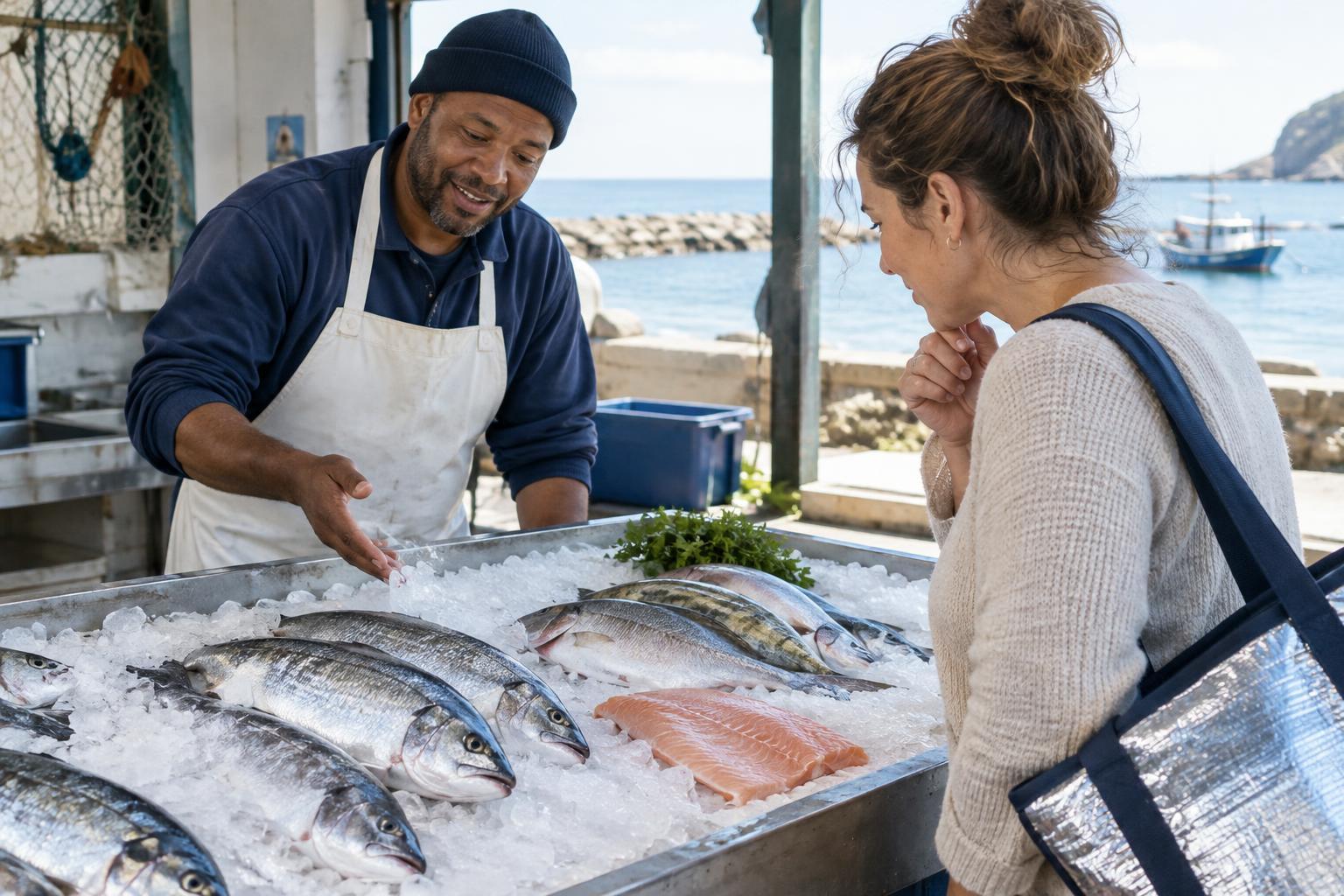
At a seaside restaurant or fish counter, it is tempting to think of seafood as a fixed list: the same fish, prawns and shellfish available whenever you visit. In practice, a menu reflects what can be caught or sourced, brought ashore, transported and prepared at that time. Along South Africa’s varied coastline, the answer can differ from one place to the next. Even a familiar favourite may be absent on one visit and back on another.
That does not necessarily signal a problem with the kitchen. A shorter list can mean a business is working with the supply available rather than promising a dish it cannot reliably serve. Understanding the main reasons for those changes makes it easier to enjoy local food without expecting every menu to stay the same.
Seasons change what is available
Marine life does not follow a restaurant calendar. Species move, feed and reproduce in different patterns, and those patterns can affect where and when fishers encounter them. Conditions also vary along the coast, so a species associated with one area may not be an everyday option elsewhere. An ingredient described as seasonal may be plentiful for a while, scarce later, or supplied from farther away rather than landed nearby.
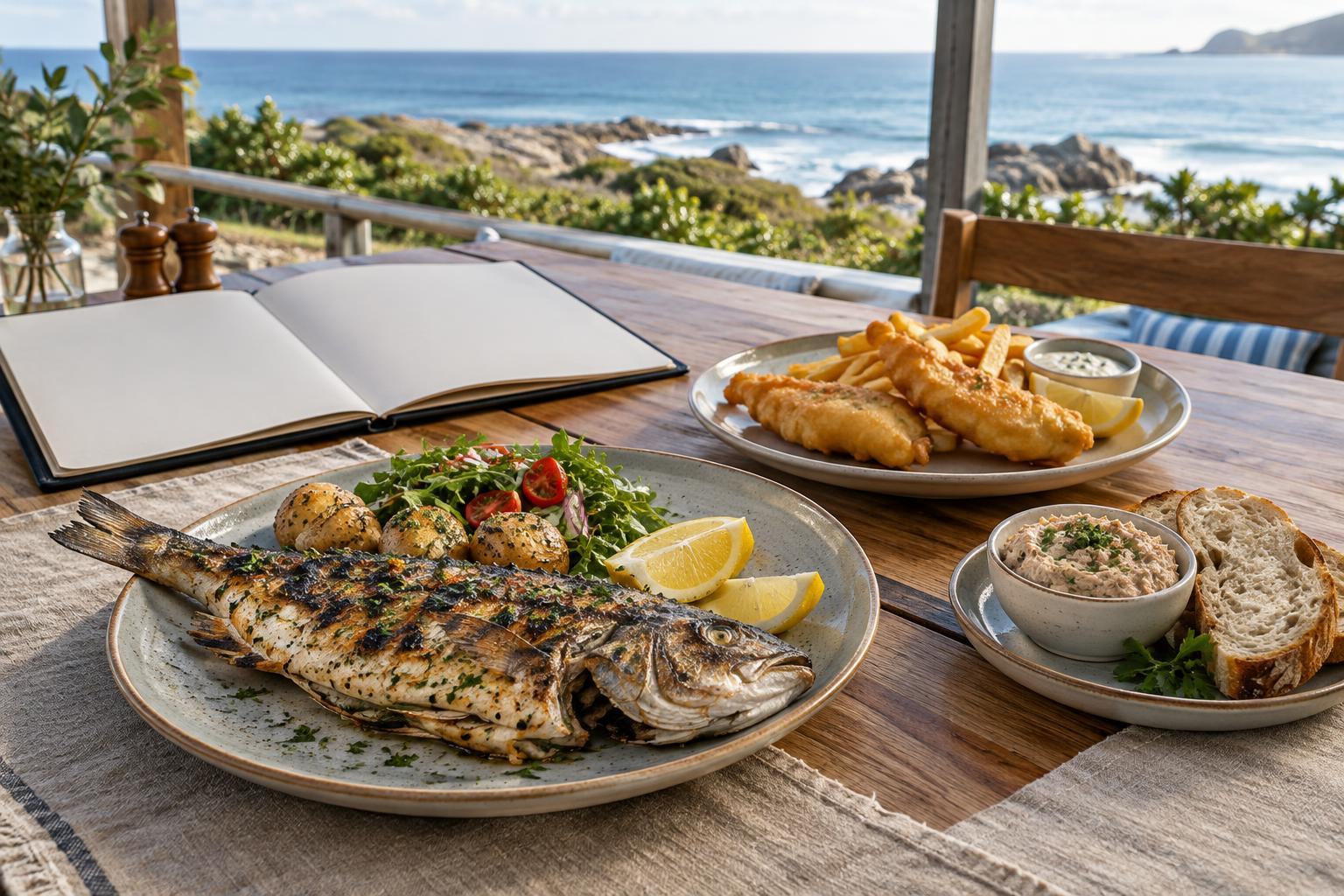
Seasonal availability is not always predictable from the month alone. Water conditions and the type of fishing operation matter too. If eating something local is part of your trip, ask what has come in recently instead of planning a meal around a single species. A cook may be able to suggest a preparation you would enjoy—grilled, curried or served in a simple fish-and-chips meal—even when the fish itself changes.
Weather affects both the catch and the journey to the plate
Rough seas, strong winds and heavy swell can keep smaller vessels in harbour or make fishing difficult. Bad weather may also delay unloading, road transport and deliveries. That means a restaurant can run short even when a species is generally available at that time of year. A calm, sunny afternoon on the beach does not tell you what conditions were like offshore when fishers would have needed to go out.
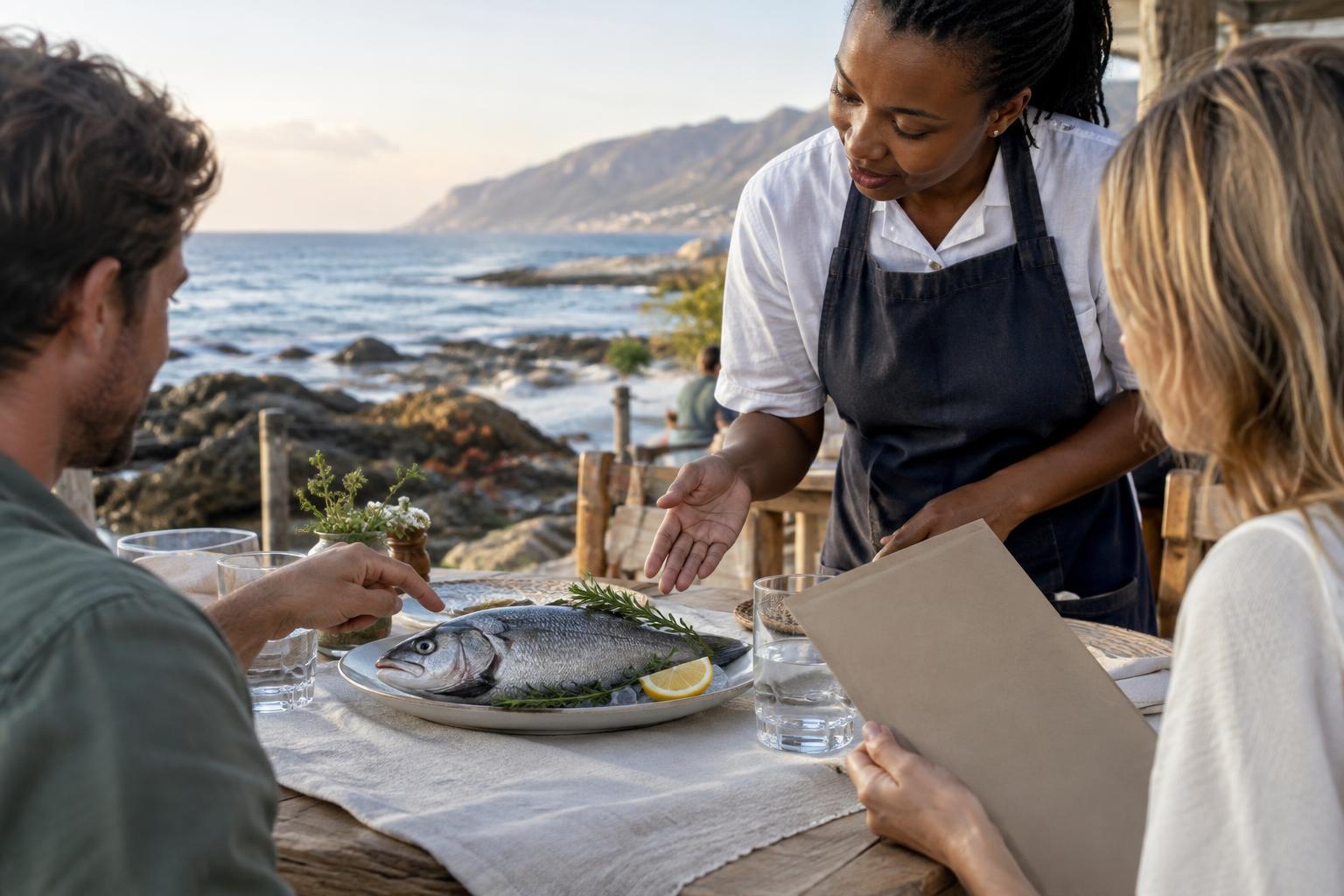
Seafood is particularly sensitive to handling and storage, so a responsible seller may offer fewer choices rather than stretch a supply beyond what they can keep in good condition. For visitors, flexibility is useful: check the day’s board, ask what the kitchen recommends, and be open to a non-seafood special. A coastal meal is still a local experience when the sea has made other plans.
Fishing rules put limits on supply
Fishing rules are another reason a particular catch may disappear from a menu or market stall. Depending on the species and activity, rules can govern who may fish, where fishing is allowed, when it can happen, and what may be kept. Closures and limits are intended to protect marine resources and support their continued use. They are not the same for every species or stretch of coast, and requirements can change.
It is worth distinguishing a legal restriction from an ordinary supply gap: an item might be absent because it cannot be taken at that time, because weather prevented a trip, or simply because none was landed. Diners do not need to know every rule to ask useful questions. A seller should be able to tell you what the seafood is and offer a reasonable account of where it came from. If an answer is vague or the offer seems questionable, choosing something else is a straightforward option.
How to choose well when the menu changes
Start with the name of the seafood, not just a broad label such as “line fish.” Ask whether it is locally landed, sourced from another region or farmed, and which preparations suit it. “Local” can describe where a dish is cooked rather than where its ingredients originated, so a little curiosity helps. If you are buying to cook at home, ask about storage and preparation as well as origin, and keep the seafood chilled until you are ready to use it.
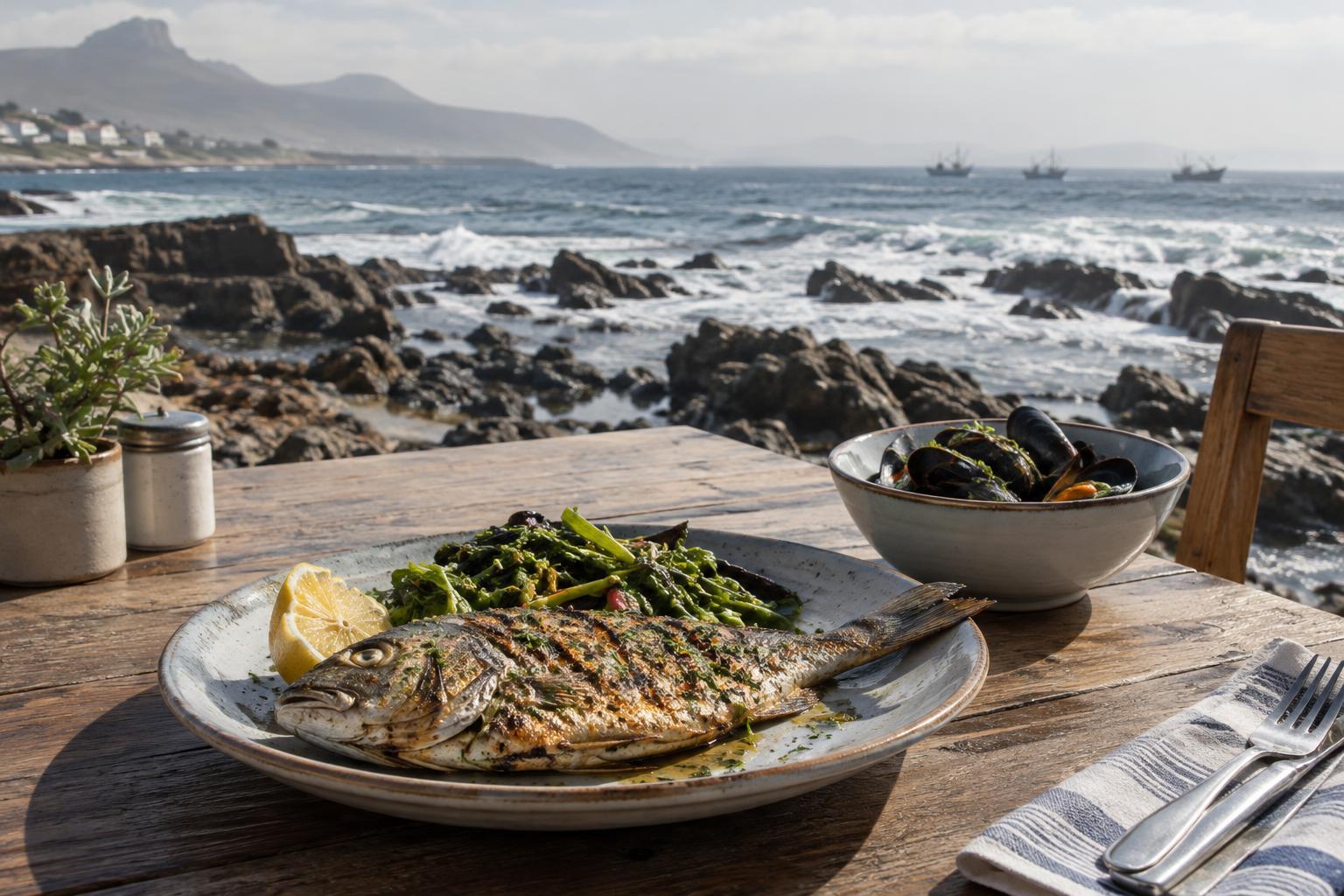
A flexible order can be one of the pleasures of eating on the coast. Try the day’s suitable catch, enjoy a locally made side dish, or choose another meal when seafood options are limited. For anyone planning to catch or collect seafood personally, check the current rules for the exact species, location and activity before going out; a restaurant’s menu is not a guide to recreational fishing permissions. Availability will keep changing, but thoughtful questions and an adaptable appetite make those changes easier to navigate.