More than one kind of shark
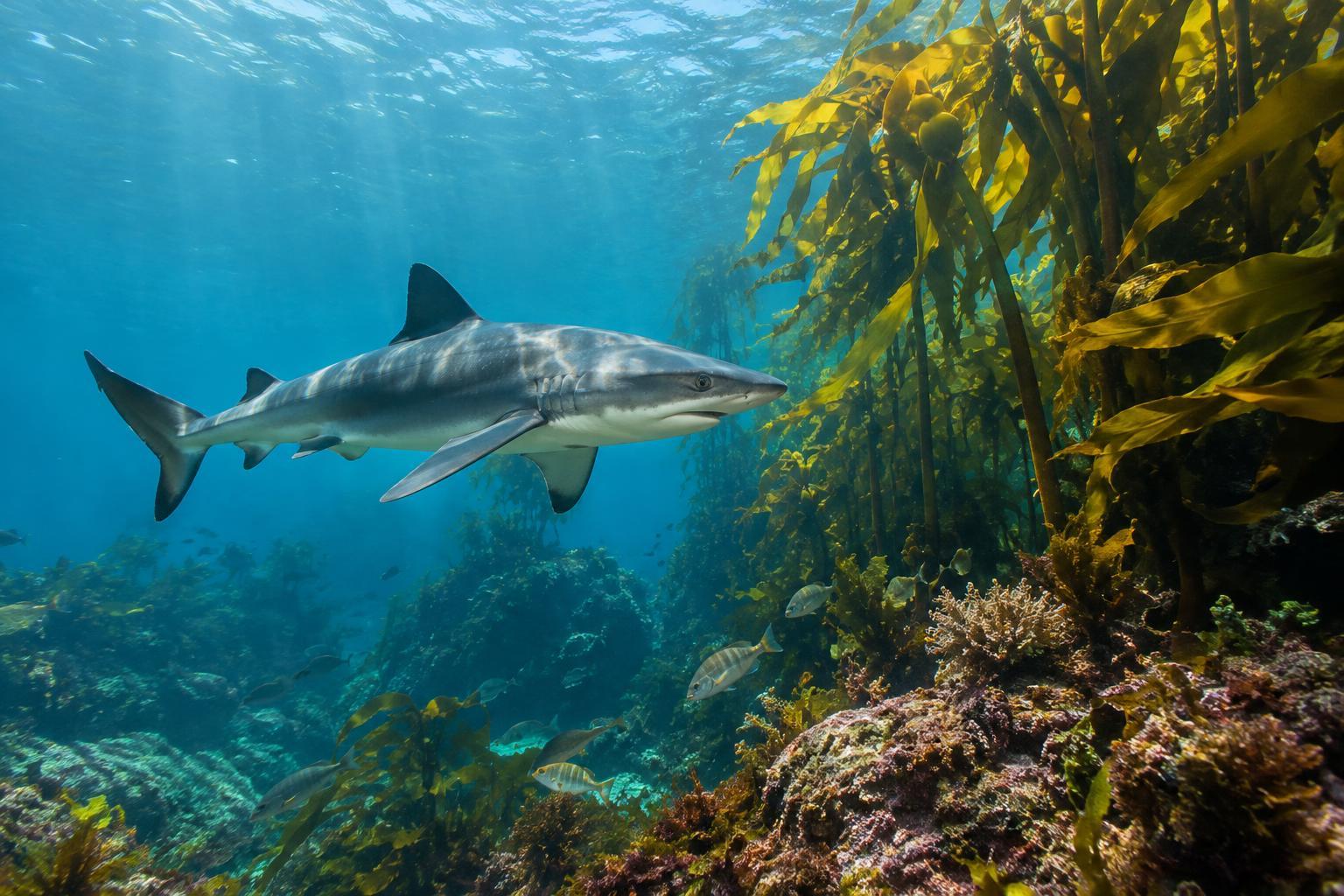
It is tempting to speak of “the shark” as though every species lives and feeds in the same way. South Africa’s coast is home to sharks of different sizes, habitats and diets. Some travel through open water; others spend much of their time near reefs or the seafloor. They may eat fish, squid, crustaceans or other marine animals. That variety matters because sharks do not have a single, interchangeable job in the sea.
A large predator can influence the animals it hunts, while a smaller shark may be both hunter and prey. Some species move between habitats as they grow, linking coastal areas that can look separate from the shore. Thinking about sharks as a diverse group helps explain why protecting one species cannot necessarily make up for the loss of another.
Their place in the food web
Sharks are part of marine food webs: the many connections between animals and what they eat. By feeding on other species, they can affect prey numbers and, in some circumstances, where prey spend their time. Those effects may extend beyond a single predator-prey encounter. For example, a change in where smaller animals feed could influence the creatures they eat in turn.
These relationships are not simple rules that work identically everywhere. A shark’s influence depends on its species, the available prey and the surrounding habitat. It would be misleading to claim that removing any shark automatically produces the same chain reaction. The sounder point is that sharks are participants in coastal ecosystems, not visitors that can be considered apart from everything else living there.
Connected habitats along the coast
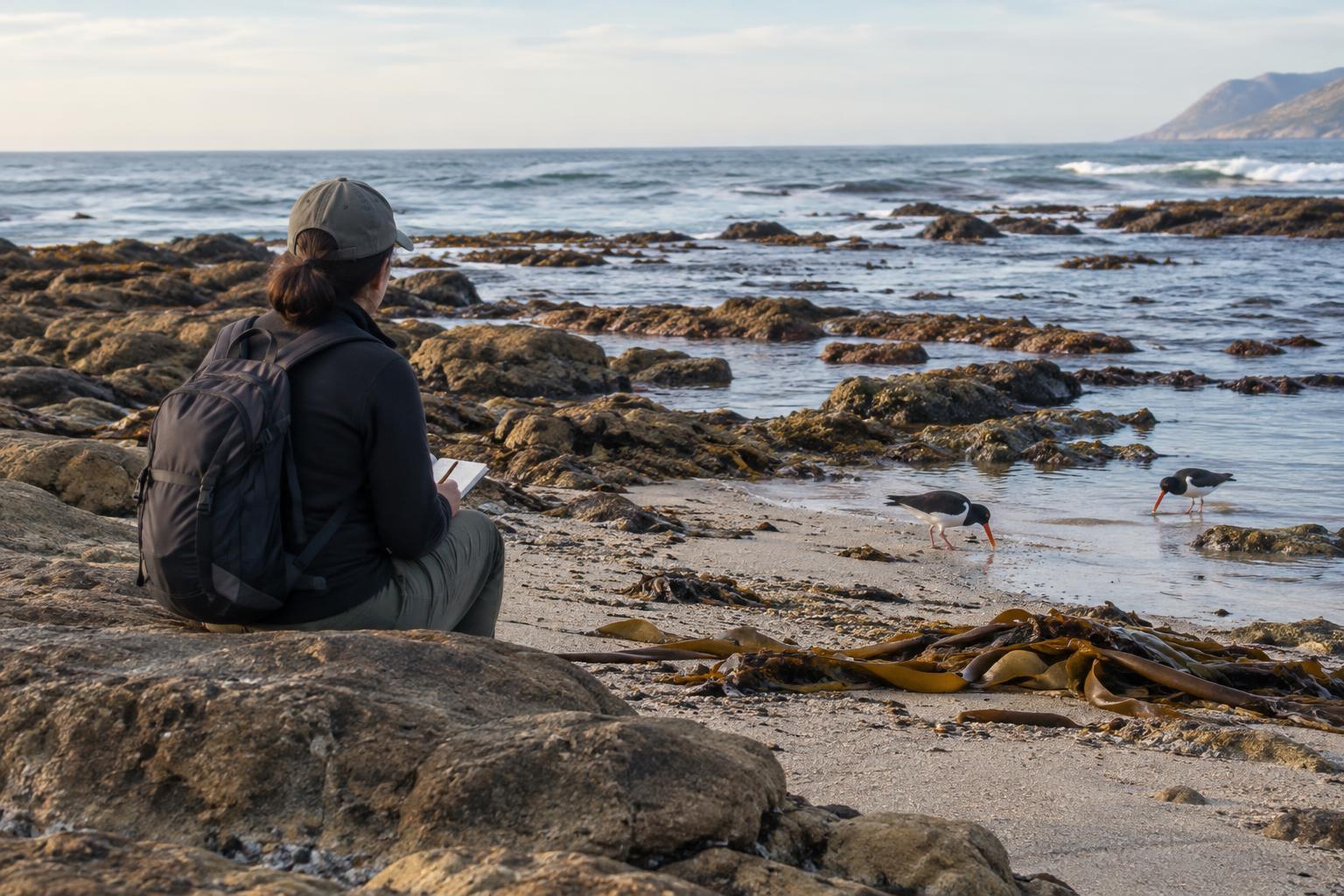
South Africa’s shoreline includes estuaries, sandy seabeds, rocky reefs, kelp forests and waters farther offshore. Each offers different shelter and food. A young shark may use a sheltered coastal area that would not suit an adult in the same way. Other species may pass through several environments while searching for food or suitable conditions. Healthy connections between habitats can therefore matter as much as the condition of any one place.
This is one reason coastal care cannot stop at the water’s edge. Damage to an estuary, discarded fishing gear or poorly managed waste can affect marine life beyond the immediate spot where the problem is visible. Sharks also face pressures from fishing, including accidental capture, although the risks vary by species and location. Understanding those differences is more useful than treating every shark or every stretch of coast alike.
Replacing fear with perspective
Sharks deserve respect, and coastal safety should always be taken seriously. But a dramatic image of a shark tells us little about its ordinary life: finding food, avoiding danger and moving through its habitat. Watching the sea with curiosity rather than assuming every fin signals a threat makes room to appreciate a fuller range of marine wildlife.
For a beach day, follow local safety guidance and any posted warnings. Conditions and advice can change, so check the information available at the beach rather than relying on a general rule or an old account. Keep a sensible distance from wildlife, whether you are swimming, paddling or on a boat. Giving animals space protects both people and the chance to observe natural behaviour.
Small choices that support a living coastline
No single beach visitor can manage a marine ecosystem, but everyday choices can reduce avoidable harm. Take litter home, secure loose items before the wind carries them away, and leave fishing line or hooks out of the sand and water. If you fish, learn the rules that apply to your location and handle any animal you release with care. If you book a wildlife outing, ask how the operator keeps a respectful distance and follows local requirements.
Sharks matter not because every species performs the same task, but because each is part of a network shaped by habitat, prey and other marine life. South Africa’s coast is richer when there is space for that variety to persist. Looking beyond the familiar silhouette of a fin is a good first step toward understanding what is at stake beneath the surface.